Cars that keep physical buttons for better ergonomics
 © Dasha Sysoeva
Explore cars like Mazda CX-50 and Mercedes G550 that balance touchscreens with physical controls for safer, more intuitive driving.
Author: Polina Kotikova
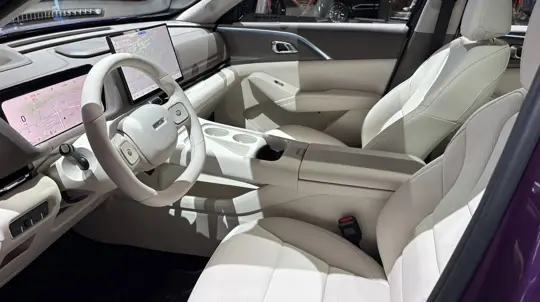
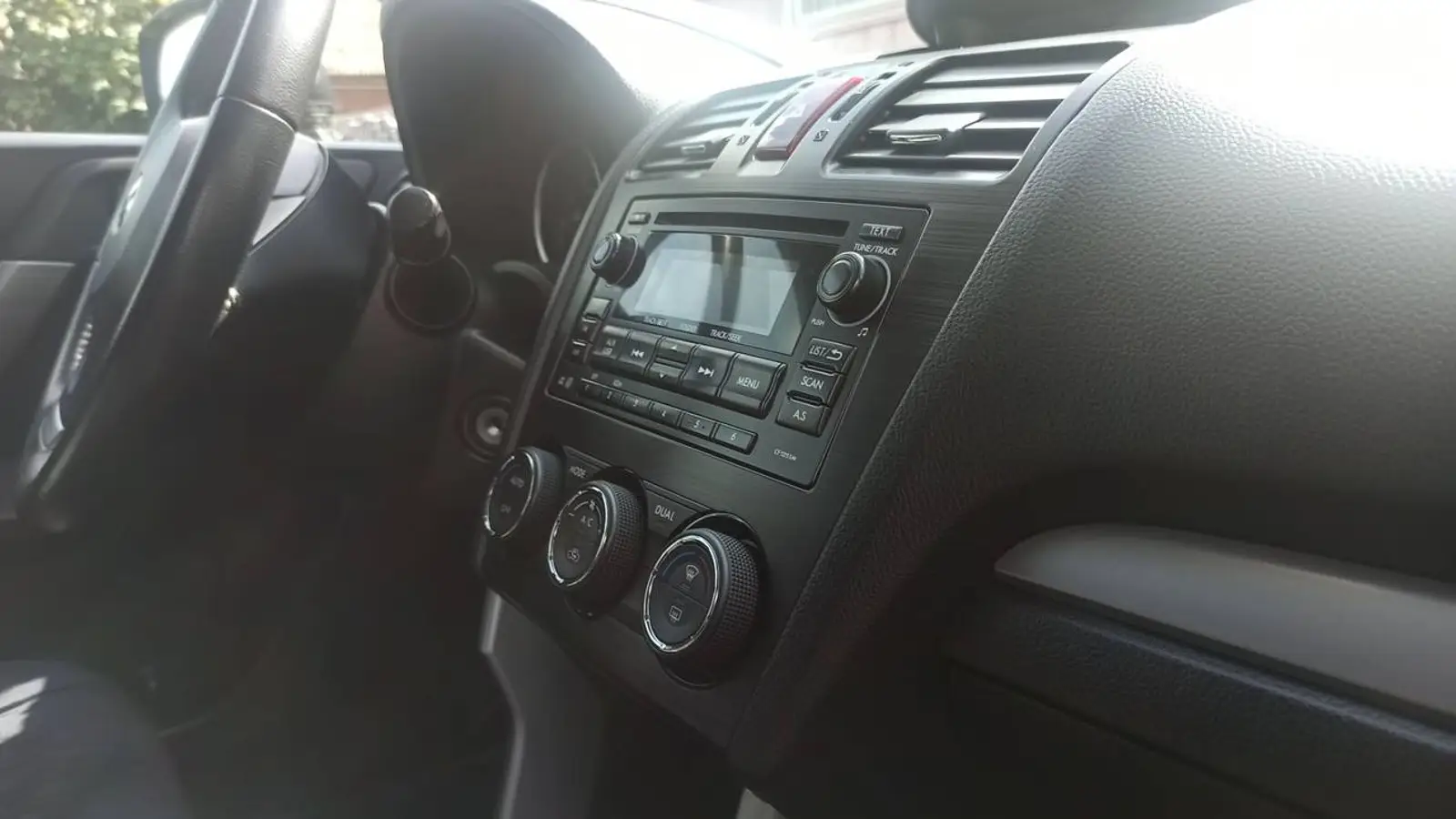
Touchscreens in cars have become almost a mandatory feature in modern interiors. Manufacturers promise high-tech appeal, minimalism, and a 'digital experience,' but in practice, they increasingly face driver frustration. Adjusting temperature through submenus, glossy panels covered in fingerprints, and interface delays—all of this distracts from the road and makes controls less intuitive.
The paradox is that screens themselves aren't the problem. The issue arises when they completely replace physical controls. Fortunately, there are still models on the market where engineers have struck a balance between technology and ergonomics.
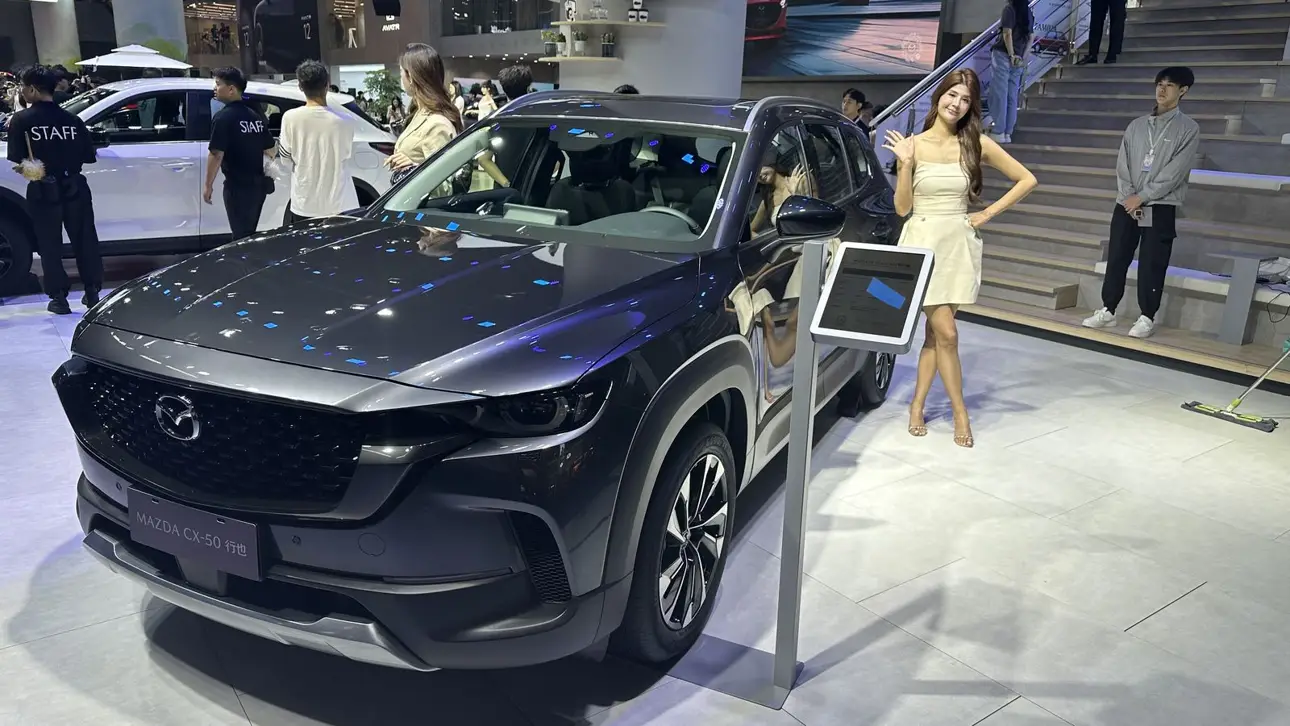
Mazda CX-50 is a prime example of this approach. The car features a multimedia screen, but operation centers around a proprietary rotary controller on the center console. While driving, the touch function is effectively disabled, reducing the temptation to reach for the display. The screen is positioned deeper, closer to the windshield, and doesn't dominate the interior. Climate control and key functions have physical buttons and knobs. As a result, drivers rely on muscle memory rather than visual searches for icons.
Mercedes-Benz G550 represents a different philosophy but follows the same principle. Despite two large 12.3-inch displays, control is handled via a touchpad and buttons, with the screen itself not accepting touch input. Climate is adjusted with real buttons, volume with an actual knob, and differential locks are separate physical switches. In an era of total digitalization, this SUV remains surprisingly 'mechanical' in feel.
Honda Civic proves that thoughtful ergonomics aren't limited to premium segments. The current generation includes a screen, but it doesn't replace basic functions. Large climate control knobs, clear seat heater buttons, and logically placed steering wheel controls make daily use straightforward. The interior isn't overloaded with digital elements, so drivers don't need time to adapt or learn an interface.
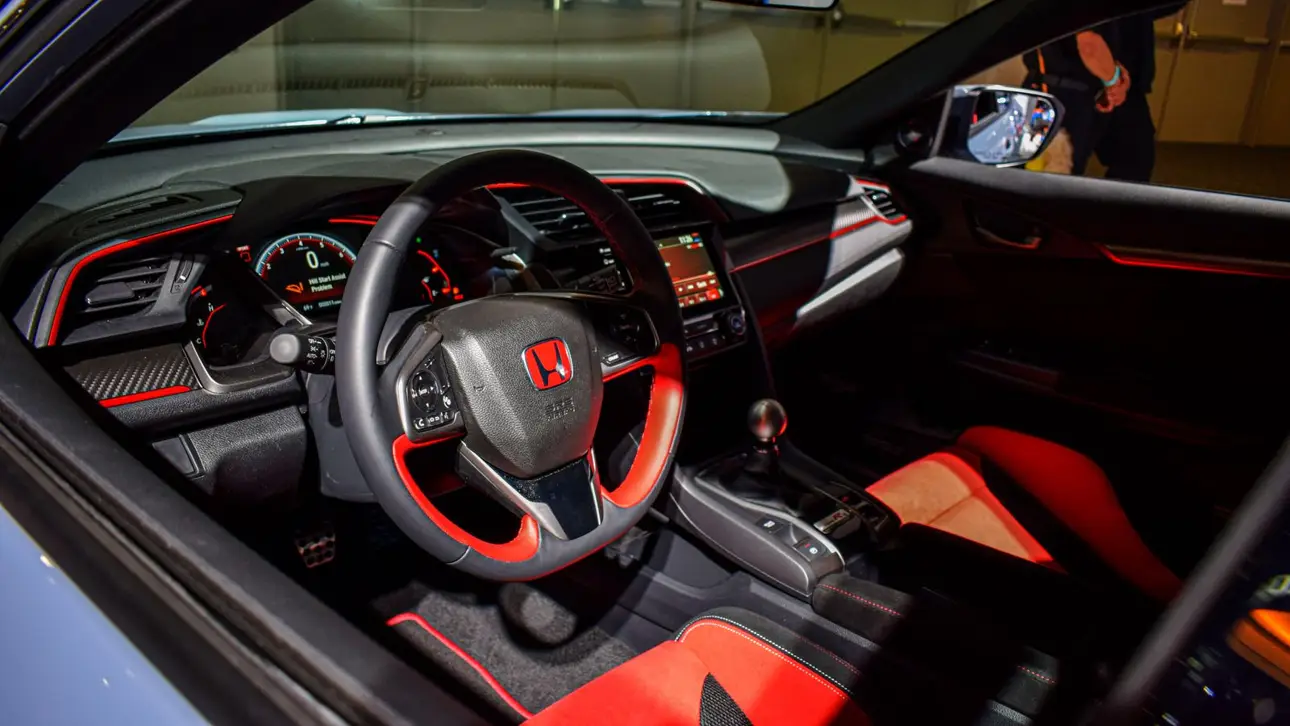
The Nissan Frontier pickup truck focuses on practicality. Its center console is built around large physical buttons and hefty controls, easy to use even with gloves. Climate management is fully mechanical, and the multimedia system is supplemented with separate quick-access keys. This approach is especially valued by those who use their vehicles off-road and don't want to be distracted by complex interface graphics.
Ford Maverick shows how an affordable car can be ergonomic. Despite a modern SYNC system with a large screen, core audio and climate functions are managed with traditional controls. The panel is intuitive, and element placement requires no learning curve. This is a case where technology doesn't overwhelm convenience.
These models share a common trait: respect for the driver. They offer modern safety systems, smartphone support, and up-to-date electronics, but they don't turn basic actions into menu quests. Physical buttons allow adjustments to temperature, volume, or heating without taking eyes off the road.
The trend toward digitalization is unlikely to slow, yet demand for thoughtful ergonomics persists. These cars demonstrate that the market can still offer an alternative to the total dominance of touch panels. For those who value tactile feedback and intuitive control, this is a strong argument when choosing a vehicle.
This English edition was prepared using AI translation under editorial oversight by SpeedMe. The original reporting is by Polina Kotikova
Latest Stories