Volvo's major software update improves interface and features
 © volvocars.com
Volvo Cars rolls out its biggest over-the-air update, simplifying menus and adding features like Google Gemini prep for 2.5 million cars globally. Learn more.
Author: Diana Degtyareva
Volvo Cars has announced its largest over-the-air software update to date. The new Volvo Car UX interface will be installed on approximately 2.5 million vehicles across 85 countries.
The update is available for models with Google built-in, produced from 2020 onward. This includes the C40, XC40, EX40, EC40, S60, V60, V60 Cross Country, XC60, S90, V90, V90 Cross Country, and XC90, all based on Android Automotive OS.
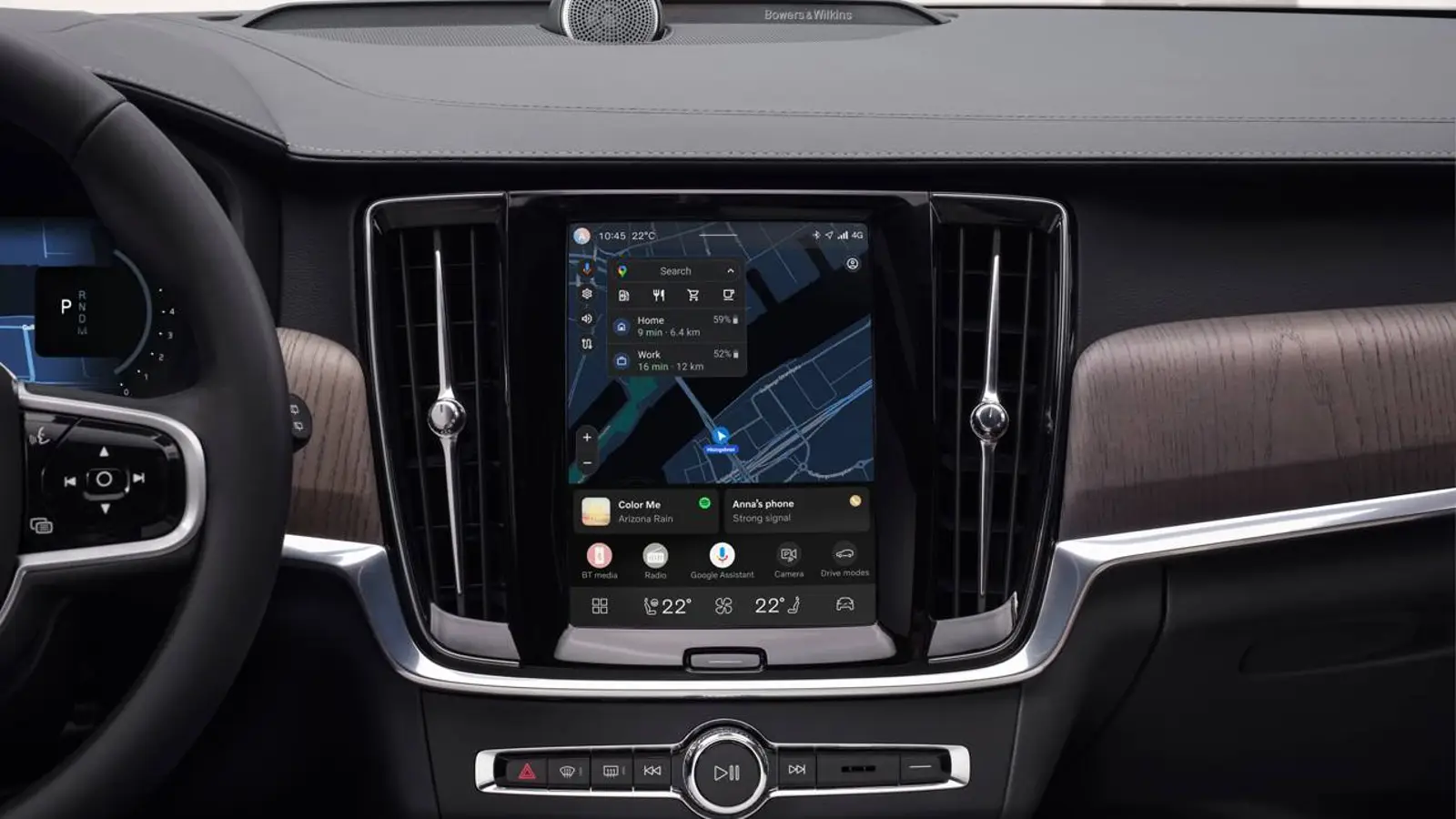
The main change, as noted by SPEEDME journalists, is a redesigned user interface for the central display. Volvo has simplified the menu structure, reduced the number of taps needed to access key functions, and placed the most-used apps—navigation, media, and phone—on the home screen. Now, for example, switching music while using Google Maps no longer requires exiting the navigation app.
A contextual panel has been added that adapts to the situation. When driving at low speeds, an icon for the 360-degree cameras automatically appears, making maneuvering easier.
For plug-in hybrid owners, faster activation of Pure mode via the home screen is now available—switching to fully electric mode is just one tap away. The update also prepares vehicles for integration with Google Gemini, the next-generation voice assistant expected to launch in spring.
Additionally, Volvo is opening the option to purchase and download the Pilot Assist function for Google built-in cars where this driver-assistance system was not previously activated. The update is expected to be available on Volvo models in Russia, but it will be useless there—buying any functional add-ons won't be possible, and Google Gemini remains blocked in the country.
This extensive OTA update not only enhances the user interface but also reduces model-line fragmentation. Unifying the digital environment cuts costs for supporting different system generations and boosts residual values on the used-car market. For Volvo, it's also a way to increase customer loyalty: the car effectively "rejuvenates" without a service visit. In the long run, this strategy could become more important than traditional facelifts, as value shifts from mechanical updates to software capabilities and service ecosystems.
This English edition was prepared using AI translation under editorial oversight by SpeedMe. The original reporting is by Diana Degtyareva
Latest Stories