Sulfur instead of nickel: Nissan, Gelion and Oxford rewrite the EV battery recipe
 © A. Krivonosov
Nissan, Gelion and Oxford launch a three-year CoRe-SoLiS project — lithium-sulfur solid-state batteries with no nickel or cobalt. £3.4M budget, June 2026 start.
Author: Nikita Novikov
| Updated:
Nissan bets on sulfur to make solid-state EV batteries cheaper than China's lithium chemistries — that's the gist of a fresh three-year UK consortium project.
The partners are Nissan Technical Centre Europe, British battery startup Gelion and the University of Oxford. The programme is called Cost-effective, Resilient Solid-state Li-S, or CoRe-SoLiS for short, and kicks off in June 2026.
The core idea is to swap pricey nickel and cobalt for sulfur. Gelion brings its NES cathode material based on Nano-Encapsulated Sulfur, Nissan adds its own solid-state know-how, and Oxford handles advanced anode materials and cell-level engineering. The target is a high-power, high-energy lithium-sulfur pack that is safer, cheaper and longer-lasting than current chemistries.
Project budget runs to roughly £3.4 million (around $4.5 million). Of that, £2.4 million comes as a grant from UK government agency Innovate UK under its Battery Innovation Concept Development programme, with £1.6 million going directly to Gelion's UK subsidiary. A Longspur Capital research note framed the project as a shot at making battery materials in the West more cheaply than China does today.
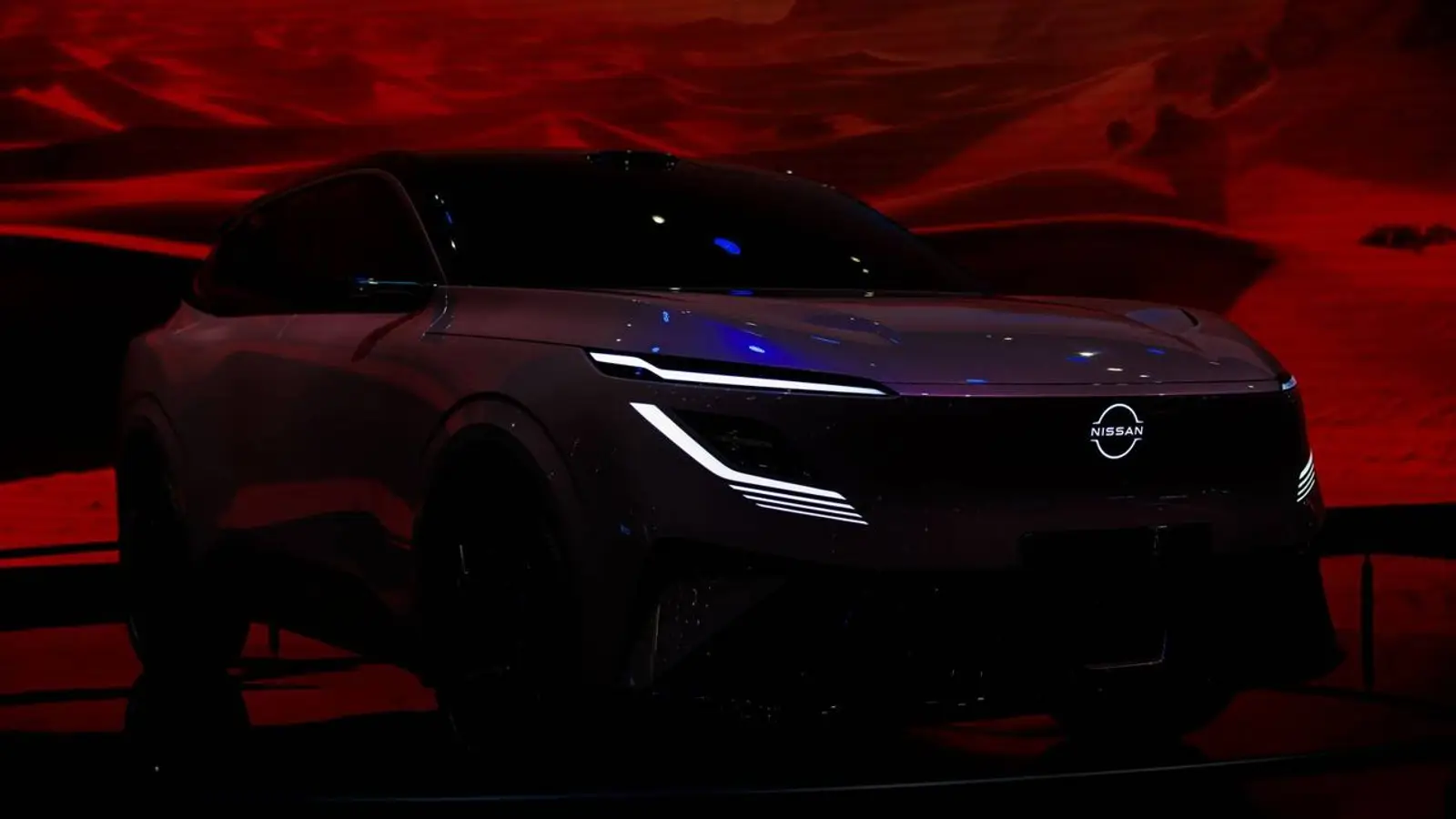
Nissan has its own solid-state roadmap to back this up. The company started running an all-solid-state battery pilot line at its Yokohama plant back in January 2025 and is also working with US-based LiCAP Technologies on a dry electrode process designed to drive costs down. The goal is to launch the first EV powered by an in-house solid-state battery in fiscal year 2028. The Gelion tie-up slots into the British EV36Zero programme built around the Sunderland manufacturing hub.
For buyers, the upshot is simple: if the tech makes it to series production, EVs could gain longer range, faster charging and less exposure to expensive metals. But mass market is still a long way off. China is already testing its own solid-state chemistries, and BYD plans limited batches of solid-state cells in 2027, ramping up to mass production closer to 2030.
This English edition was prepared using AI translation under editorial oversight by SpeedMe. The original reporting is by Nikita Novikov
Latest Stories