Kia enters U.S. pickup market with electric and hybrid trucks
 © kianewscenter.com
Kia confirms a mid-size pickup for the U.S. by 2030, featuring electric, hybrid, and extended-range variants to compete with Ford and Toyota. Learn about its strategy.
Author: Diana Degtyareva
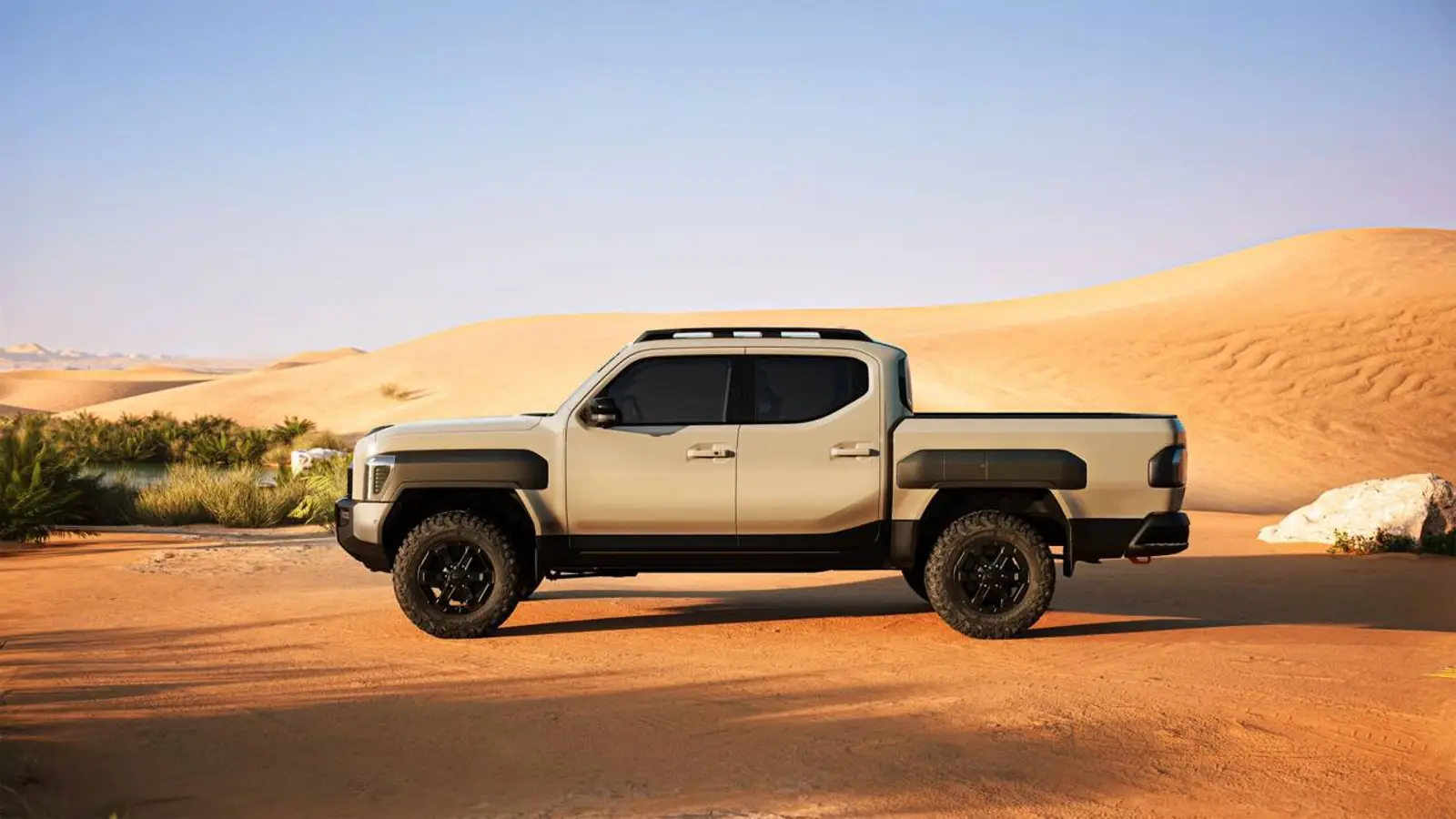
Kia has officially confirmed its entry into the U.S. pickup truck segment. A new mid-size pickup will arrive by 2030, becoming a key part of the brand's growth strategy focused on electrification and expanding its model lineup.
Target Market
Kia CEO Ho Sung Song stated the company aims to increase U.S. sales to 1.02 million vehicles and capture a 6.2% market share. The new pickup will be a crucial tool for achieving these goals.
This model will compete with segment leaders like the Ford Ranger and Toyota Tacoma. At the same time, Kia will need to account for pressure from electric models such as the Tesla Cybertruck and Rivian R1T.
Technical Base and Powertrains
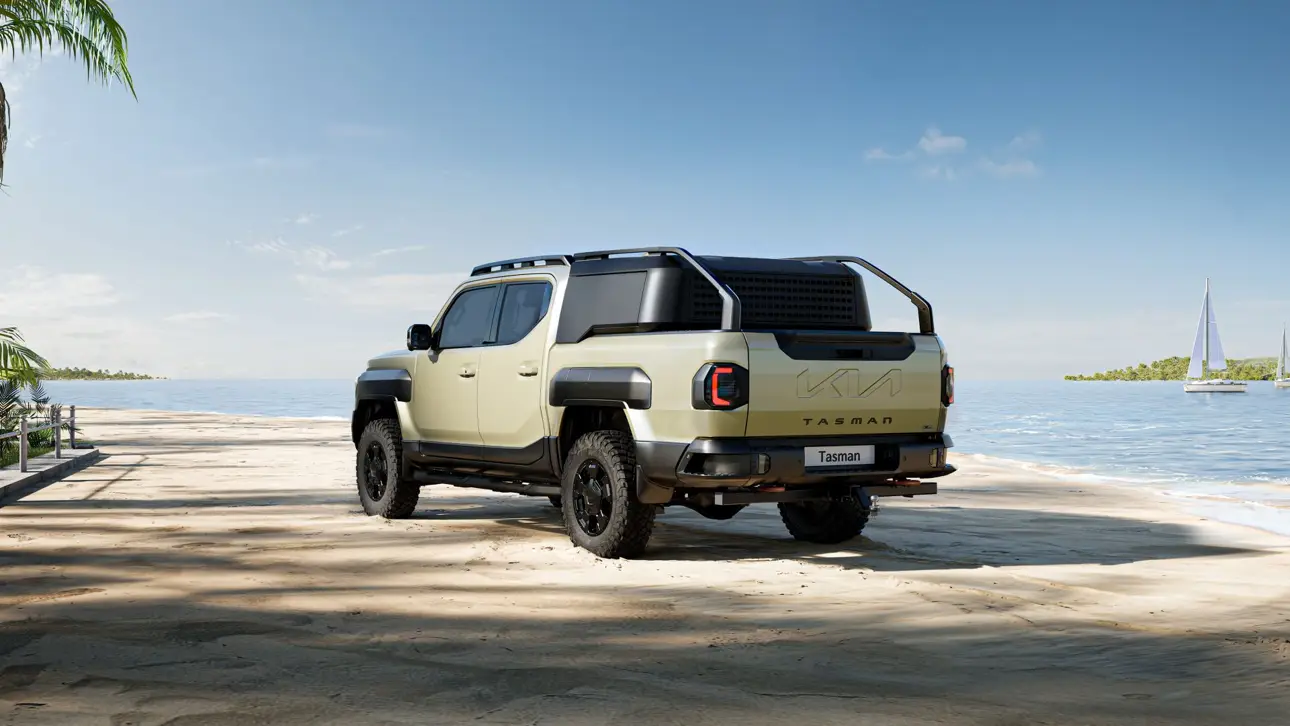
The pickup will feature a traditional body-on-frame construction, underscoring its focus on off-road capability and utility tasks. The lineup will include several variants: a fully electric version, an extended-range model, and a hybrid.
In practice, the hybrid version is likely to be the main offering for the U.S., where emissions standards are less strict than in Europe. This approach should balance cost and practicality effectively.
Connection with Hyundai and Future Platform
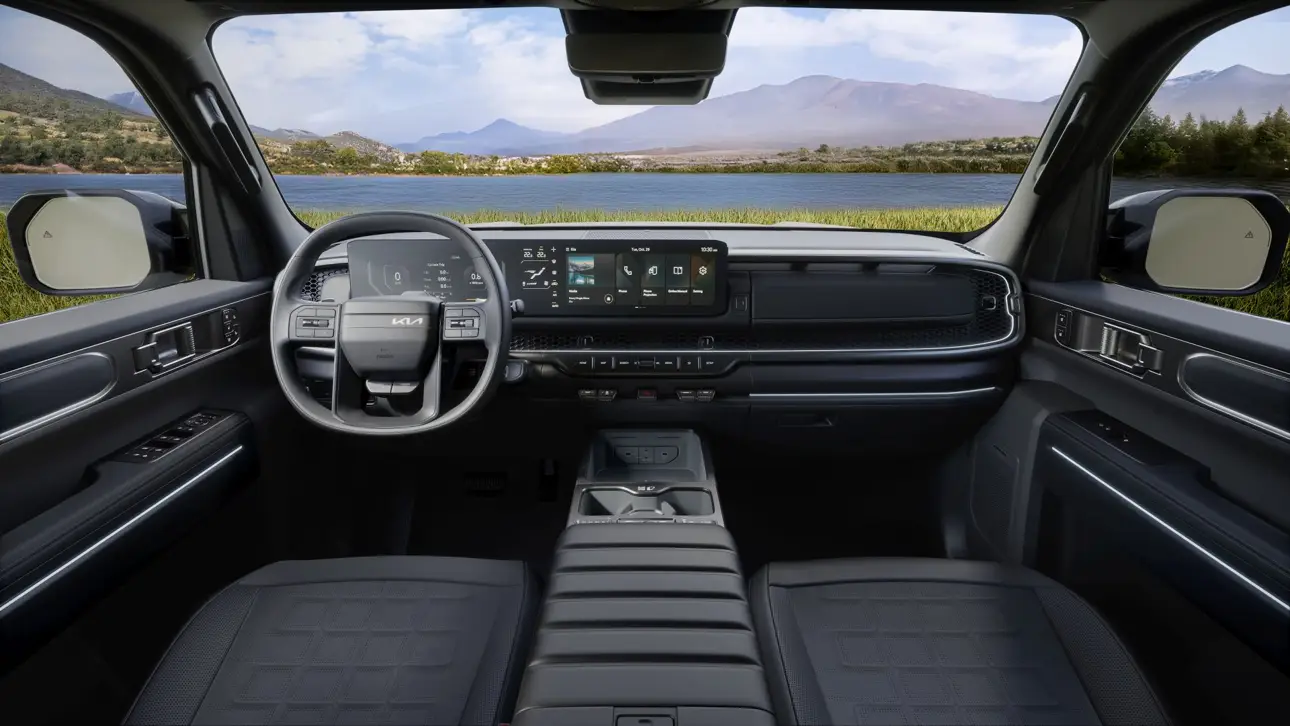
The project is being developed alongside a similar Hyundai model. Both vehicles will be built on a shared body-on-frame architecture, partially previewed by the Hyundai Boulder concept.
The production pickup is expected to inherit a rugged design, high ground clearance, and a practical body. Importantly, the current Kia Tasman sold in other regions will not serve as the basis for the American version.
Overall, Kia's move into the U.S. pickup segment is a strategic step that could reshape the brand's position in the largest market. The emphasis on hybrids and electric versions highlights how even traditional vehicle classes are gradually transitioning into a new technological era.
This English edition was prepared using AI translation under editorial oversight by SpeedMe. The original reporting is by Diana Degtyareva
Latest Stories