When losing a wheel is the safer option: Ferrari's unusual crash idea
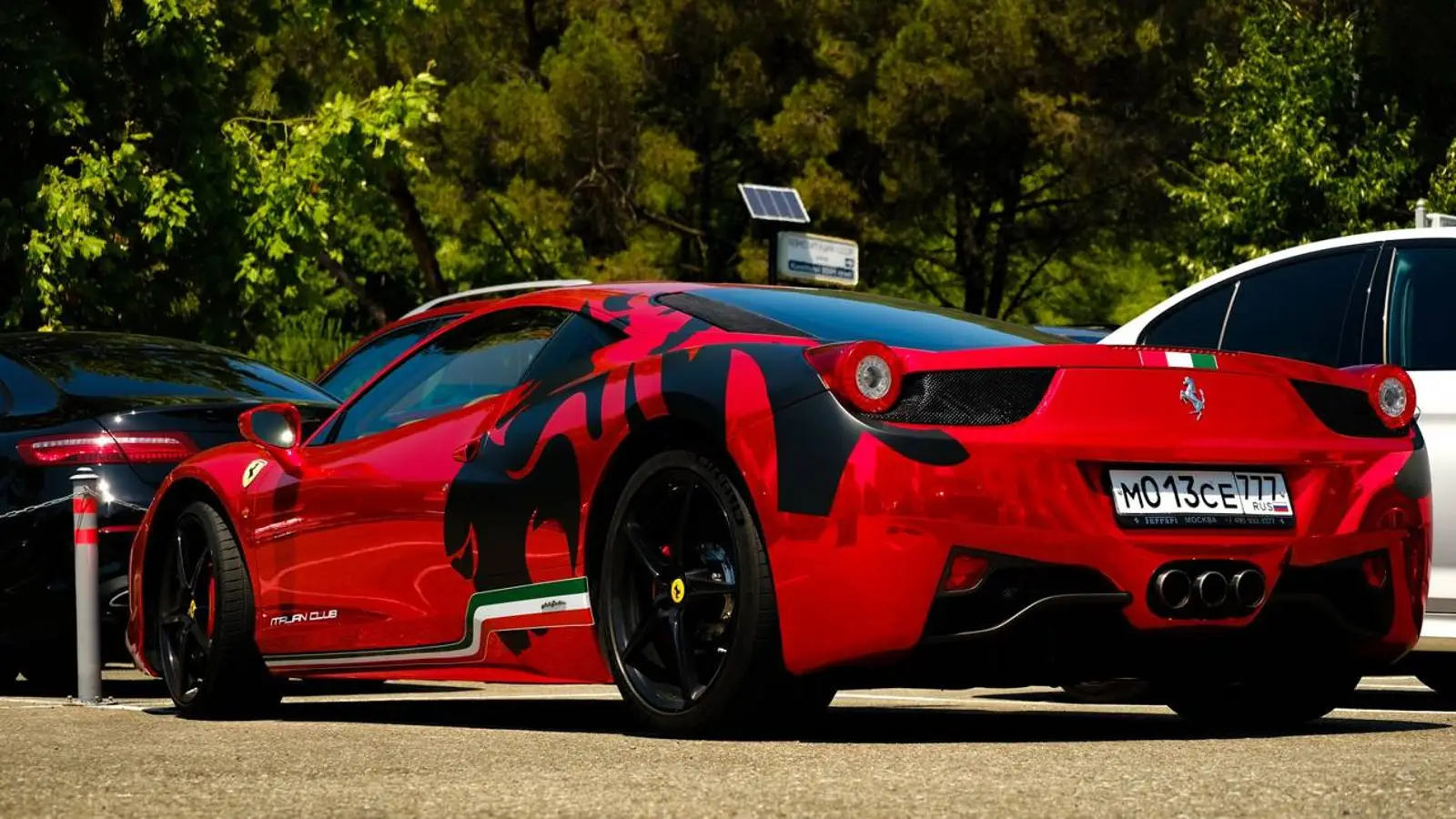 © A. Krivonosov
A new Ferrari patent describes a suspension mount that fails in a planned way so the wheel separates predictably instead of crushing the chassis.
Author: Nikita Novikov
Ferrari has patented an unusual safety system: in a hard impact, the wheel can detach not chaotically but along a pre-calculated path. For a supercar, this isn't a stunt — it's an attempt to make a crash less destructive and more predictable.
In a typical accident, the wheel and suspension components can become a problem in their own right. On impact they move rearward, break control arms, deform the wheel arch, load the structural members and sometimes add extra risk to the footwell. On an expensive, low-slung car, the bill for that kind of damage quickly runs into tens of thousands of dollars.
Ferrari's idea is not to resist the destruction to the very end, but to channel it. If the impact is severe enough, the mounts and suspension components are designed to let the wheel separate in a controlled way, without dragging extra hardware along. It's similar to programmed body deformation: the car sacrifices one assembly to protect the more important zones.
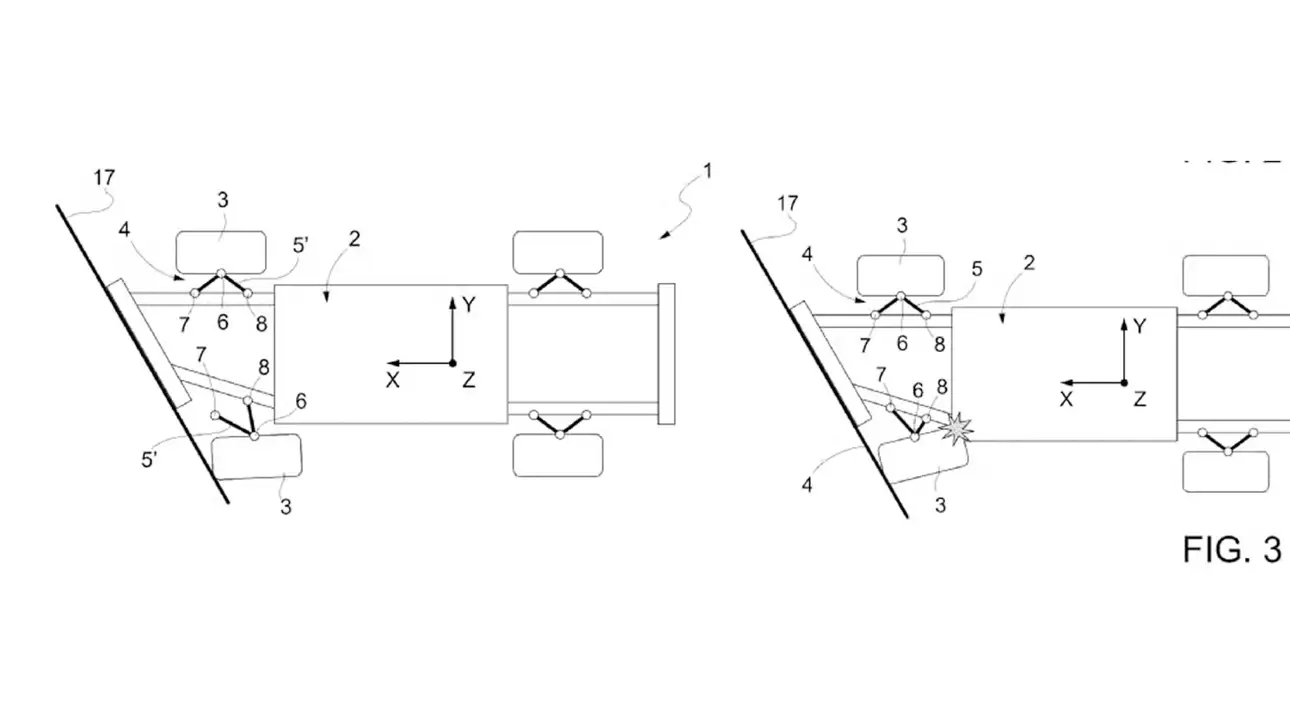
For the owner, the meaning is simple: fewer unpredictable types of damage, a potentially safer impact structure and a better chance that the repair won't turn into a full replacement of half the front end. For Ferrari this matters especially: carbon, aluminium, active aerodynamics and complex suspension make even a small impact very expensive.
For now it's only a patent, not an announced production technology. But the direction says a lot: the supercar of the future will be engineered not just for acceleration and lap times, but also for the moment when the driver has already made a mistake.
The costliest part in such a crash may turn out to be not the wheel itself, but wherever it ends up flying after impact.
This English edition was prepared using AI translation under editorial oversight by SpeedMe. The original reporting is by Nikita Novikov
Latest Stories