Volkswagen revises strategy for ID.3 and ID.4 models based on user feedback
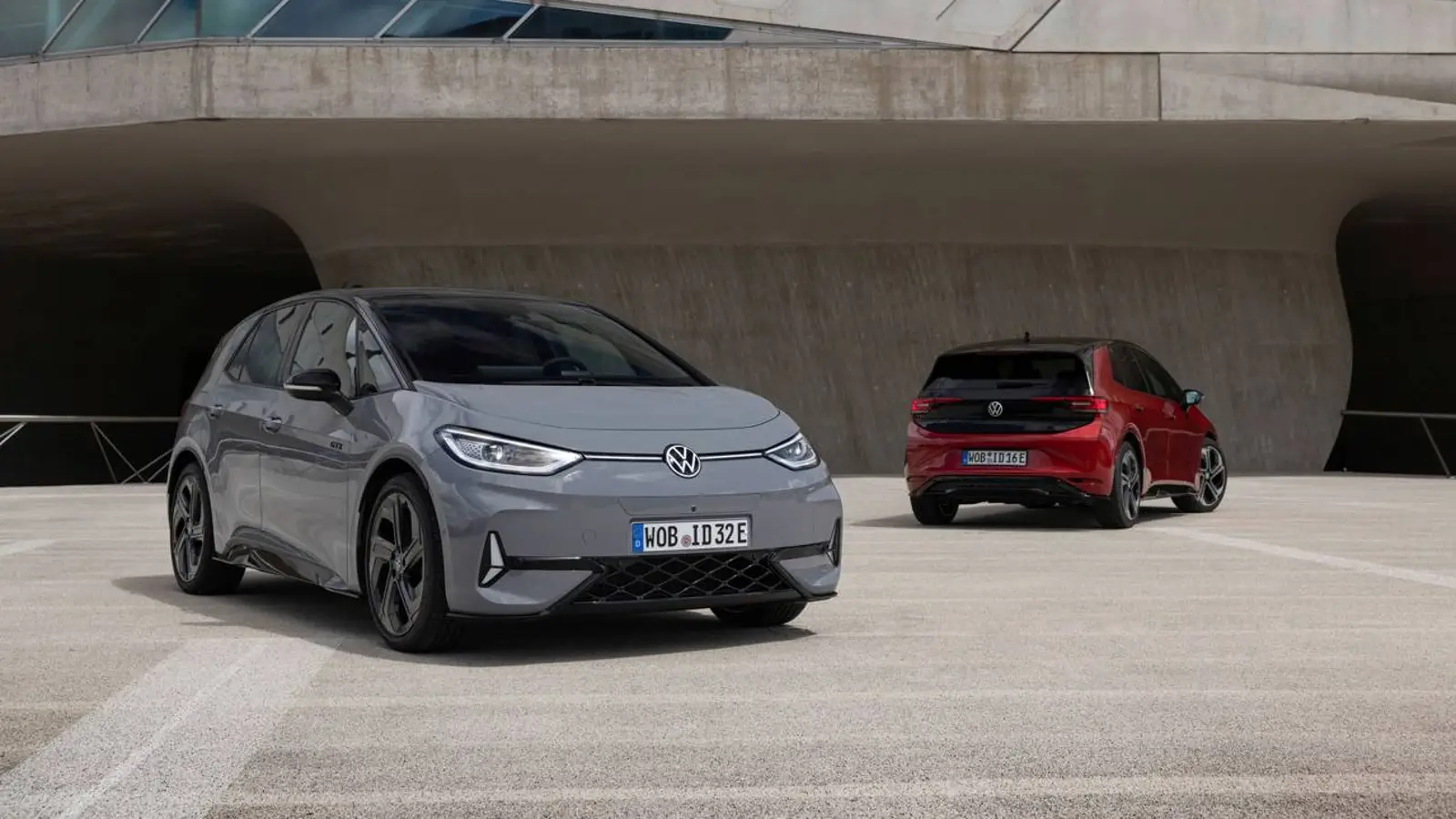 © volkswagen-newsroom.com
Volkswagen acknowledges design and usability issues in ID.3 and ID.4, promising physical buttons and simpler interfaces in future models like ID.3 Neo.
Author: Yulia Ivanchik
Volkswagen has acknowledged missteps in the development of its ID.3 and ID.4 models. Brand leadership stated that the vehicles failed to align with core brand values, particularly regarding design and usability.
According to brand chief Thomas Schäfer, issues included the exterior styling, overly complex interfaces, and the abandonment of familiar model names. Touch-sensitive controls, such as the climate control sliders, drew specific criticism.
The new strategy involves a return to more conventional solutions. Future models will feature physical buttons, intuitive naming, and more recognizable designs. Development will now actively incorporate customer feedback, moving beyond internal decisions alone.
The refreshed lineup will begin with the ID.3 Neo, set to debut soon. It will be followed by new versions of the ID.Polo and ID.Cross, as well as an updated ID.4.
Volkswagen emphasizes that the focus is now squarely on practicality and convenience. This shift reflects the broader approach for new 2026 models, where user experience and direct customer input play a central role.
This English edition was prepared using AI translation under editorial oversight by SpeedMe. The original reporting is by Yulia Ivanchik
Latest Stories