Tesla's 2026 production boost and inventory buildup
 © tesla.com
Tesla produced 410,000 vehicles in Q1 2026 but delivered 358,000, creating a 50,000-unit inventory gap. Learn about factors like reduced subsidies and competition.
Author: Yulia Ivanchik
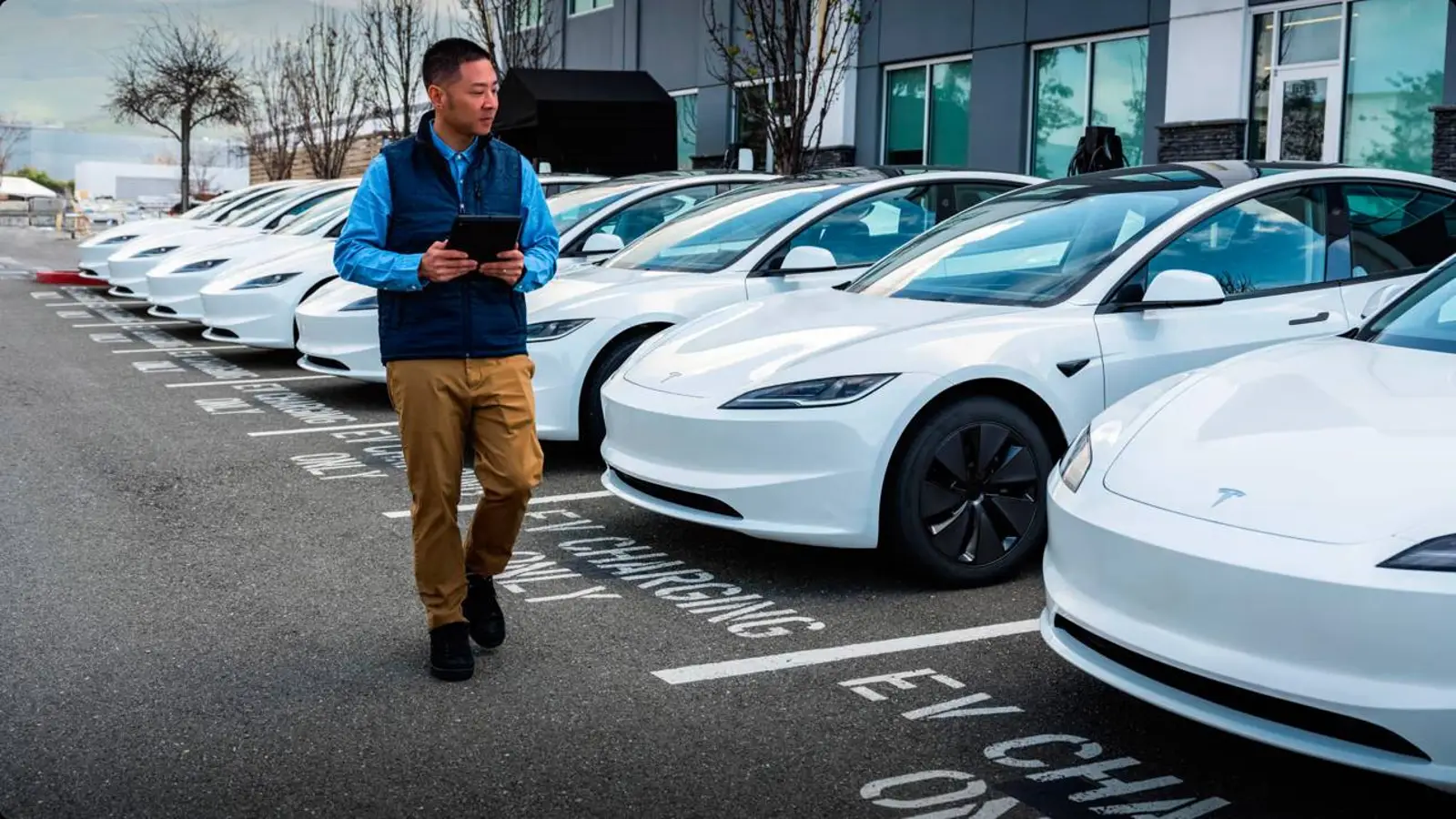
Tesla kicked off 2026 with a production boost, manufacturing around 410,000 vehicles in the first quarter. However, deliveries reached only about 358,000 units, leading to an inventory buildup of over 50,000 cars—the largest gap between production and sales in the company's history.
Despite this, Tesla maintains growth, with a 6% increase compared to last year. The company continues to hold its ground in key markets, though demand has become more restrained.
Several factors contribute to this situation, including reduced government subsidies, particularly in the U.S., and heightened competition. Buyers are now more closely evaluating total cost of ownership, charging infrastructure, and delivery times. Additional pressure comes from an expanding lineup of offerings by other manufacturers, including European and Chinese brands actively launching new models.
In practice, this stockpile could give Tesla an advantage, enabling quicker responses to demand and promotional campaigns. Overall, the picture reflects a shift in the 2026 new car segment, where the market is becoming more competitive and mature.
This English edition was prepared using AI translation under editorial oversight by SpeedMe. The original reporting is by Yulia Ivanchik
Latest Stories