The most efficient electric cars by energy consumption
 © A. Krivonosov
ADAC data shows which electric cars use the least energy under WLTP testing, but running costs tell a more complex story.
Author: Dmitry Novikov
Energy consumption is rarely the main factor when buyers choose an electric car. Range usually gets more attention, yet consumption in kWh per 100 km is what largely defines real running costs and environmental efficiency.
According to ADAC data analysed by SPEEDME journalists, the most efficient electric car is the Mercedes-Benz CLA Coupe 250 EQ, with a figure of 12.3 kWh/100 km. For a car in this class, that is an exceptionally low result.
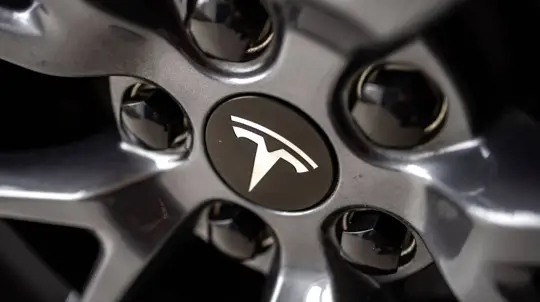
Second place goes to the Dacia Spring at 12.4 kWh/100 km, while the Tesla Model Y takes third with 12.7 kWh/100 km. The top three therefore include both a compact city car and a midsize crossover.
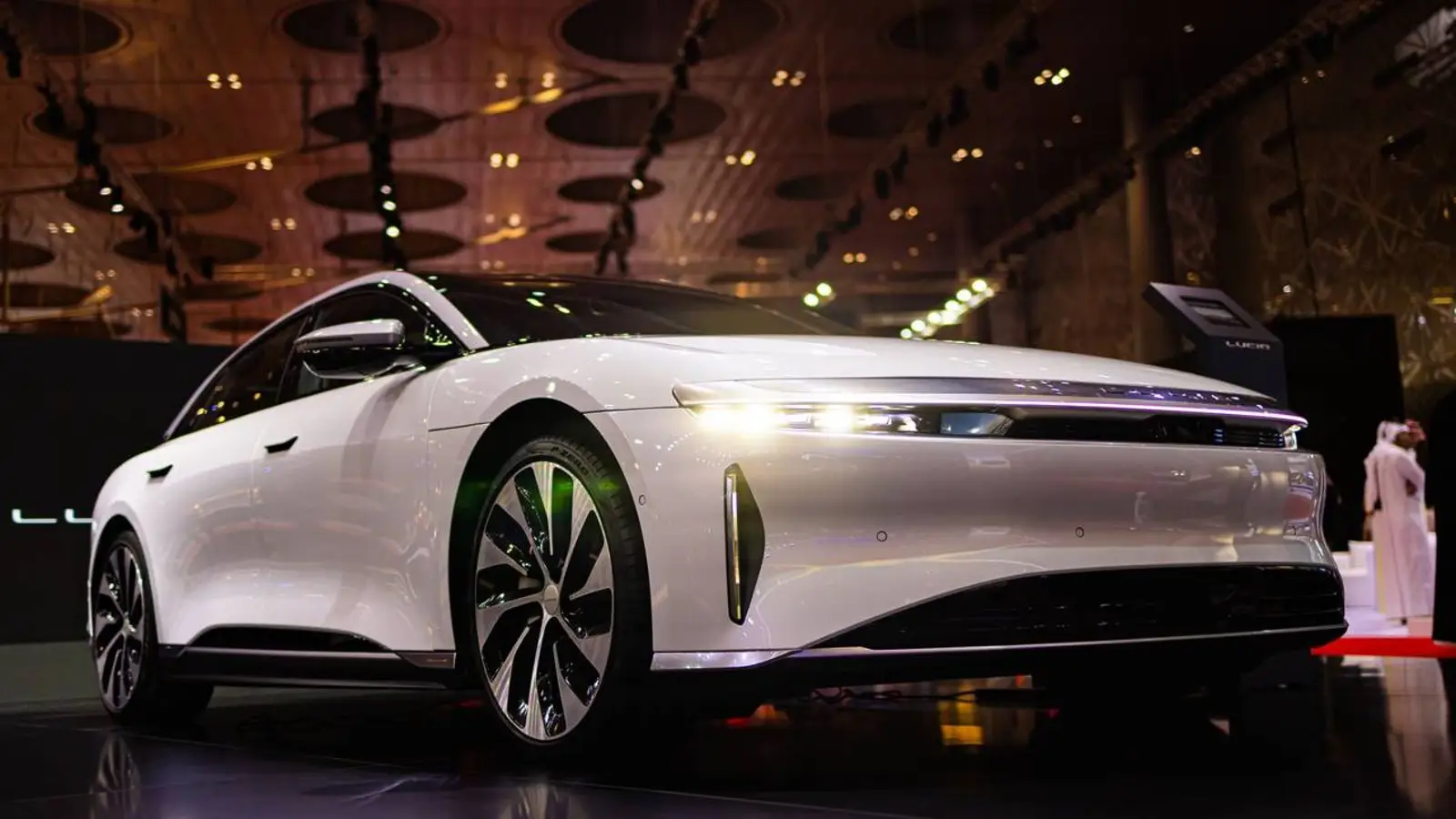
There is another notable point: large sedans can also deliver strong efficiency. The Lucid Air, for example, returns 13.0 kWh/100 km, putting it close to compact models. It shows that aerodynamics and software optimisation now matter more than size alone.
All figures are based on the European WLTP cycle, meaning laboratory conditions. Real-world results may differ, especially in winter or at high speeds. Even so, the relative gap between models remains relevant.
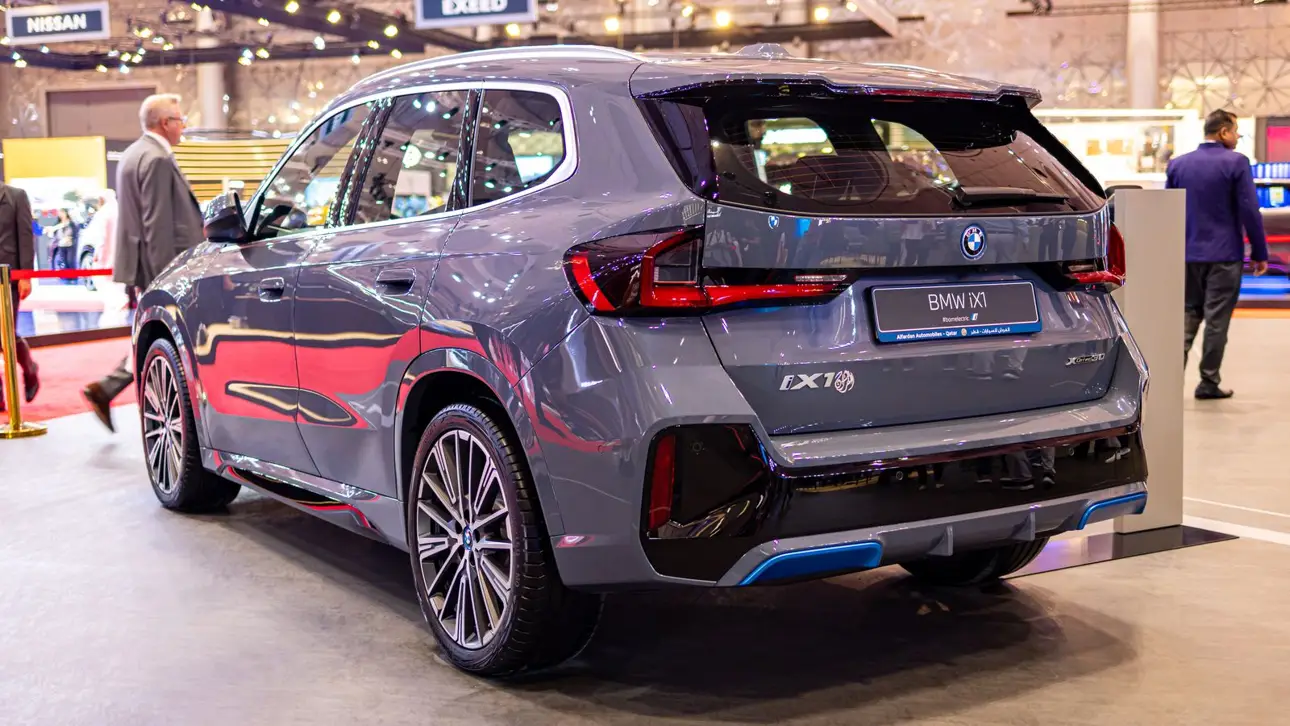
The ranking includes mainstream models such as the Fiat 500e, Renault Twingo E-Tech, Peugeot e-208 and Opel Corsa Electric, as well as more expensive cars including the Volkswagen ID.7, Audi A6 e-tron, BMW iX1 and iX2. Consumption across the top 28 ranges from 12.3 to 14.6 kWh/100 km.
ADAC also assessed total operating costs. Here, the picture changes. The Dacia Spring records one of the lowest figures, at around 36.7 cents per kilometre. By comparison, despite its strong efficiency, the Audi A6 e-tron costs almost 98.3 cents per kilometre because of its price and depreciation.
That underlines the key finding of the study: the lowest energy consumption does not always mean the lowest costs. Purchase price, insurance, servicing and residual value all play a significant role.
Modern electric cars are becoming more efficient regardless of class. But when choosing one, it is important to look beyond kWh per 100 km and consider the overall balance: purchase price, running costs and real driving conditions. The ADAC ranking shows that efficiency is a broader measure, not just a catalogue number.
This English edition was prepared using AI translation under editorial oversight by SpeedMe. The original reporting is by Dmitry Novikov
Latest Stories