Tested to empty: BMW iX3 outlasts 23 rivals and beats its own promise
 © A. Krivonosov
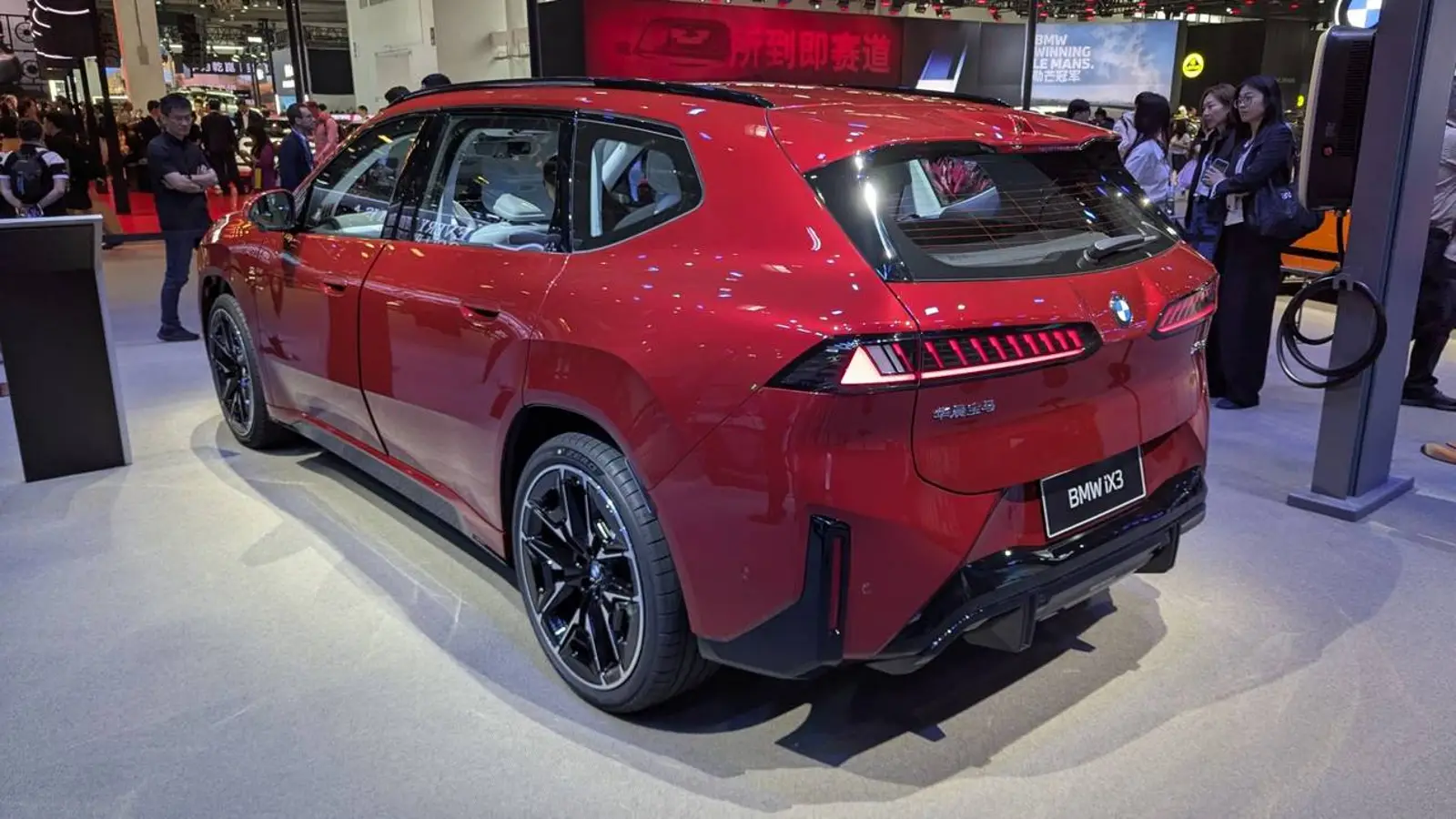
Norway's NAF ran 24 EVs to empty. The new BMW iX3 50 xDrive went 781 km — beating its own WLTP figure by 1.5% and the EPA rating by 11.7%.
Author: Nikita Novikov
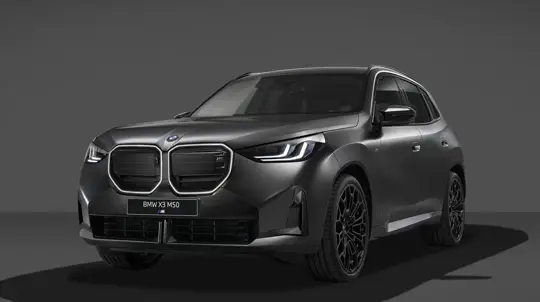
The Norwegian Automobile Federation (NAF) has once again checked electric cars not by brochure but by driving them flat. Twenty-four models took part in the El Prix 2026 summer test, and the longest run belonged to the new BMW iX3 50 xDrive — 781 km on a single charge.
Conditions were almost perfect for EVs: dry roads and temperatures between 12 and 18 degrees Celsius. As a result, most cars stayed close to their official WLTP figures. The BMW not only led on range, it also beat its own stated number by 1.5%. Against the American EPA rating, the margin was an even more generous 11.7%.
The most striking result for honesty, though, did not come from BMW but from the Xpeng X9. The Chinese minivan covered 646 km against a claimed 580 km — an 11.4% overperformance. For a large family vehicle that is a strong argument: buyers get not just a glossy number on a website, but a real-world buffer they can actually use.
At the other end of the scale sat the MG IM6. The sedan managed 446 km against a claim of 505 km, falling 11.7% short. NAF was puzzled by the gap, especially because another sedan from the same brand — the MG S6 — went the other way and beat its WLTP figure by 3.4%.
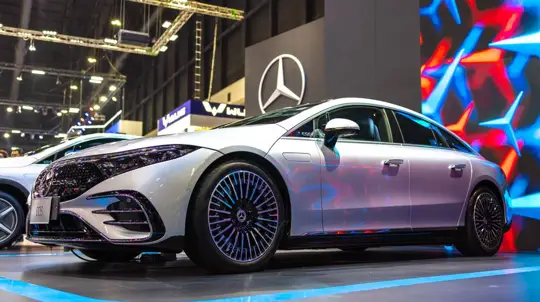
The Lucid Gravity posted 720 km, the Mercedes-Benz CLA hit 675 km and the GLC 400 reached 665 km. The Toyota bZ4X matched its WLTP figure of 506 km exactly, but its battery gauge read 0% a full 18 km before the car actually rolled to a stop.
For drivers, this kind of test is more useful than any marketing claim. It shows not just which EV goes the farthest, but — more importantly — how honestly each car talks about its own range.
This English edition was prepared using AI translation under editorial oversight by SpeedMe. The original reporting is by Nikita Novikov
Latest Stories