When a single line of code stops a car: Nissan launches massive e-POWER recall
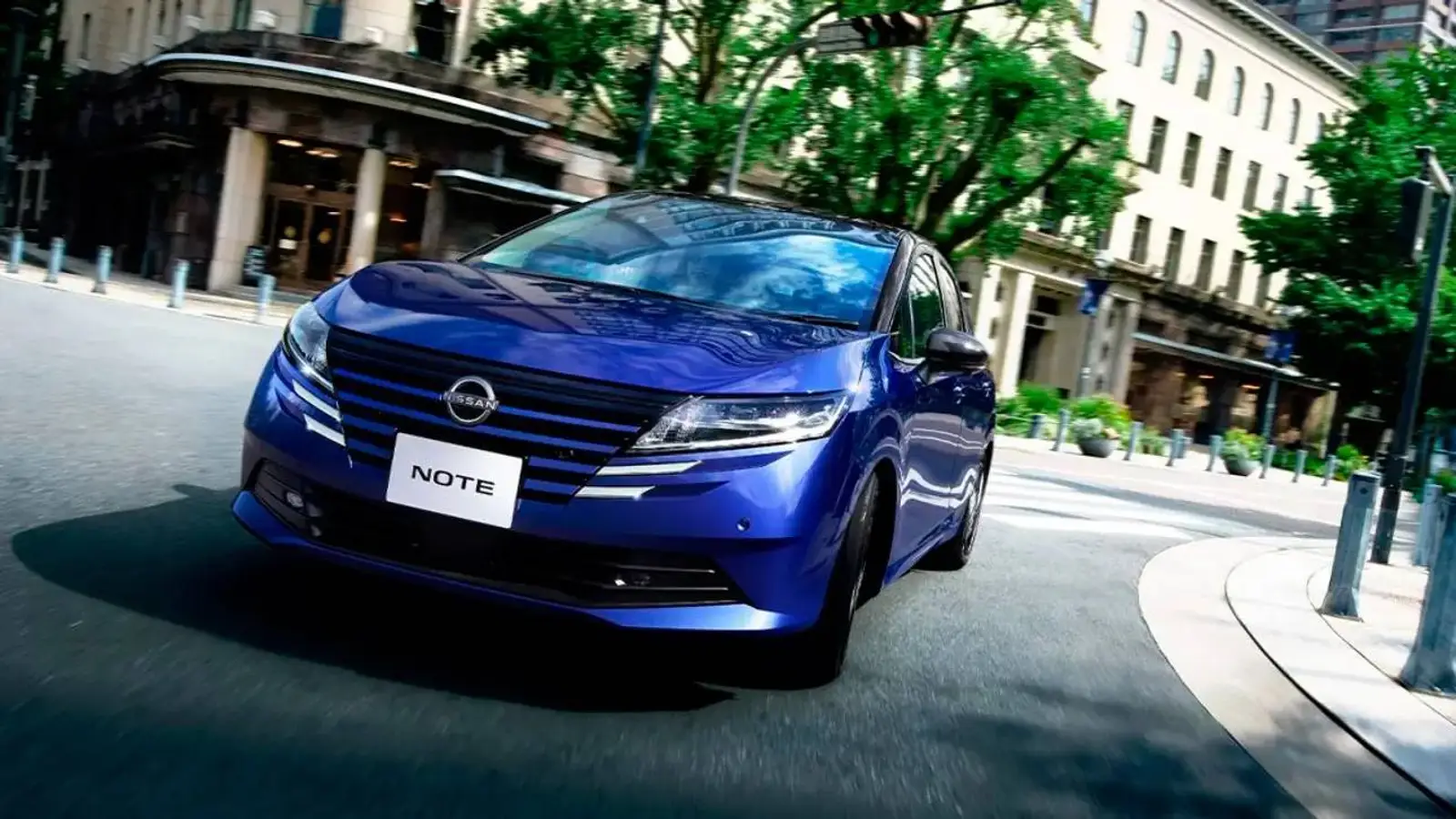 © nissan-global.com
Faulty lithium-ion battery controller software may cut power to the drive motor mid-trip. Nissan will reflash all 600,595 affected e-POWER cars for free.
Author: Polina Kotikova
Nissan has announced a major recall in Japan covering the Note, Note Aura and X-Trail. As SPEEDME has learned, on 26 June the company filed a notice with the Ministry of Land, Infrastructure, Transport and Tourism over a software error in the lithium-ion battery controller.
The campaign covers 600,595 vehicles across six body types, produced between 12 November 2020 and 6 April 2026. These are models fitted with the e-POWER hybrid system, in which a gasoline engine acts as a generator while the wheels are turned by an electric motor powered by a lithium-ion battery. The controller managing that battery plays a key role in regulating the energy flow.
The root cause is incorrect program logic. In certain cases, the system can mistakenly detect a fault, display an EV system warning on the instrument cluster and limit the output of the traction motor. In the worst-case scenario, power delivery to the drive motor can stop while the car is in motion, leaving the vehicle unable to move.
For owners, this is more than an annoying electronic glitch. If a car suddenly loses thrust on the highway, during an overtake or in dense city traffic, the risk of an accident rises sharply. According to MLIT, by the time the campaign was announced 452 cases of the fault had been logged, along with one incident involving property damage.
Nissan’s fix is a reflash. Every affected car will have its lithium-ion battery controller software updated to a corrected version. The work is carried out free of charge as part of the recall campaign.
This story is particularly telling for modern hybrids and electrified models. The vulnerability can sit not in the mechanics but in the program logic: a single faulty algorithm is capable of turning a healthy battery and motor into a serious risk.
Nissan will fix the problem in software, but the sheer scale of the recall serves as a reminder: the smarter cars become, the more critical it is to look beyond the hardware to the line of code that controls how they move.
This English edition was prepared using AI translation under editorial oversight by SpeedMe. The original reporting is by Polina Kotikova
Latest Stories