Charge fast, drain faster: Xpeng X9 arrives in Europe with a brilliant card and an awkward one
 © A. Krivonosov
The Chinese electric MPV launches in Europe with 800V architecture, up to 615 km WLTP and prices from €77,600. Charging is record-breaking, but real-world consumption raises questions.
Author: Nikita Novikov
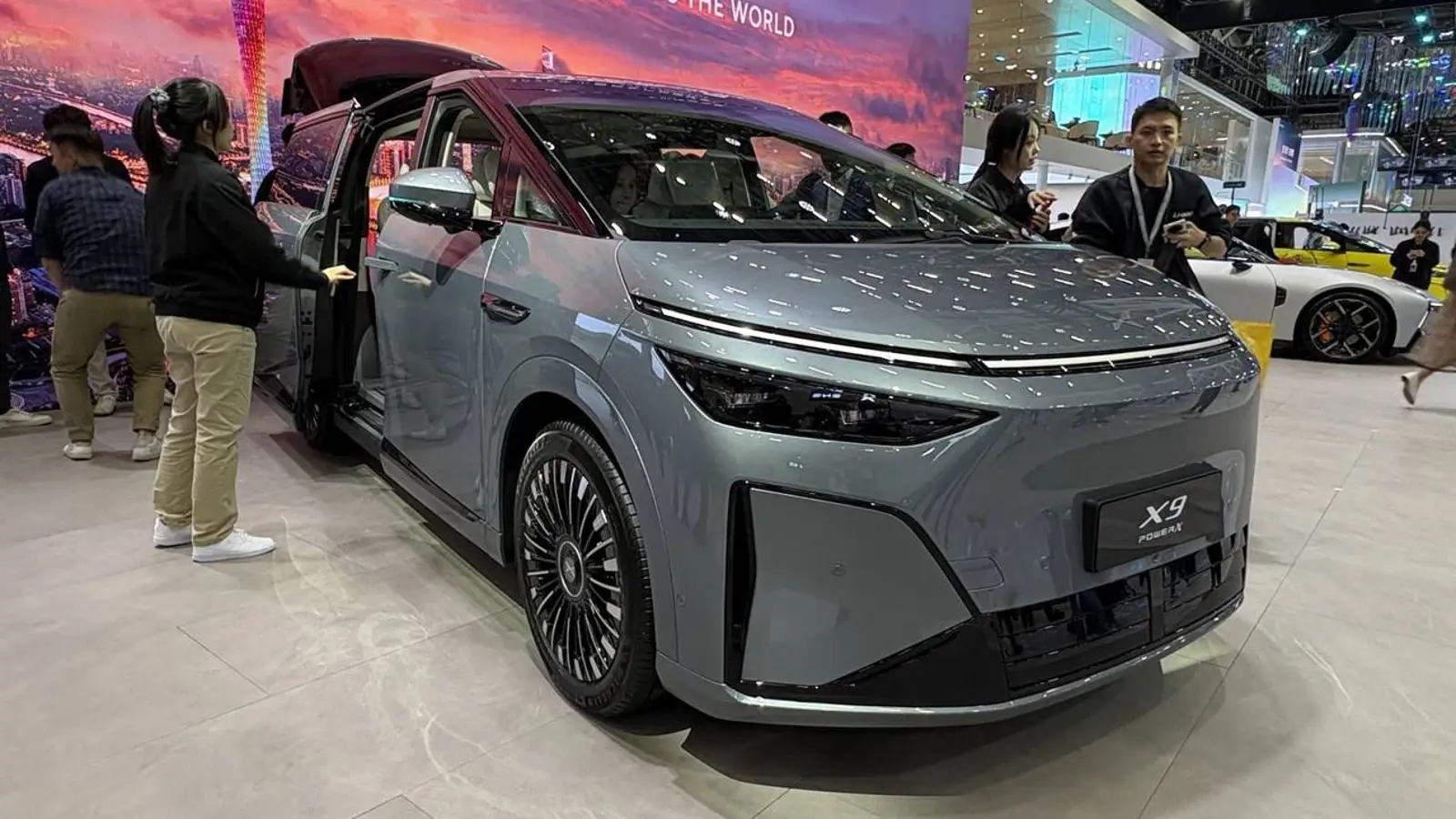
Xpeng is rolling out the X9 in Europe — a large electric seven-seat MPV stepping into an almost empty but expensive segment. On paper it is set to take on the Mercedes-Benz VLE: the Chinese model boasts a lavish second row, ultra-fast charging and a huge cabin, but the first European tests have revealed more than just strong points.
The X9 is built on an executive scale: 5.29 m long with a 3.16 m wheelbase. That delivers a spacious third row and impressive room inside, but in European cities a car this size quickly becomes a struggle for parking and narrow streets. Rear-axle steering helps with manoeuvres, yet it cannot rewrite the laws of physics.
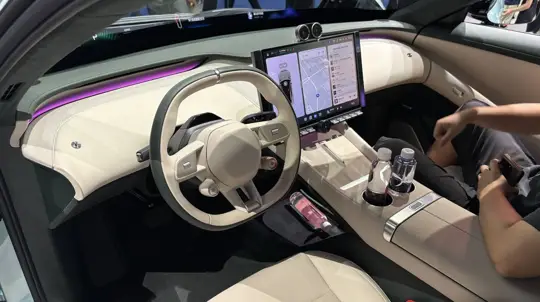
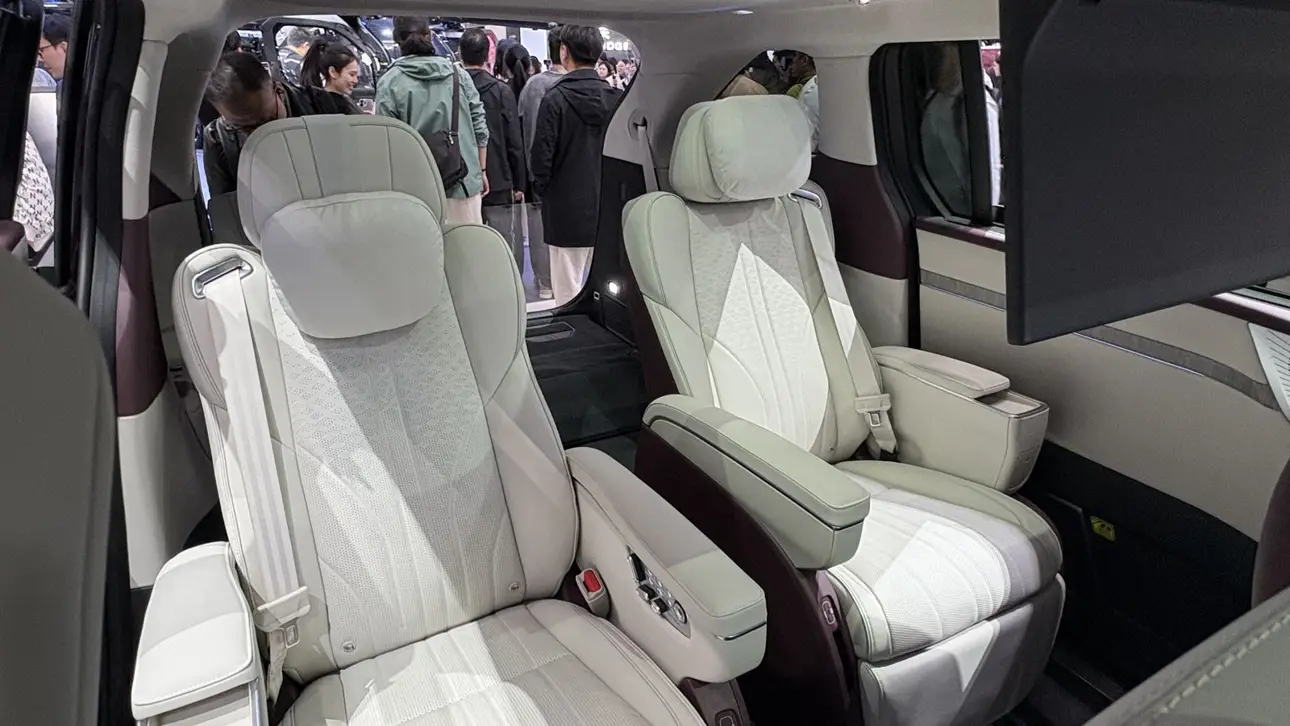
Inside, the focus is on passenger comfort. The second row offers large Nappa-leather seats with massage, climate control and electric adjustment. There is a fridge, air suspension, sophisticated multimedia and rich standard equipment. But quality leaves questions: some plastics, the roof-mounted retractable screen and the rather «Tesla-like» dashboard do not always feel worthy of the price.
The technical package is strong. The entry-level version delivers 315 hp, while the dual-motor AWD Performance produces 503 hp and sprints to 100 km/h in 5.9 seconds despite a kerb weight of more than 2.7 tonnes. Batteries are rated at 94.8 or 110 kWh. WLTP range is 535 km for the base model, 615 km for the Long Range and 580 km for the AWD Performance.
The X9’s strongest card is charging. The 800-volt platform allows up to 542 kW on paper, and in European tests the MPV has already hit a peak of 347 kW while holding above 300 kW for a long stretch. Charging from 26 to 90% took just over 14 minutes. For a family or chauffeur-driven car, that is a genuinely powerful argument.
But consumption drags the model back. The official 20.8 kWh per 100 km looks tolerable, while independent highway runs show around 30 kWh per 100 km. At that rate the base model with its 94.8 kWh pack covers not 535 km but roughly 350–400 km. For a car starting at €77,600, or around $88,500, that is an unwelcome contrast.
The Long Range costs €81,600, around $93,000, while the AWD Performance is priced at €86,600, about $98,700. Right next to it sits the Mercedes-Benz VLE: around €82,000, a 115 kWh battery, up to 700 km WLTP, a more refined cabin and European assembly in Spain. Xpeng charges faster, but Mercedes makes a stronger case where it matters most for an MPV — being calm, efficient and expensive to the touch.
The X9 shows that Chinese brands can now surprise with more than just price. But in Europe, record charging alone is not enough: a large electric MPV needs not just to take in energy quickly, but to spend it slowly.
This English edition was prepared using AI translation under editorial oversight by SpeedMe. The original reporting is by Nikita Novikov
Latest Stories