A Loose Shaft and a Costly Fix: Why Nissan Is Calling Back 946 Sentras
 © nissanusa.com
A supplier tooling error left the front driveshaft not fully seated in the CVT, risking fluid leaks, jerks and sudden loss of drive. Here is what owners should watch for.
Author: Polina Kotikova
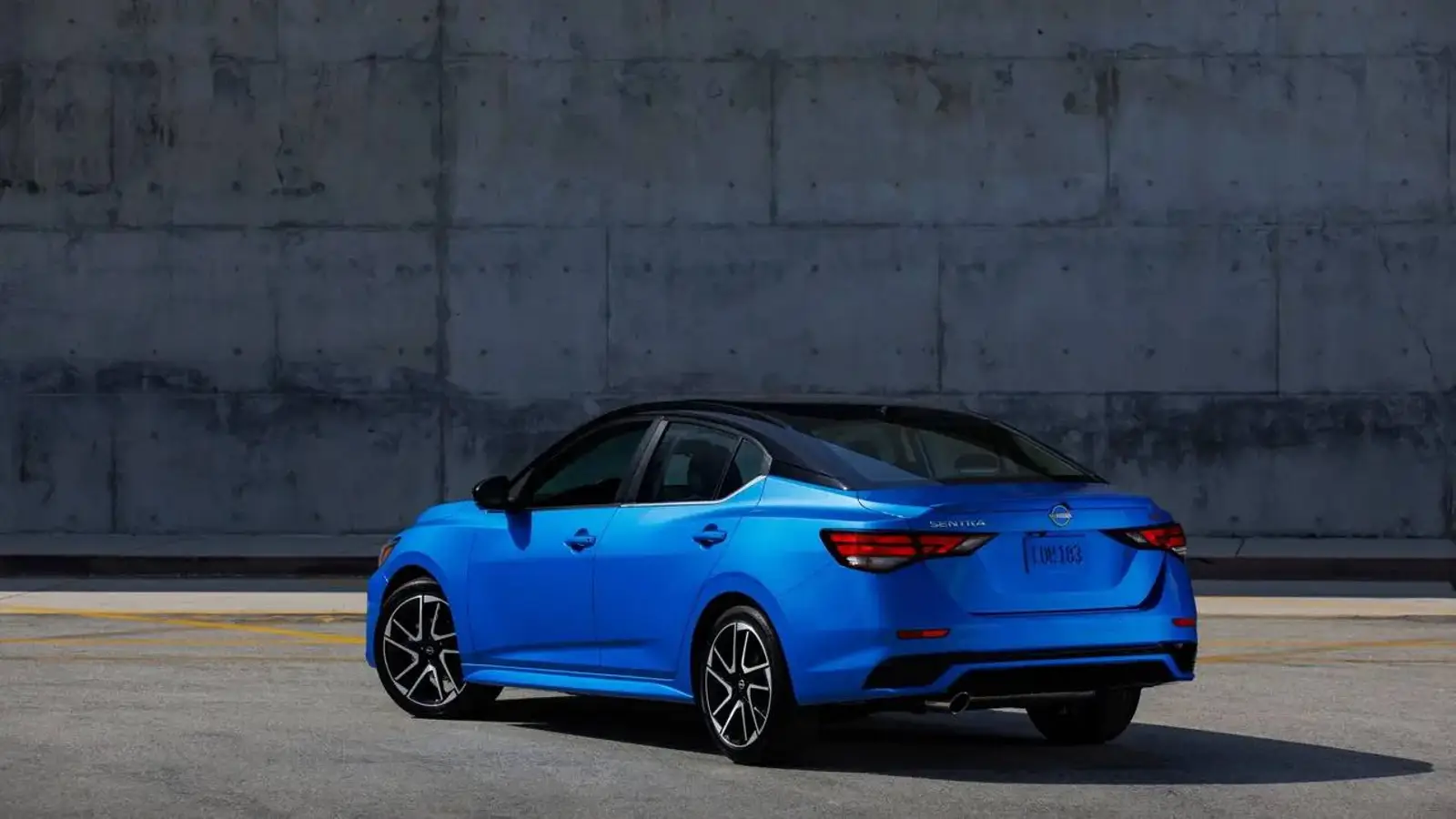
Nissan has recalled 946 Sentra sedans from the 2025 model year in the United States over an error in fitting the left front driveshaft. The unpleasant twist here is that the fault has nothing to do with electronics or a «temperamental» CVT — it comes down to a mechanical joint that, if it worsens, can lead to a CVT fluid leak, jerking, hesitation under load and a sudden loss of drive.
According to records in the NHTSA database, the campaign has been assigned the number 26V410, with Nissan's internal code PMA68. The recall covers Sentras built between September 11 and 13, 2025. Up to 946 cars are potentially affected, with the estimated share carrying the defect put at 3.8%. The component is supplied by GKN Automotive of Mexico, and the cause is traced to a production-tooling error at the supplier: the shaft may not have been fully seated into the CVT assembly.
The symptoms owners should watch for are typical of transmission trouble: a fluid leak, a drop in CVT pressure, jerking or hesitation on the move, a reduced-CVT-power message and the Check Engine light. In a rare scenario, the shaft splines may fail to engage the differential gear, and the car will lose drive without warning. There is a second risk too: if the shaft disconnects while driving, the car can roll away after the selector is moved to Park unless the driver has set the parking brake.
For dealers this is not just a service inspection but a Stop Sale: new cars from the affected batch cannot be sold, leased, traded, rented out or handed over to customers until the work is done. The dealer bulletin notes that 17 such cars were in the new-car network at the time of the announcement.
The repair logic is simple, but the consequences can be expensive. The dealer lifts the car, removes the front underbody shield and checks whether the inner joint of the left driveshaft moves when gently pried away from the transmission housing. If there is no movement, the car is released after inspection. If the shaft shifts, the dealer must submit a video for prior approval and then replace the left driveshaft together with the CVT assembly. The inspection takes about half an hour, while a repair involving replacement runs up to 10.5 hours.
Nissan says it is not aware of any crashes or injuries linked to the problem. But for the owner, this is one of those cases where the parking brake after Park is not a formality but a temporary safeguard until the dealer visit.
Reference information for owners: the NHTSA campaign number is 26V410 and Nissan's internal code is PMA68. The remedy is a free inspection of the left driveshaft at an authorized dealer, with replacement of the shaft and CVT assembly if needed. The owner-notification mailing schedule and the date on which VINs become searchable on the NHTSA site had not yet been published at the time of writing — owners can check their car by VIN at nhtsa.gov or on Nissan's site.
This English edition was prepared using AI translation under editorial oversight by SpeedMe. The original reporting is by Polina Kotikova
Latest Stories