Tesla Cybercab 2026: production, robotaxi status and why it’s not for sale
 © tesla.com
Tesla is mass-producing the steering-wheel-less Cybercab at Giga Texas but can’t sell it: 100+ units are staged while FSD isn’t ready. Driverless scaling now waits for FSD v15, due in late 2026 or early 2027.
Author: Polina Kotikova
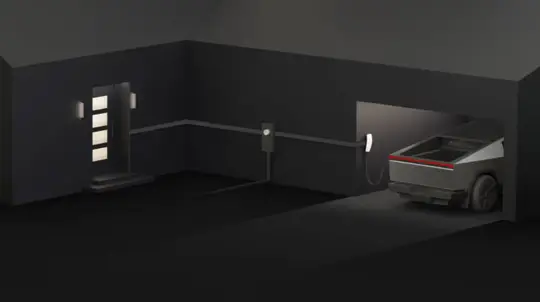
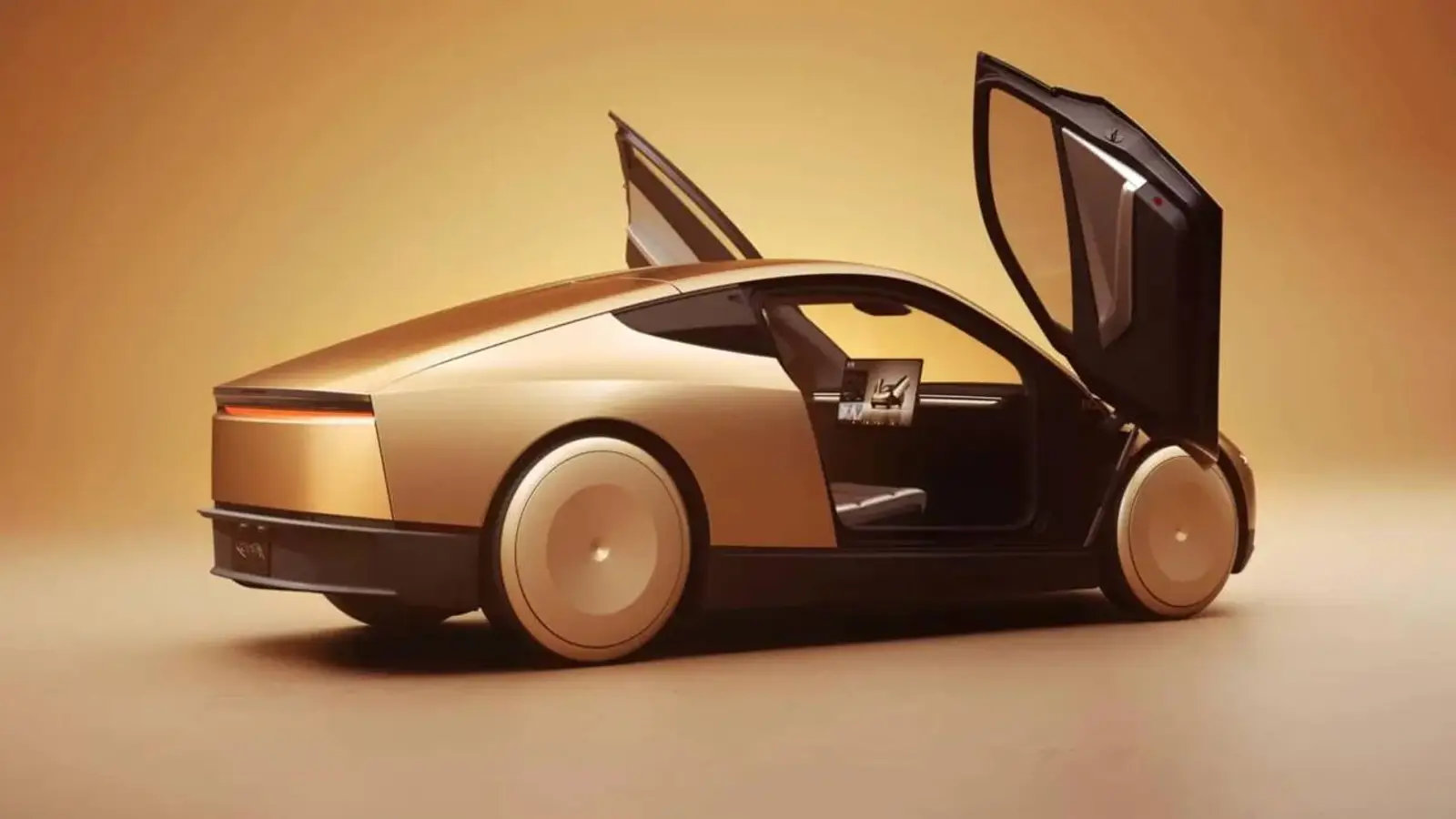
Tesla is ramping up production of the Cybercab at Giga Texas, and that is exactly what makes the story so contentious: the car with no steering wheel or pedals is already sitting in the factory lots, yet it still cannot become an ordinary retail model. According to Electrek, more than 100 two-seat Cybercabs have been spotted near the plant, even though the Robotaxi service remains limited and Tesla itself admits the main blocker is not manufacturing but the safety of autonomous driving.
The Cybercab is designed as a robotaxi, not a personal car. It has no controls, so selling one to a private buyer before full driverless mode arrives is all but impossible. Tesla started building wheel-less cars back in February and confirmed continuous production in April. Elon Musk has described the ramp as a stretched-out S-curve that accelerates closer to the end of the year.
The project’s weak spot is FSD. According to Electrek, a year after the Robotaxi launch in Austin the fleet is still small: city officials put it at roughly 50 cars, and the genuinely driverless share is smaller still. The maps keep expanding — Austin, then zones in Dallas, Houston and a sliver of Miami, — but geography alone does not solve the problem. On the first-quarter 2026 earnings call Musk told investors that the limiting factor is still safety validation, and that scaling waits for FSD v15, targeted for late 2026 or early 2027.
And that is the catch: Tesla knows how to build cars quickly, but the Cybercab does not remove the reason the service refuses to grow. Every new wheel-less body adds hardware inventory, not a finished service. If the software cannot work confidently without a human watching, the car turns into a warehouse bet on a future version of FSD.
Beyond Tesla, the Cybercab matters right now less as a machine that might one day reach showrooms than as a case study in the risk facing the entire autonomous industry. Even ordinary driver-assistance systems are often limited by lane markings, weather, connectivity and legal liability, and a car with no steering wheel would demand a regulatory framework of its own. Against Chinese EVs that lean on lidar and a more cautious rollout, Tesla is betting on cameras and a software leap.
The Cybercab will become a product only on the day Tesla proves not its output but its responsibility for a ride with no human aboard. Until then it is less a car than a batch of waiting on wheels.
This English edition was prepared using AI translation under editorial oversight by SpeedMe. The original reporting is by Polina Kotikova
Latest Stories