Made in America, sold to Japan: the reverse-import Highlander that admits its paint isn’t quite perfect
 © A. Krivonosov
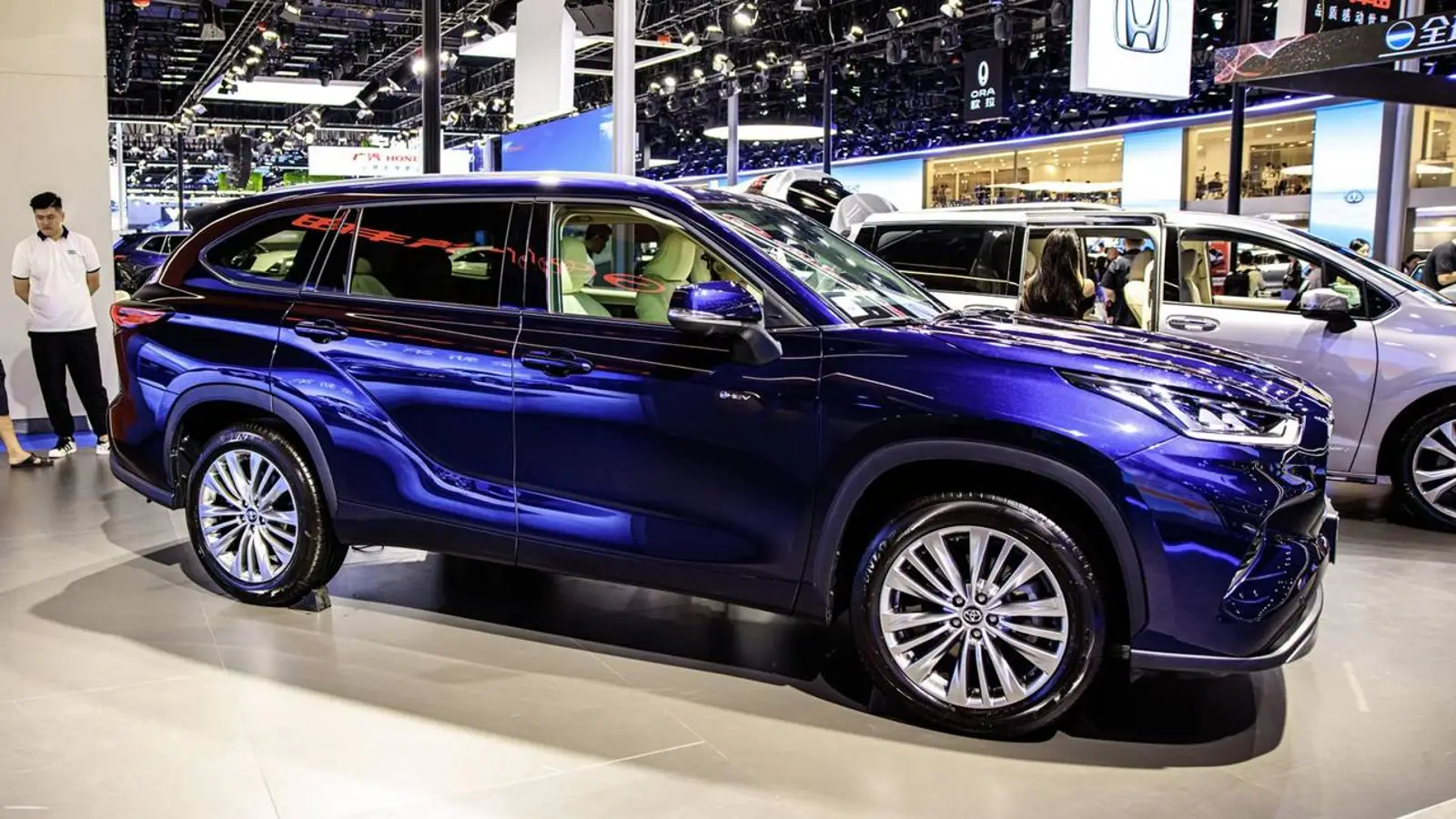
Assembled in Indiana, the three-row Highlander hybrid reaches Japan on August 1 at 8.6 million yen: right-hand drive, 247 hp and standard E-Four — with a paint-quality disclaimer attached.
Author: Polina Kotikova
Toyota is making an unusual turn for the Japanese market: the Highlander now reaches Japan not from a local plant but from Indiana in the United States. This is more than a line extension — it is part of a new reverse-import wave that certification has made easier, because cars already meeting US standards can enter the Japanese market without the previous amount of extra testing.
Sales start on August 1. The Highlander is priced at 8.6 million yen — roughly $59,000. For a Japanese buyer this is not a cheap family SUV but a large three-row hybrid with an unusual origin. One important detail: despite being built in the US, the crossover will be right-hand drive.
The mechanicals are familiar: a 2.5-liter hybrid setup with an electric motor delivers 247 hp, and E-Four all-wheel drive comes as standard. Inside there are seven seats, a panoramic roof, a JBL audio system and a color head-up display. Toyota clearly places the Highlander above ordinary family models but below the truly premium segment, where the buyer is already looking at Lexus.
There is also a caveat that Toyota spells out in advance in its paperwork. Because the car is produced as an export model, it may show minor paint differences, polishing marks or small surface features that do not affect safety or the way the vehicle works. Nissan has already used a similar warning for the US-built Murano, to lower in advance the expectations of Japanese customers used to a very strict local quality culture.
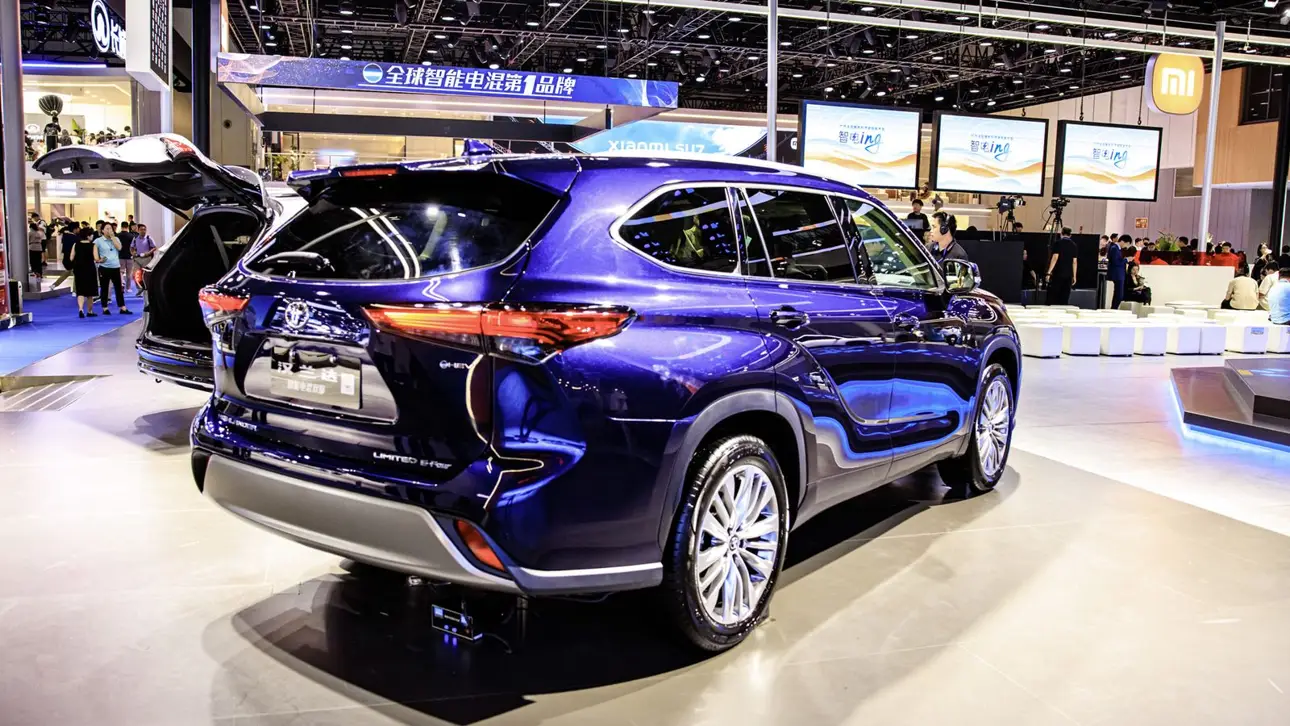
In its class the Highlander will have to measure up not only against the Lexus RX but also against large Chinese hybrids such as Li Auto, Aito, Voyah and Tank. The Chinese offer stronger multimedia and more equipment for the money, while Toyota leans on its reputation, residual value and a calmer reception on the used market.
The most curious point here is not the price but the change of direction: a Japanese brand is selling Japanese buyers an SUV made in the US, and is explaining in advance that it may be a little less “Japanese” in the details of its finish.
This English edition was prepared using AI translation under editorial oversight by SpeedMe. The original reporting is by Polina Kotikova
Latest Stories