Porsche Sport Chrono clock patent 2026: what it means for future dashboards
 © A. Krivonosov
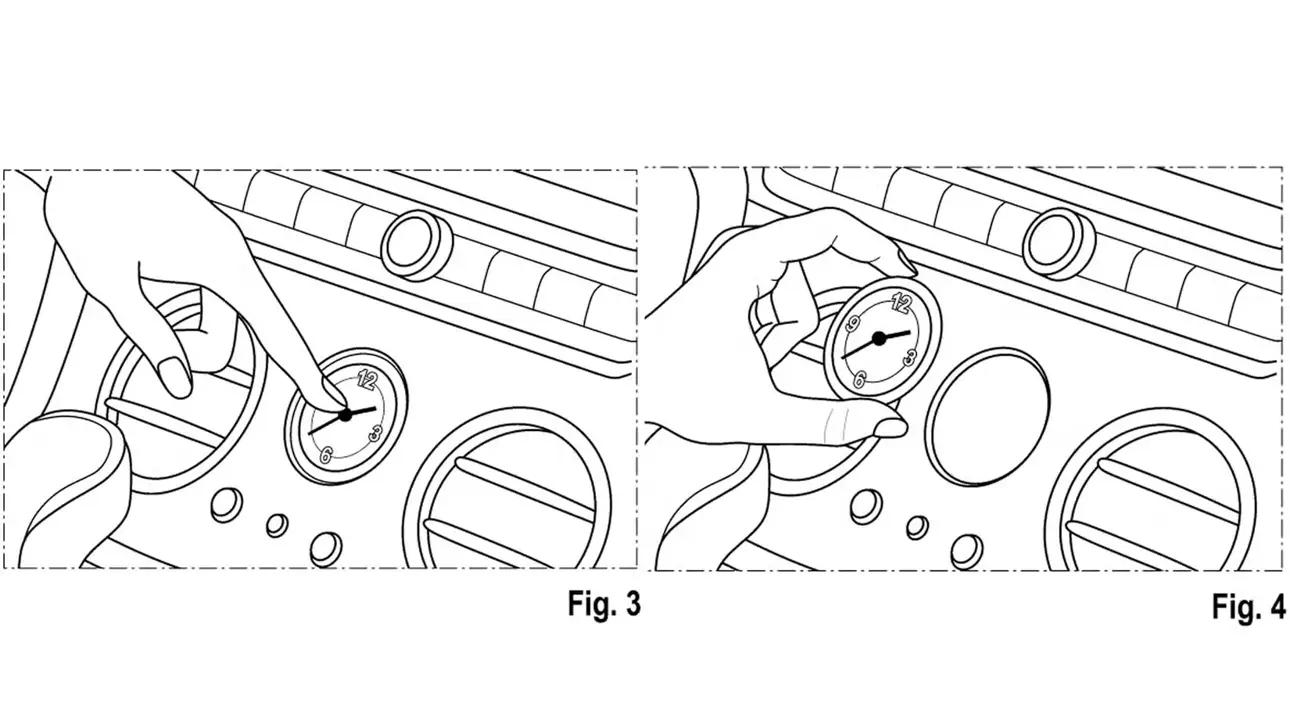
A DPMA filing shows Porsche protecting a physical Sport Chrono clock even as cockpits go all-digital. No model or timeline confirmed yet.
Author: Nikita Novikov
Porsche continues to defend a dedicated Sport Chrono clock at a time when instrument panels are turning into solid screens. SPEEDME journalists found no specific production model or rollout timeline in the German DPMA's public database, so the filing should be read as a reserve for future interiors, not a confirmed option on the next Porsche.
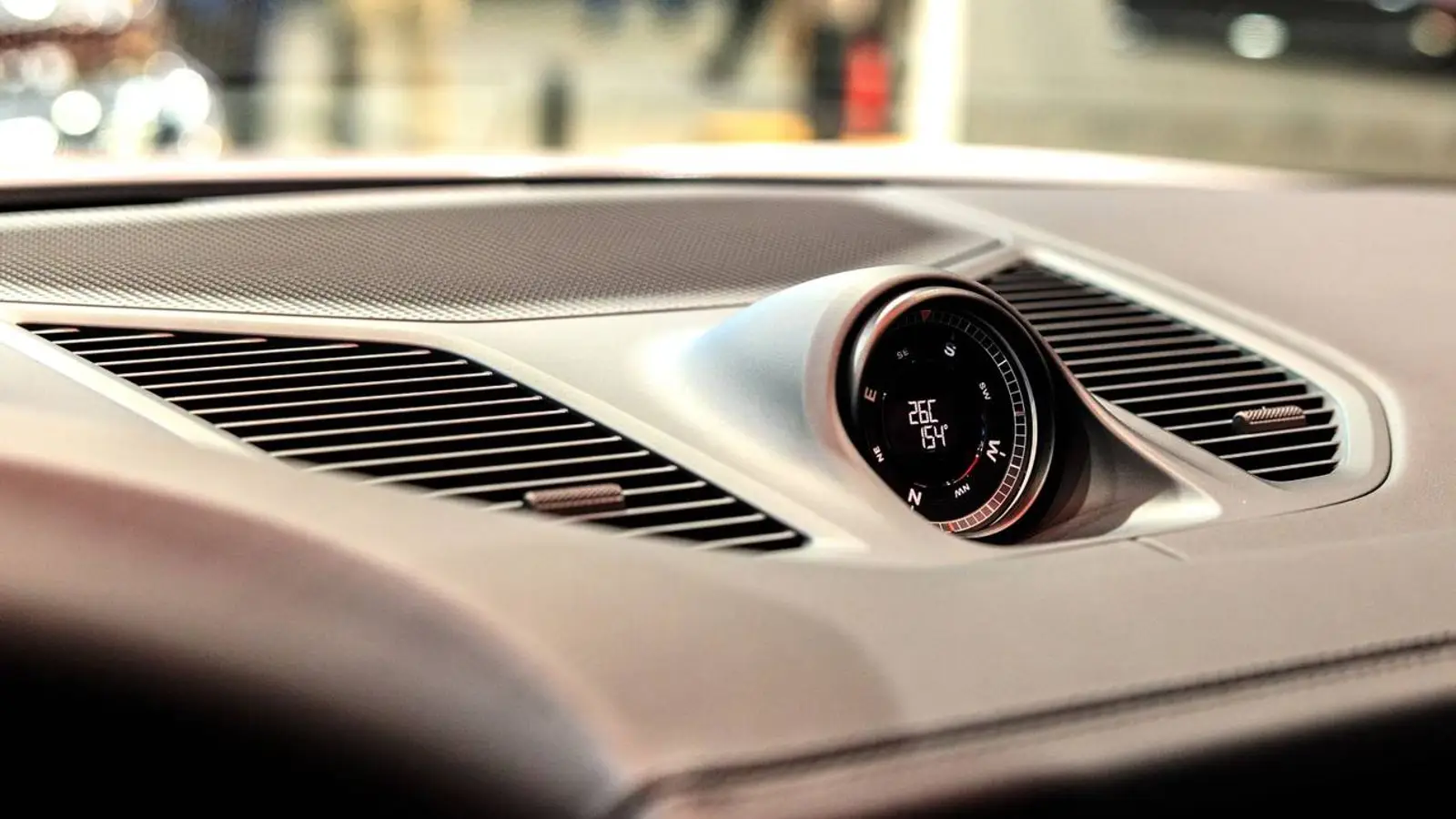
The central instrument is often mistaken for an ordinary analog clock, but it originally appeared as a stopwatch for timing laps. The Sport Chrono package later grew to influence engine, transmission, suspension, and exhaust settings. On today's 911, it also unlocks Sport Plus mode, Launch Control, and the Sport Response function, which briefly primes the powertrain for maximum output.
The patent is especially interesting against the backdrop of Porsche's shift to digital cabins. The new 911 already got a curved 12.6-inch digital instrument panel, yet the brand kept the separate chronometer as a visual marker of the sport package. It's one of the few physical elements that lets you spot a Sport Chrono-equipped car before you even start the engine.
This approach isn’t unique to Porsche, but the German brand has turned the clock into a defining part of its identity. SPEEDME.RU previously looked at modern cars that keep analog clocks despite the spread of displays. At Porsche, this element is additionally tied to vehicle-dynamics control, not just decorative styling.
The design has already evolved. In 2020, the Panamera gained the electric Porsche Design Sub Second clock with a metal dial, ceramic indices, Super-LumiNova coating, and lighting tuned for good legibility from different angles. The company simultaneously carried the automotive instrument’s design over to its wristwatch chronograph lineup.
For special series, the chronometer’s styling becomes part of the collectible value. In the 911 GT3 90 F.A. Porsche, Porsche styled it after the original Chronograph I. SPEEDME.RU covered this 90-unit limited sports car priced above €350,000.
The patent itself doesn’t guarantee a new instrument will appear on the 911, Cayenne, Panamera, or the electric Macan. Its market significance lies elsewhere: Porsche likely views the central clock as a recognizable brand element worth developing, not one to replace with another patch of big screen.
This English edition was prepared using AI translation under editorial oversight by SpeedMe. The original reporting is by Nikita Novikov
Latest Stories