Xiaomi Sky Nomad N90 Max and N70 Max 2026: specs, range and release date
 © xiaomiev.com
Xiaomi will unveil the Sky Nomad N90 Max and N70 Max on July 30 — extended-range SUVs with a 76 kWh battery and up to 505 km of electric-only range.
Author: Nikita Novikov
On July 30, Xiaomi will unveil its first two models in which the gasoline engine isn’t connected to the wheels at all and only generates electricity. Taking the stage will be the seven-seat Sky Nomad N90 Max, measuring 5,285 mm in length, and the five-seat N70 Max at 4,960 mm. Pricing and on-sale dates haven’t been announced yet — this is a technology showcase, not a full market launch.
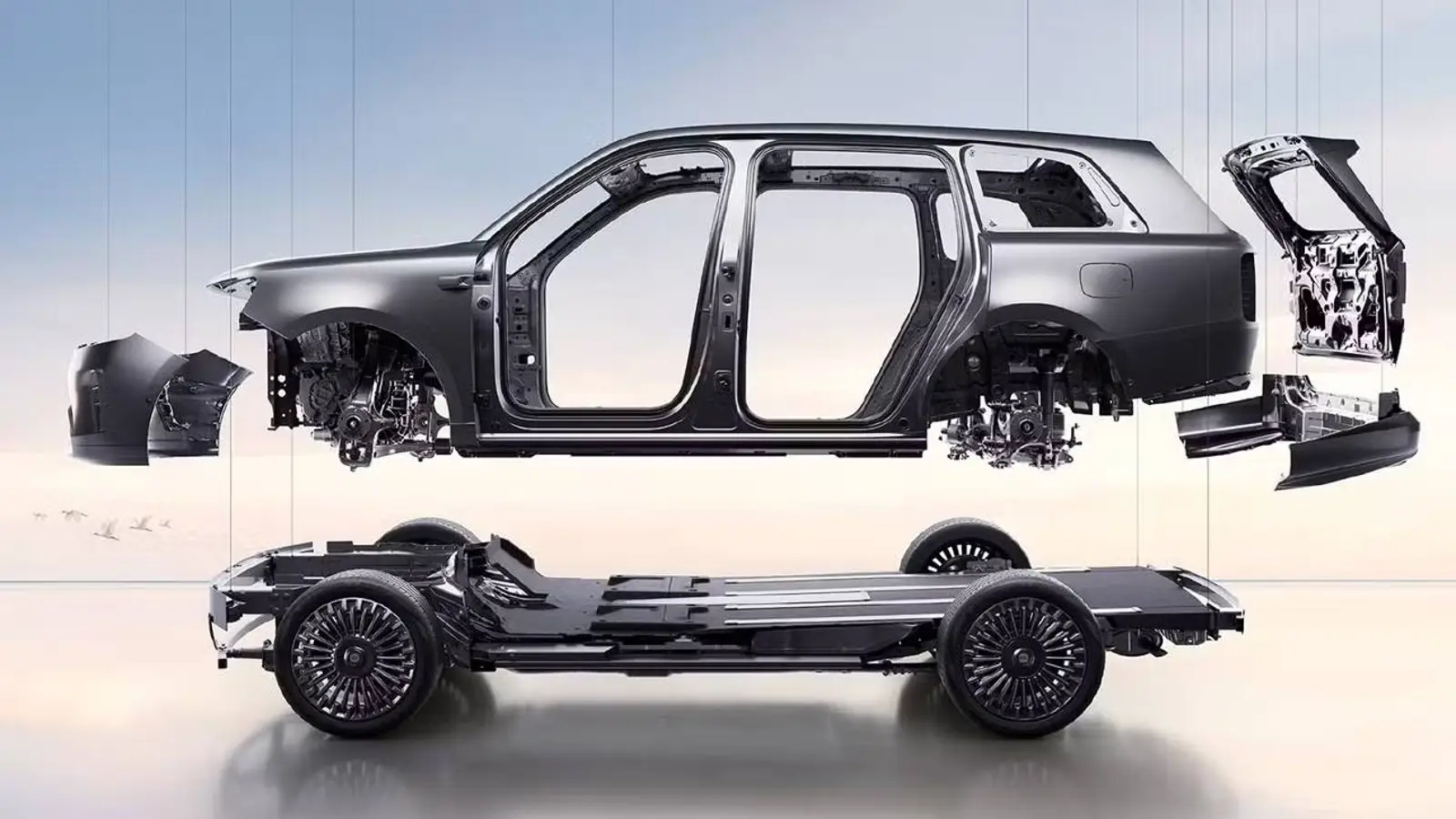
Sky Nomad has become Xiaomi’s second model series after the SU7/YU7 family, rather than a standalone car brand. The Kunlun architecture, in development since early 2023, features a flat floor, long seat rails and rotating front seats. When parked, the cabin can be turned into a workspace, a café, or an improvised lounge with a table between the rows.
Back in May, Speedme reported on the Kunlun project as Xiaomi’s first large family EREV crossover. The preliminary details are now more specific: the top battery capacity will be 76 kWh, with an electric-only range of up to 505 km on the CLTC cycle or up to 380 km on WLTP. With a depleted battery, fuel consumption is rated from 5.7 L/100 km.
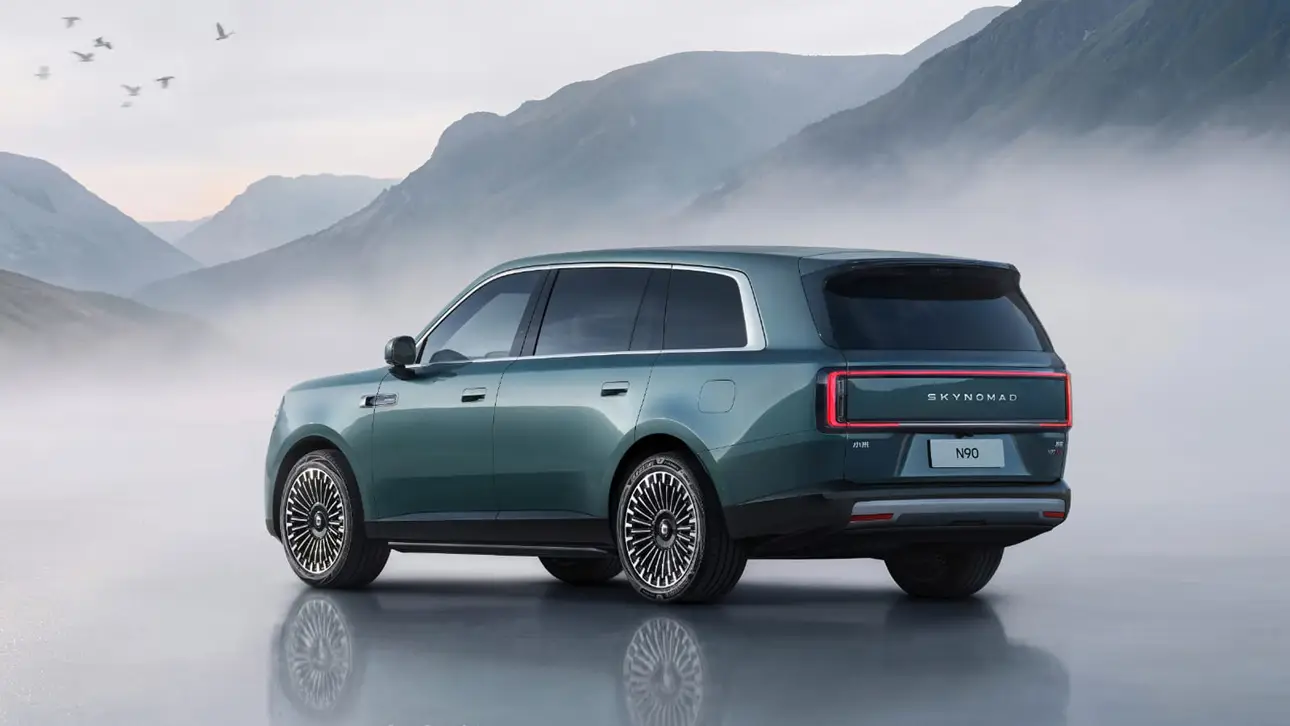
The N90 Max gets a 3,080 mm wheelbase and two electric motors rated at 210 kW and 100 kW. Combined output reaches 310 kW, or roughly 422 hp. The entry-level N70 comes as a rear-wheel-drive version with a single 210 kW motor, while the N70 Max uses the same dual-motor layout as the flagship. The 1.5-liter gasoline engine, built by Harbin Dongan, produces 112 kW — but its job is to feed the battery, not to drive the wheels directly.
Certification filings also revealed an N90 Max Camping Edition with a pop-up roof, projection equipment and a removable table. However, the roof can only be raised while parked and off public roads. This version’s weight reaches 2,840 kg, and the cabin seats five instead of seven.
Xiaomi’s entry into the EREV segment became possible after receiving approval from China’s Ministry of Industry. Speedme covered the significance of that decision back in June: the company needed a hybrid lineup to compete directly with Li Auto and Aito, especially in the large family SUV class. In 2025, those two brands accounted for seven of China’s ten best-selling series hybrids.
Ahead of the launch, Xiaomi ran 566 prototypes that covered 4.28 million km over 626 days, in heat, freezing cold, high altitude and humid climates. That scale of testing makes sense: an EREV is more complex than a pure EV, since it combines a combustion engine, a generator, drive motors, a battery and an energy-management system.
Xiaomi needs the new models to hit its target of 550,000 deliveries for 2026. In the first half of the year, the company delivered 185,055 vehicles — about 34% of that goal. In the second half, it will need to sell roughly 60,000 cars a month on average, which makes Sky Nomad not an experiment but a key tool for expanding its audience beyond the sporty SU7 and YU7.
This English edition was prepared using AI translation under editorial oversight by SpeedMe. The original reporting is by Nikita Novikov
Latest Stories