Mercedes-Benz Hydro CIRCAL Recycled Aluminium 2026: 75% Scrap Content Explained
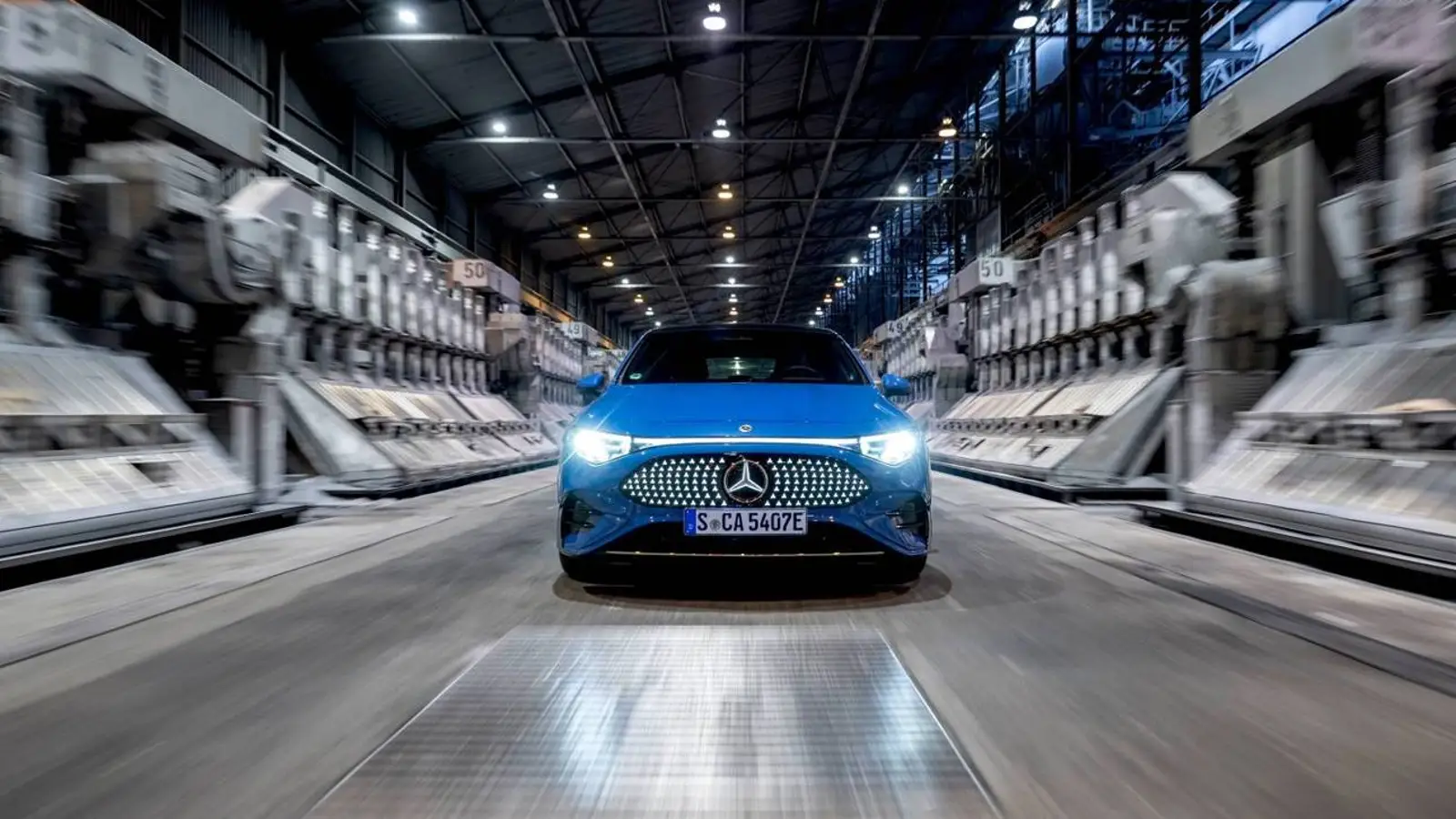 © media.mercedes-benz.com
Mercedes-Benz will use Hydro CIRCAL aluminium with at least 75% post-consumer scrap in its next-generation large EVs, cutting the material's carbon footprint by 88%.
Author: Nikita Novikov
Mercedes-Benz will triple the share of post-consumer recycled material in its aluminium supply — from around 25% to at least 75%. Hydro CIRCAL will go into series production in the next generation of the brand’s large electric vehicles. The company has not disclosed specific models, which parts are affected, or purchase volumes, so this is not yet a shift of the entire car to secondary metal.
The raw material comes from aluminium in scrapped cars, old buildings, infrastructure and other products that have already completed a full life cycle. For Hydro, post-consumer scrap is the key point — waste after use, not offcuts returned to the melt straight from production. Recycled content and the origin of each batch are documented, and the stated figures are independently verified by DNV.
“The next generation of automotive supply chains will be defined by transparency, circular economy and strong regional production chains. Together with Hydro, we are shaping this future. We are showing that sustainable supply chains and lower emissions go hand in hand and create long-term added value for our customers, our company and society,” said Mercedes-Benz AG’s head of procurement and supplier management, Yanni von Roy-Zsang.
The material’s main advantage shows up before the car is even assembled. The carbon footprint of European Hydro CIRCAL is around 1.9 kg of CO₂ equivalent per kilogram of aluminium — 88% below the global average for primary metal. Remelting old aluminium takes about 5% of the energy needed to produce new metal from ore. Hydro says CIRCAL meets the same mechanical and technical requirements as standard automotive alloys.
Mercedes-Benz is not abandoning primary aluminium entirely. The second part of the programme is Hydro REDUXA, produced using hydro and wind power. Its carbon footprint is around 4 kg of CO₂ equivalent per kilogram — roughly a quarter of the global average. Mercedes already uses REDUXA in select series components and plans to gradually increase purchase volumes.
“The automotive industry needs materials that can cut emissions without compromising quality, safety or performance. By combining recycled Hydro CIRCAL aluminium with lower-carbon primary Hydro REDUXA aluminium, we can speed up the shift toward lower-emission vehicles while building more resilient supply chains. This partnership shows how Hydro, as a leading supplier of recycled and low-carbon aluminium, can deliver solutions at industrial scale that support both decarbonisation and competitiveness,” said Hydro’s President and CEO, Eivind Kallevik.
The new metal is part of a broader overhaul of the electric lineup. SPEEDME.RU earlier rounded up ten major Mercedes-Benz debuts of 2026, including the electric C-Class, GLA and AMG GT. For the latter, the company has already started series production of axial electric motors in Berlin, so the work on carbon footprint now touches not only the powertrain but also body and chassis materials.
For owners, the shift to CIRCAL should not mean any loss of strength or safety, but it does not promise a direct saving on the price of a Mercedes either. The main benefit goes to the manufacturer itself: lower emissions in the supply chain, less dependence on primary raw material, and a shorter transport leg when recycling metal near European plants.
This English edition was prepared using AI translation under editorial oversight by SpeedMe. The original reporting is by Nikita Novikov
Latest Stories