Tata EV efficiency 2026: 106 Wh/km ranking explained
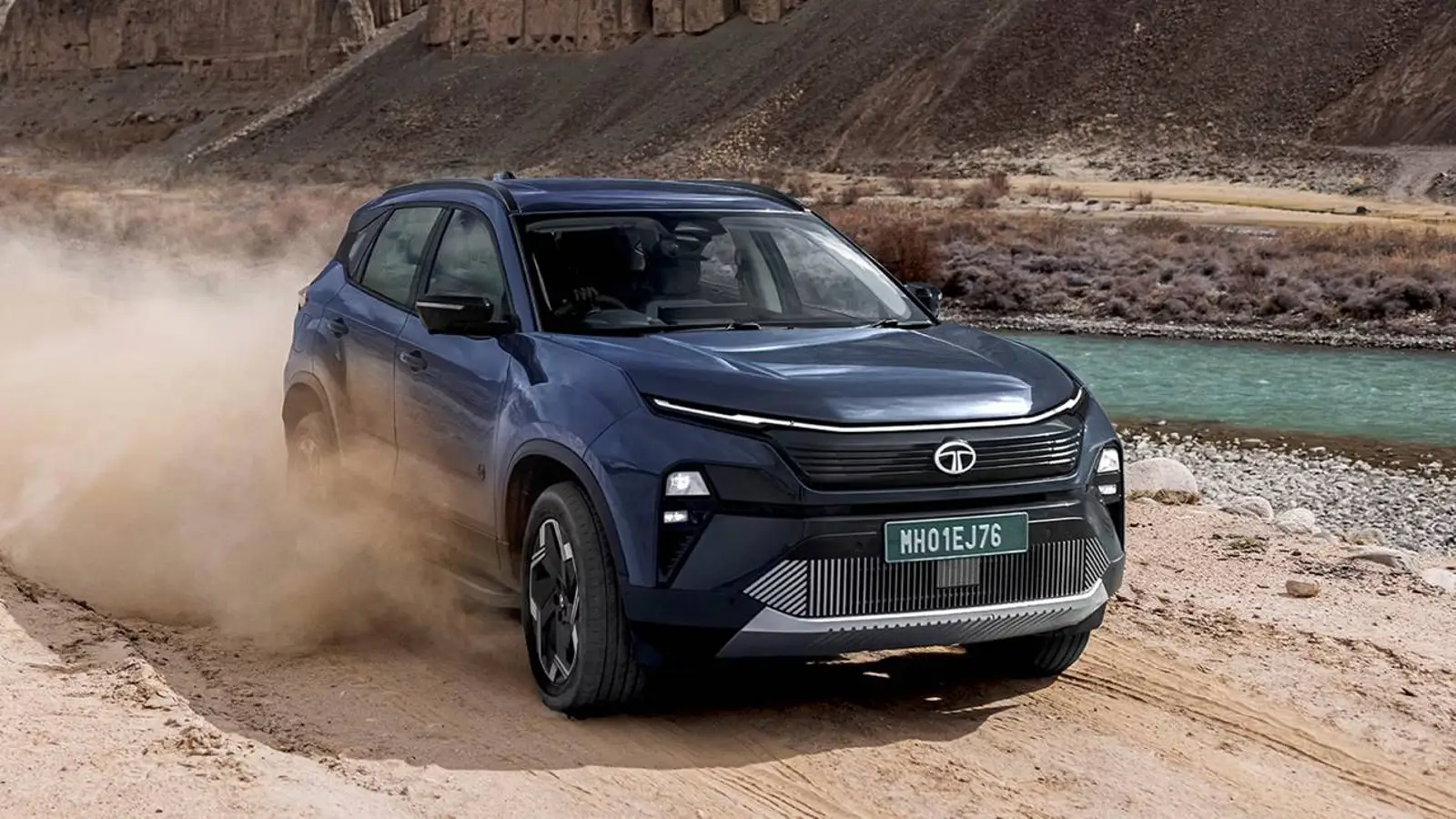 © tatatechnologies.com
Tata’s EV lineup averages 106 Wh/km, ahead of Tesla and BYD, per ICCT’s new efficiency ranking of 22 automakers — though Tata still trails on charging speed and range.
Author: Yulia Ivanchik
Tata’s electric vehicles averaged 106 Wh/km — or 10.6 kWh per 100 km — making it the most energy-efficient EV maker in a new global ranking, about 19% below the average of the 22 largest automakers. But topping the ICCT’s chart doesn’t mean Indian EVs are already more practical than Tesla and BYD in every scenario.
Mahindra took second place with 113 Wh/km — 11.3 kWh per 100 km. Tesla and BYD landed third and fourth. The average across all evaluated brands came in at 131 Wh/km.
There’s an important nuance here. The ICCT doesn’t measure real-world consumption for a single car — it calculates the average result across a manufacturer’s entire EV lineup, based on usable battery capacity and certified range across different markets. A brand that mostly sells compact, modestly powered crossovers gets an inherent edge over one building heavy three-row SUVs.
Efficiency doesn’t offset every shortcoming, either. In the same study, Tata ranked last for average charging speed and sixth from bottom for range. It’s an inverse relationship: a smaller battery cuts weight, price and energy use, but forces more frequent stops on a long trip.
Tata keeps expanding its Indian EV lineup — SPEEDME.RU previously reported on the upcoming Sierra EV, an updated Tiago EV and the Avinya. If the company holds consumption near 10.6 kWh per 100 km while speeding up charging, a smaller battery could become a genuine pricing advantage. For now, the ranking confirms careful energy use — not overall leadership across every consumer metric.
This English edition was prepared using AI translation under editorial oversight by SpeedMe. The original reporting is by Yulia Ivanchik
Latest Stories