EV Fast Charging 2026: Hongqi, Lynk & Co and BYD Compared at 10–97%
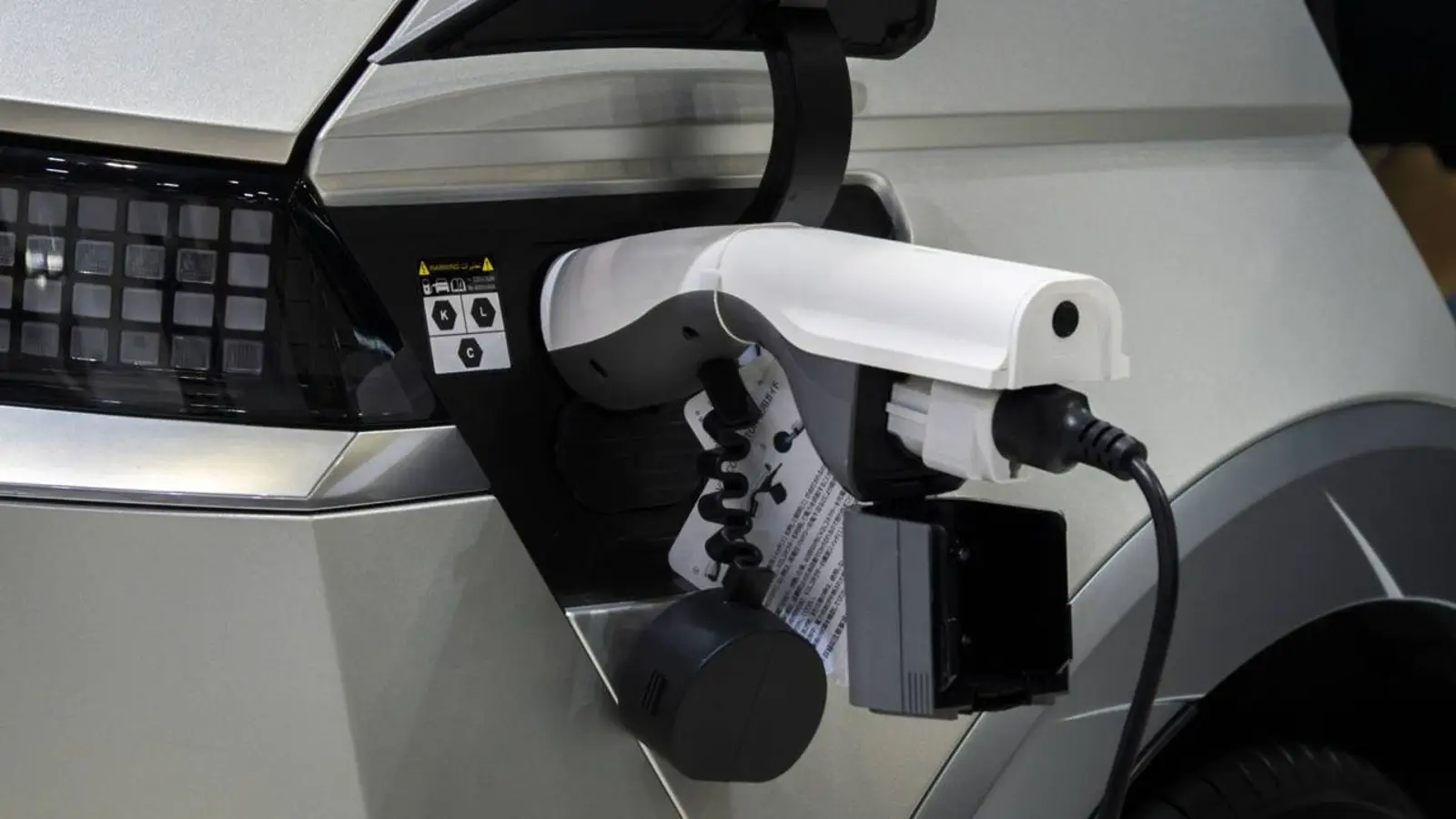 © A. Krivonosov / SPEEDME
Hongqi's prototype battery beats Lynk & Co and BYD on a 10–97% charge, but only Lynk & Co's result runs on a real car today.
Author: Boris Naumkin
Hongqi posted the fastest result on a matched interval: its experimental battery went from 10% to 97% state of charge in 8 minutes 3 seconds. Lynk & Co 10 needed 8 minutes 42 seconds, and BYD's Flash Charging system took nine minutes. Still, these numbers don't crown a winner among production EVs yet: Hongqi tested a standalone battery, while the other brands used different cars, chargers and test methods.
SPEEDME compared the manufacturers' official claims with published tests. Only three results share the same 10–97% interval, making them directly comparable.
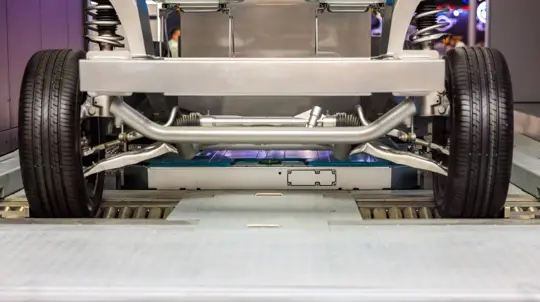
Hongqi's battery, developed by China FAW together with Lishen Battery, was tested at around 25°C. Charge level climbed from 10% to 70% in 3 minutes 41 seconds and to 97% in 8 minutes 3 seconds. Peak charging rate hit 12C. The company hasn't yet named a production model, battery capacity, or a timeline for reaching customers.
Lynk & Co 10 charged from 10% to 70% in 4 minutes 22 seconds, to 80% in 5 minutes 32 seconds, and to 97% in 8 minutes 42 seconds in a public test. Peak power reached around 1,100 kW, and the system kept pulling over 500 kW for a while even past 80%. The test required Zeekr's megawatt-class V4 charger.
SPEEDME already covered this Hongqi charging record against BYD and CATL: the result beat BYD by 18 seconds, though mass rollout timing for Zeekr V4 chargers was unknown at the time.
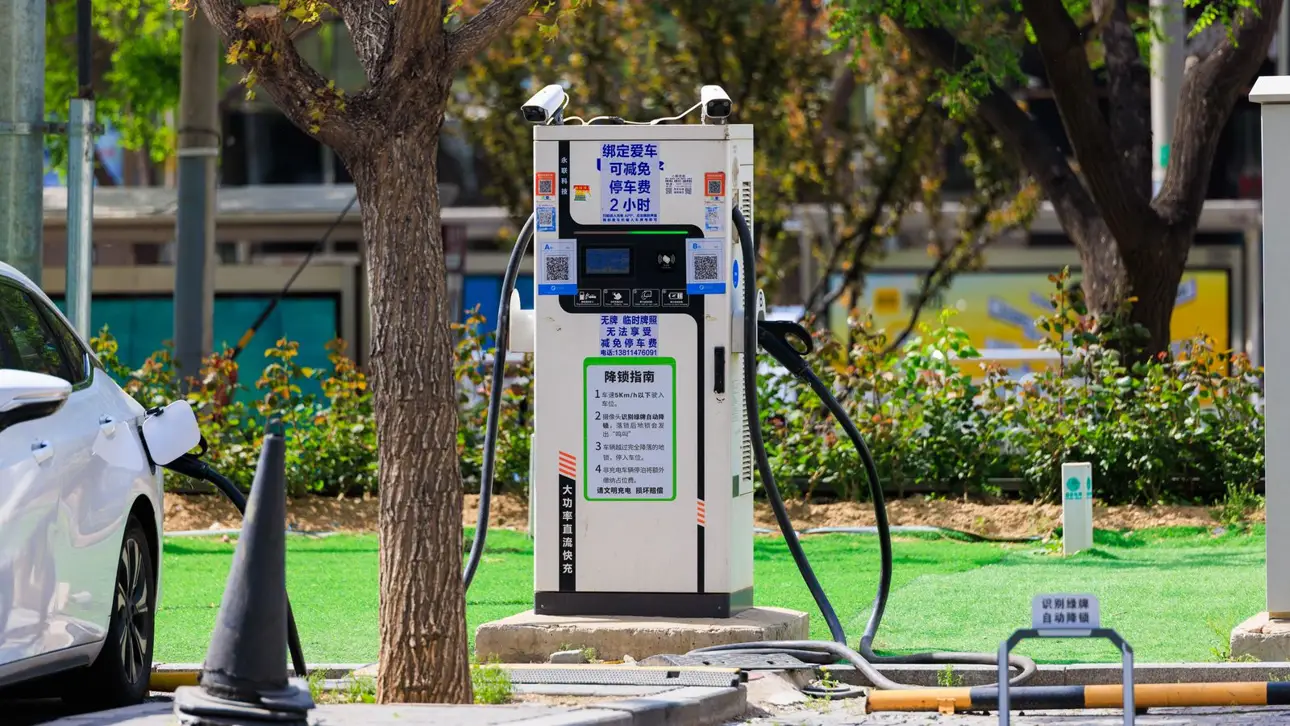
BYD claims five minutes for the 10–70% interval and nine minutes for 10–97%. What matters here isn't just the car's result but the charging infrastructure: BYD's proprietary station delivers up to 1,500 kW per connector, and by the end of 2026 the company aims to build 20,000 Flash Charging points across China. Network scale may end up mattering more than a few seconds' difference between rivals.
Zeekr 001 works on a different benchmark interval. The version with a 900-volt architecture, a 95 kWh Golden Brick battery, and 12C support charges from 10% to 80% in about seven minutes. A public test recorded a peak of 1,266.4 kW, though that figure came from a user demonstration rather than an independent certification protocol.
Li Auto MEGA looks more modest on peak power — up to 520 kW — but the automaker frames its result in terms drivers can actually picture: up to 500 km of CLTC range in ten minutes. It can't be compared directly with the percentages Hongqi or BYD cite, since range depends on test methodology, consumption, and starting battery level.
A record power figure doesn't mean a car pulls that much for the whole session. As the battery fills, the system throttles current to keep temperature and voltage in check. SPEEDME previously reported how during a BYD Flash Charging 2.0 cold test at −30 °C battery temperature drew users' attention: speed without thermal data only tells half the story.
On a real trip, four factors matter: the charge interval, average power, battery temperature, and what the charger can actually deliver. An EV rated for 1,500 kW can't pull more than a 150 kW charger is able to provide.
On the matched 10–97% interval, Hongqi's experimental battery currently leads. Among solutions closer to production use, Lynk & Co edges out BYD by a matter of seconds, but BYD counters with an announced plan for mass charging network buildout. So the practical winner won't be decided by a lab stopwatch, but by how many stations let a driver actually reproduce the claimed result.
This English edition was prepared using AI translation under editorial oversight by SpeedMe. The original reporting is by Boris Naumkin
Latest Stories