Tokyo German Village RoboBus Trial 2026: Specs, Rollout Phases and Launch Timeline
 © EBYP
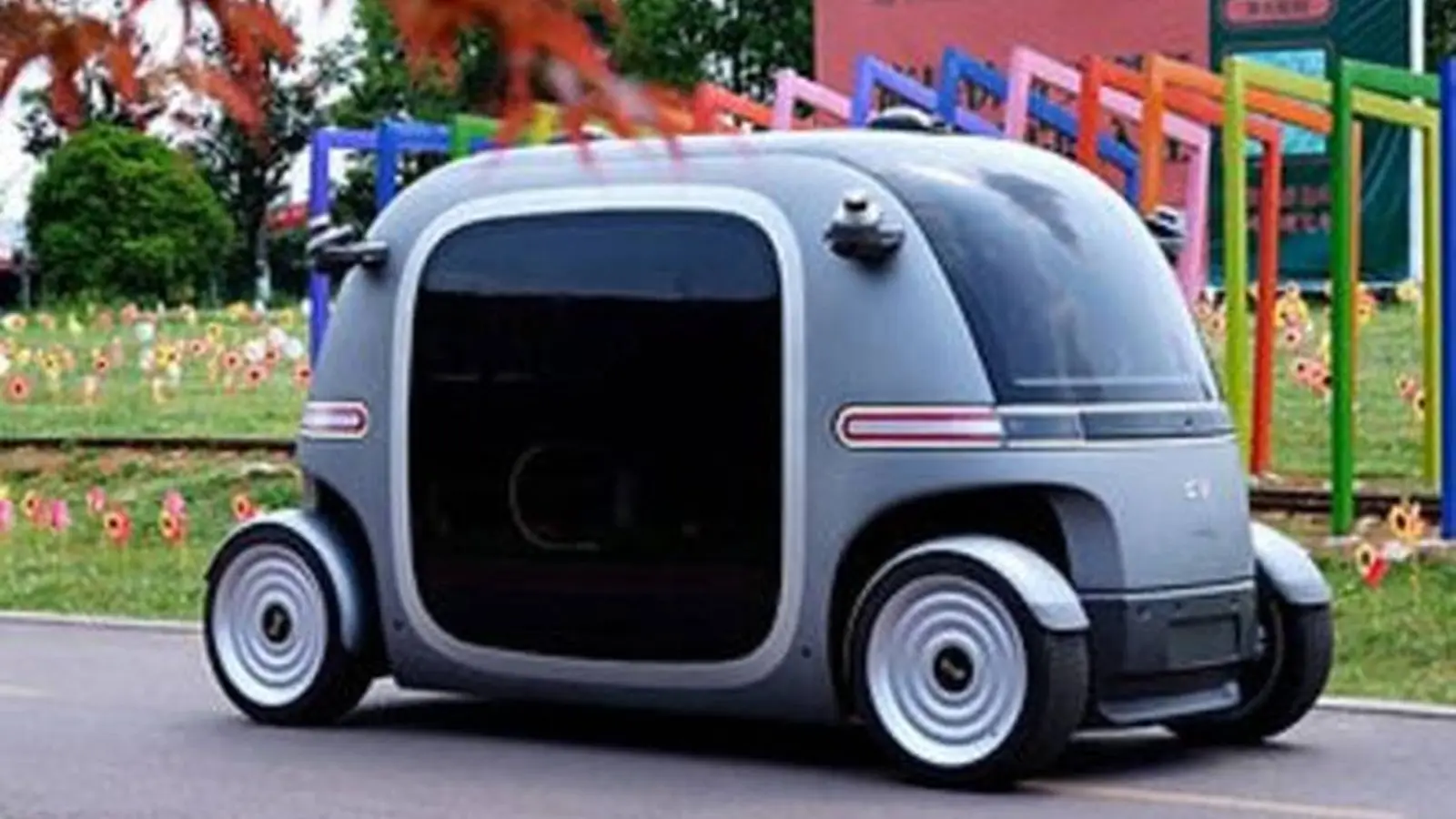
Tokyo German Village is testing a six-seat autonomous RoboBus that shuttles visitors by day and patrols the park after closing, with passengers only joining in phase three.
Author: Dmitry Novikov
One six-seat electric bus in Japan is being asked to work two very different shifts: shuttling visitors during the day and patrolling the grounds after closing. At Tokyo German Village in Chiba Prefecture, an autonomous RoboBus without a traditional driver’s seat has been undergoing trials since August. But this is still an experiment — visitors won’t be allowed on board until the third phase.
The project is run by Tokyo German Village and the company E by P, and the vehicle itself was built by Pixel Intelligence, PIX Moving’s Japanese division. The test unit is specced with a 32 kWh battery, a range of 100–140 km, six passenger seats and fast charging in roughly an hour. The park’s partner also lists a capped top speed of 19 km/h, which fits a closed-off site full of pedestrians, attractions and rest areas.
The interesting part here is the rollout order. First, RoboBus has to operate after the park closes and gather data for a future security patrol. Then it will run during the day without passengers: the program calls for collecting daytime operating data and testing the charging routine with two roughly hour-long stops. Only in the third phase does full round-the-clock operation begin — by day the bus will carry passengers between the entrance, the flower fields, the attractions, the BBQ area and the illumination zones, and outside park hours it will patrol the grounds.
It’s too early to call the current stage fully driverless commercial operation. E by P’s release is explicit that at every stage there’s a monitor on board who can bring the vehicle to an emergency stop. At the same time, Tokyo German Village’s own release describes the night phase as fully autonomous patrolling — so the real status of unmanned operation still needs confirming.
RoboBus has already been shown to the public in Japan: in February 2026, at an event at TAKANAWA GATEWAY CITY, the six-seat shuttle carried passengers with an operator on board, with the developer pointing to Level 4 as the system’s target. What sets this project apart isn’t the vehicle itself but the scenario: one autonomous vehicle being asked to work almost around the clock instead of running a separate tourist shuttle and a separate security platform.
The experiment fits into a broader Japanese shift from demonstrations to specialized services. Osaka has already built a dedicated base to prepare newmo robotaxis for commercial launch in 2028, where cars are gathering data for the autonomous system. In parallel, Japan’s T2 is preparing Level 4 self-driving trucks to hit highways starting in 2027 — autonomy is gradually splitting into specific niches: taxis, logistics, and now closed tourist sites.
For Tokyo German Village, the next real milestone isn’t another RoboBus demo but letting ordinary visitors on board in phase three. That’s when it will become clear whether the passenger mode and the night patrol can actually work in a single operating cycle.
This English edition was prepared using AI translation under editorial oversight by SpeedMe. The original reporting is by Dmitry Novikov
Latest Stories