XPENG YOYO robotaxi: GX platform, 3,000 TOPS and how the service works
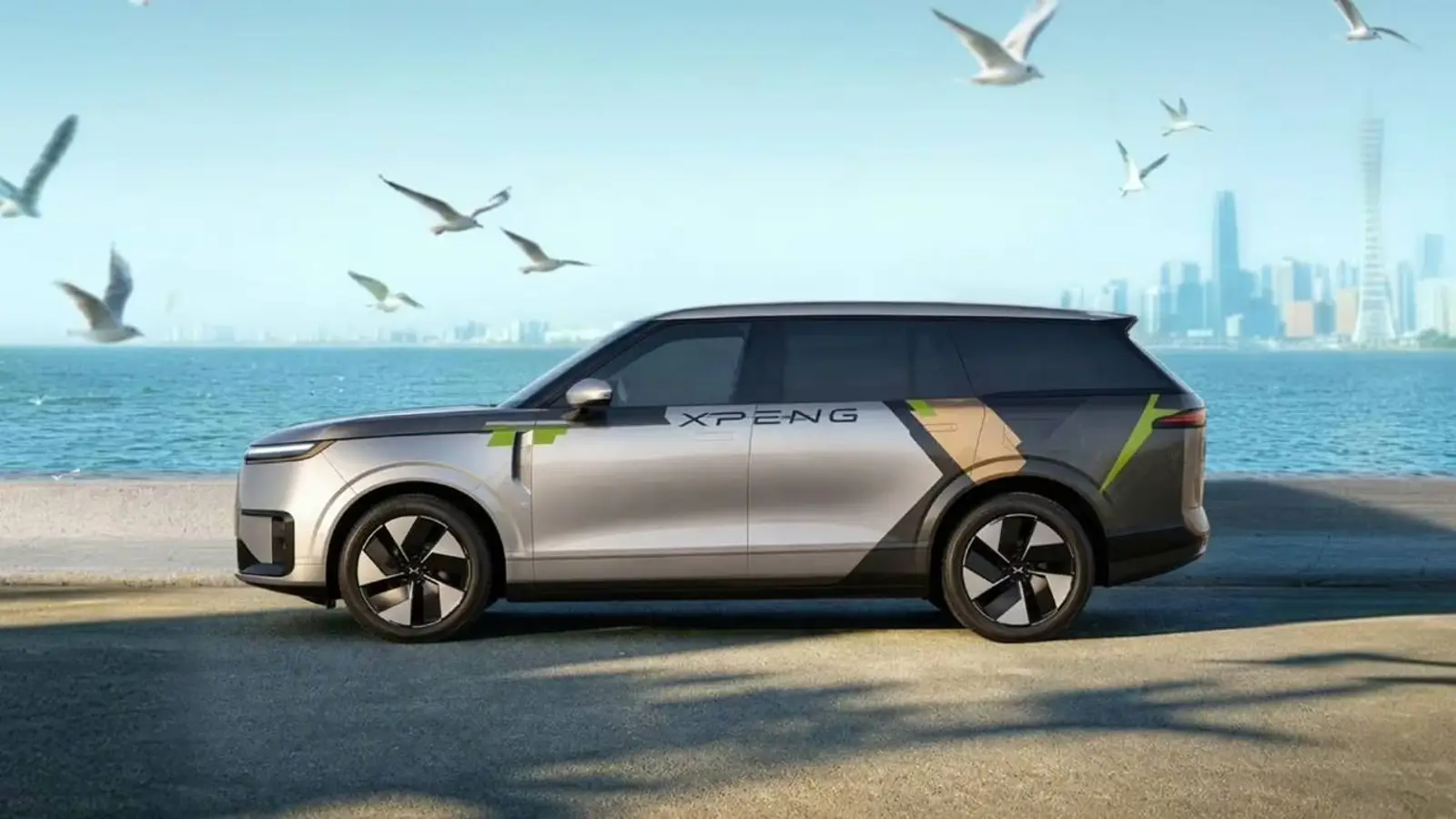 © xpeng.com
XPENG has launched the YOYO robotaxi service, opening invited testing after more than 2,200 internal orders. GX-based cars use four Turing AI chips with up to 3,000 TOPS.
Author: Nikita Novikov
More than 2200 internal test orders, a ready-to-use ride-hailing mini app and the ability to set the cabin climate before pickup. On October 8, Chinese automaker Xpeng officially introduced its robotaxi service under the name XPENG YOYO and began expanding the test program. Users outside the company can already receive invitations and book rides through the mini app, although mass commercial operation has not started.
Along with the new name, the company launched the mini app for booking driverless rides. Passengers can choose the cabin temperature before getting in, switch on the fragrance system and select a music style in advance. Xpeng is therefore moving from testing vehicle motion to testing a complete service, including booking, dispatch and passenger interaction.
YOYO is based on the flagship Xpeng GX. The vehicle was developed for SAE Level 4 autonomy and uses four in-house Turing AI processors with combined effective computing power of up to 3000 TOPS. Cameras and Xpeng's VLA 2.0 AI model are used to understand the road environment. The developers have dispensed with lidar and high-definition maps.
This architecture was already known in May, when Xpeng rolled out the first production Robotaxi based on the GX. The company is now testing not only the technology itself but also the vehicle's ability to work as a full passenger service.
In August, Xpeng said it had completed more than 2000 internal orders in Guangzhou, and by October the number had exceeded 2200. The company also developed a cloud-based remote-intervention platform and received permission for remote road testing in Guangzhou, allowing tests on designated roads without a safety operator inside the vehicle.
For 2027, Xpeng says its goal is to move to passenger operations without a safety employee inside the car. For international expansion, the company is focusing mainly on cooperation with mobility operators and technology partners, offering them the vehicle platform, autonomous-driving software and its own AI technologies.
The company is also developing a separate role as a technology supplier. Xpeng plans to offer overseas automakers and other partners its electronic architecture, cockpit systems, Turing AI technology, driver-assistance software and other solutions. The YOYO program extends this approach to autonomous passenger transport.
For now, the service is focused primarily on China, with external testing expanding by invitation. Xpeng has not named specific overseas cities, a date for broad public access or fares. The next major test will be a wider rollout to external users and progress toward the stated 2027 goal of operating without a safety operator in the vehicle.
This English edition was prepared using AI translation under editorial oversight by SpeedMe. The original reporting is by Nikita Novikov
Latest Stories