New Mazda CX‑30 (2030): Launch Timing and What Changes From the CX‑5
 © A. Krivonosov
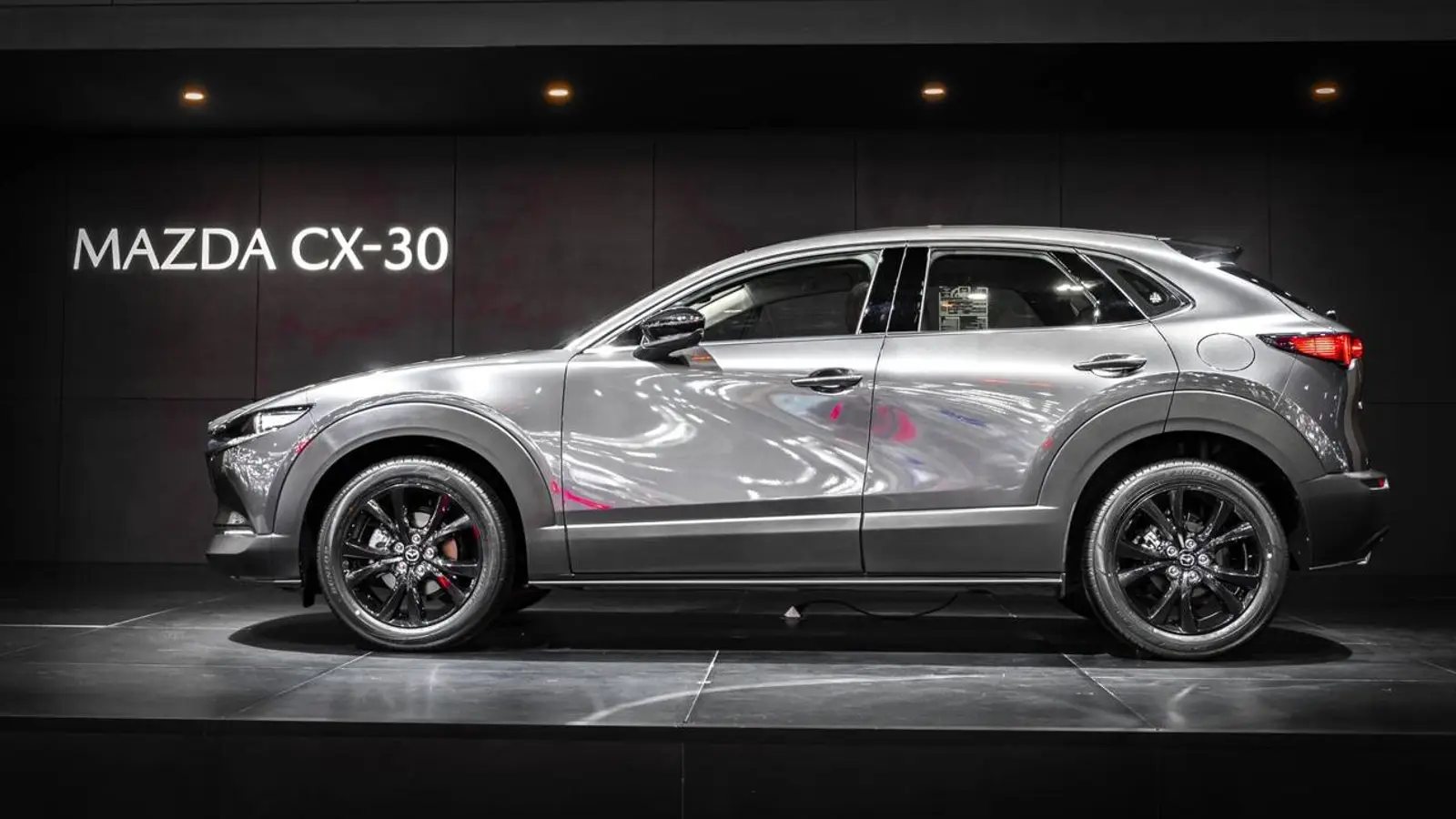
Mazda CEO Masahiro Moro says the next CX‑30 will use methods from the redesigned CX‑5, with launch expected around fiscal year 2030.
Author: Polina Kotikova
The current Mazda CX‑30 could stay in showrooms for more than a decade in its first generation — and that’s no longer just a guess about an aging model. Mazda CEO Masahiro Moro confirmed to Japan’s Chugoku Shimbun that a successor is in the works, telling the paper: “We will incorporate the methods used for the new CX‑5 into the next‑generation CX‑30.” The launch is expected around fiscal year 2030 — meaning by March 2031, based on the Japanese fiscal calendar.
That puts recent updates to the current CX‑30 in a different light. On July 23, Mazda officially expanded the Japanese lineup with a new e‑SKYACTIV G 2.5 engine, an Air Edition trim, front seat ventilation, an upgraded surround‑view system and refined driver assists. Sales of the updated cars begin in August 2026. In other words, the automaker is still investing in a first generation that has several years of market life left.
The CX‑30 has been on sale since 2019 and remains one of the brand’s key models: according to figures cited by CarExpert and attributed to Mazda, 200,646 units were sold last year, and by global demand the crossover trails only the CX‑5 in the brand’s lineup. If the generational change really does land around fiscal 2030, the first generation’s life cycle will run past a full decade.
Moro’s comment about “CX‑5 methods” matters more than it might seem. Mazda developed the third‑generation CX‑5 without a fully new platform: the car gained a wheelbase stretched by 115 mm, a new E/E Architecture+ electronics platform, larger displays and a reworked layout. That approach is exactly what lets the brand refresh a model’s key attributes without paying for an all‑new architecture from scratch.
That’s especially relevant for the CX‑30 given the current car’s tight rear seat. Drive suggests the next body could grow larger, and also links the model to Mazda’s upcoming in‑house hybrid system based on SkyActiv‑Z. But there’s an important line here: Mazda hasn’t confirmed either the size of the second‑generation CX‑30 or its hybrid powertrain. So calling SkyActiv‑Z HEV a confirmed engine for the new crossover would be premature.
The timing can’t be pinned to one single year either. Drive frames the Japanese report as a 2029–2030 window, while CarExpert writes about a launch by March 2031 — essentially the same fiscal 2030 target, just phrased differently. The original Chugoku Shimbun interview isn’t accessible for independent verification through open search, and Mazda hasn’t published its own CX‑30 product roadmap. The right takeaway for now is a generational change around fiscal 2030, not a guaranteed debut in calendar 2029 or 2030 specifically.
For now, Mazda is effectively building a bridge to the successor through gradual updates to the current car. The next meaningful milestone won’t be another CX‑30 trim level — it will be the official reveal of the second generation’s platform and powertrains.
This English edition was prepared using AI translation under editorial oversight by SpeedMe. The original reporting is by Polina Kotikova
Latest Stories