Waymo Munich: Testing Timeline and When Robotaxi Rides Will Start
 © RusPhotoBank
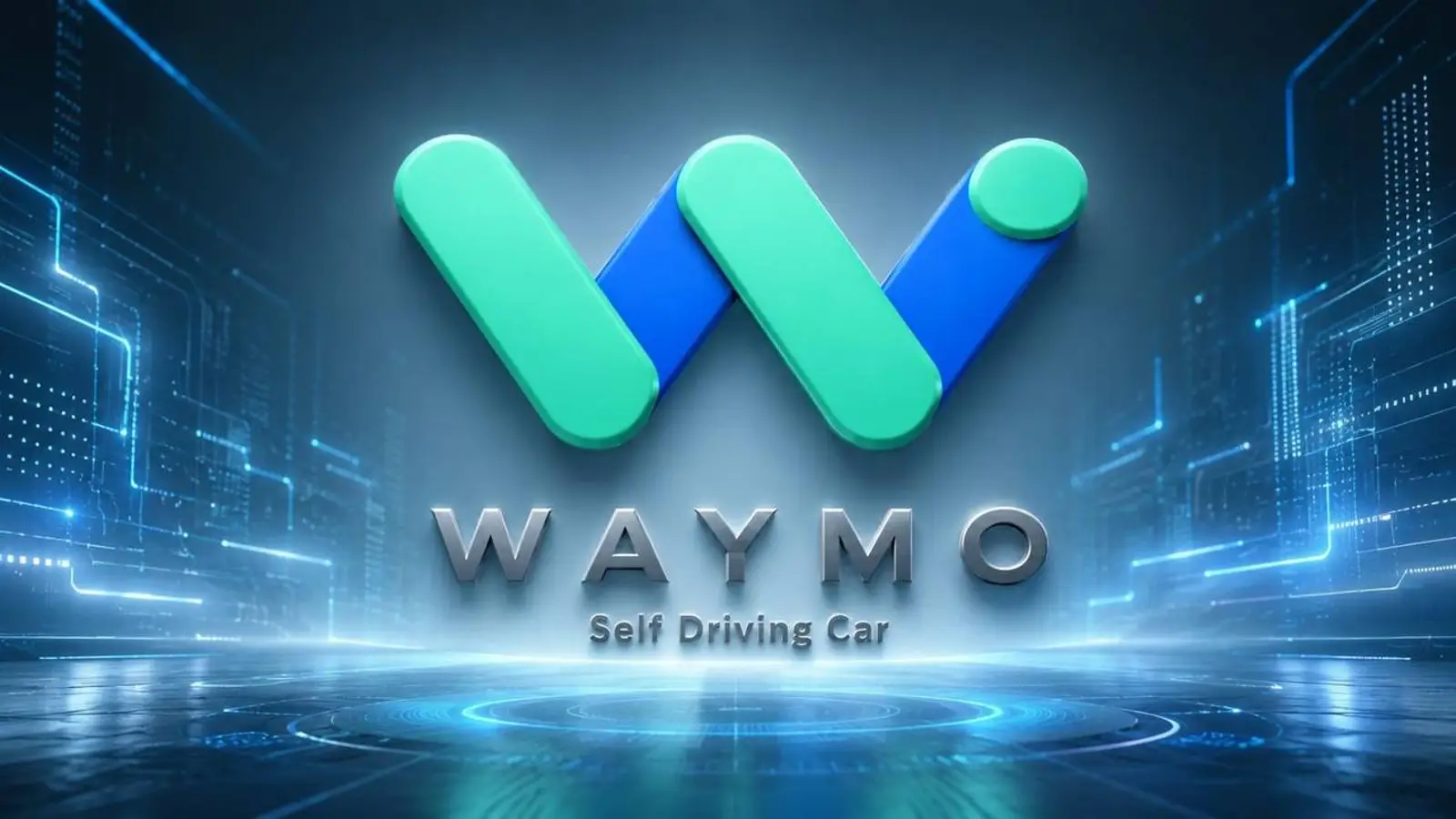
Waymo is preparing to launch driverless rides in Munich, its first EU market. Testing begins with human drivers; commercial service targets late 2027.
Author: Nikita Novikov
Spotting a Waymo on the streets of Munich will soon be possible, but calling one instead of a taxi is still a long way off. In the coming weeks, the company will begin around-the-clock testing in the city, with the first stage carried out by a human behind the wheel. A fully autonomous commercial service is only planned to open toward the end of 2027.
That is an important clarification to the news about the “start of driverless testing.” Waymo specialists will first drive the streets manually to build a high-definition map. Autonomous rides with a trained safety operator in the driver’s seat will follow, and only after the system has been validated is a transition to driverless operation planned. Commercial passengers will not be accepted at the current stage.
The test zone itself is sizeable: Waymo lists Altstadt-Lehel, Maxvorstadt, Schwabing, Bogenhausen, Sendling, Moosach and a number of other districts. Vehicles are set to be on the road 24 hours a day, seven days a week, so the system encounters a wide range of traffic conditions. Testing is to be carried out under the requirements of the KBA (Germany’s Federal Motor Transport Authority) and German autonomous-driving law.
For the algorithms, Munich looks noticeably different from the American cities where Waymo already operates commercially: denser bike traffic, more pedestrians, narrow historic streets and more complex right-of-way situations. That is exactly why having working technology in the US doesn’t mean the company can simply bring the cars over and remove the driver.
Waymo says its vehicles have already covered more than 350 million kilometers fully autonomously and complete hundreds of thousands of commercial rides a week. The company still has to secure the necessary approvals from local, state and federal authorities in Germany, so the end-of-2027 target remains a goal rather than a guaranteed launch date.
This English edition was prepared using AI translation under editorial oversight by SpeedMe. The original reporting is by Nikita Novikov
Latest Stories