Chinese cars in the US: Trump, imports and connected-vehicle restrictions
 © whitehouse.gov
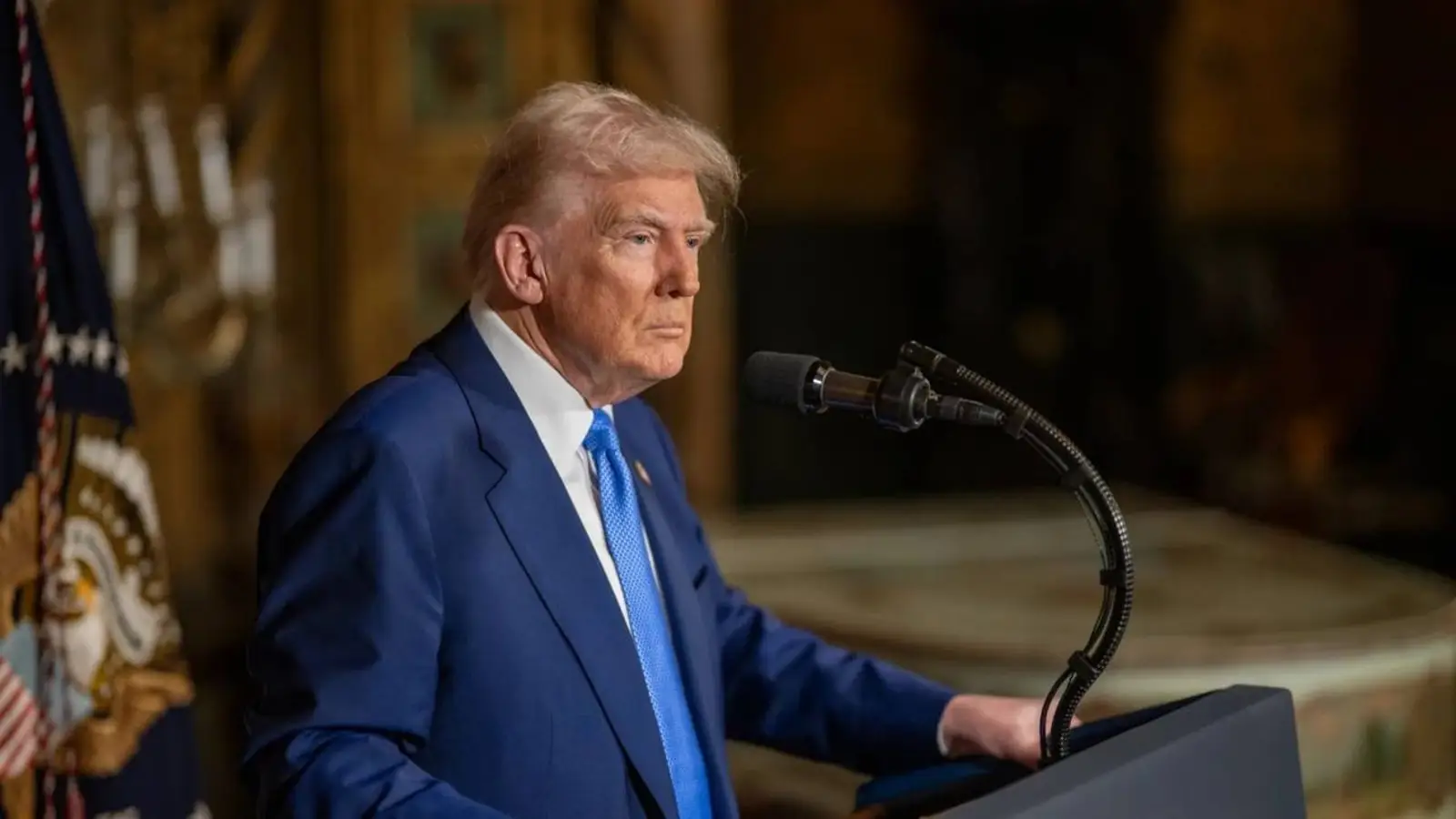
Donald Trump denied a report that Chinese cars could soon be admitted to the US market, while saying Chinese automakers would be welcome if they build plants and hire workers in America.
Author: Nikita Novikov
Michigan Senator Elissa Slotkin said she had heard rumors that Chinese cars could be allowed onto the US market as part of a broader deal with China. She did not identify the source of the information, however, and presented no official decision to open the market. That means the story cannot be treated as confirmation that Chinese brands are preparing to launch in America. That was also the basis of the conclusions drawn by The Truth About Cars and other US media outlets.
There is a more serious obstacle than tariffs. The US Department of Commerce has already introduced a rule for connected vehicles. From model year 2027, it restricts the import and sale of vehicles using covered VCS and ADS software linked to China or Russia. From the same model year, manufacturers with a sufficient nexus to China or Russia cannot sell new connected vehicles in the US even if those vehicles are built on American soil. Restrictions on VCS hardware are fully phased in from model year 2030.
This barrier exists separately from tariff policy. As a result, lower duties alone would not give BYD, Geely, Chery or other Chinese manufacturers unrestricted access to the market. Existing national-security rules would also have to be changed, or the companies would need to obtain any authorizations available under those rules.
Another important correction concerns the Connected Vehicle Security Act. It is sometimes claimed that the bill unanimously passed the Senate. In fact, the Senate Commerce Committee unanimously approved it on July 22 and sent it to the full Senate for consideration. It has not yet become law.
Donald Trump did say on January 13 that he would welcome Chinese companies if they built factories in the US and hired American workers. On September 11, he repeated that position: he said he would not object to a Chinese factory in the US, while calling the rumor that Chinese cars were about to be admitted to the American market false. Building cars in the US and allowing finished vehicles to be imported from China are fundamentally different scenarios.
Chinese manufacturers nevertheless have a genuine interest in the US. Chery has openly said it would like to enter the American market one day, but the company has not given a specific timetable.
So, as of September 12, the situation is this: Slotkin publicly warned about an unconfirmed rumor, while Trump publicly rejected it. No official announcement has been made about lifting the existing restrictions or newly allowing imports of Chinese cars into the US. The next thing to watch is any document from the White House, the Department of Commerce or USTR that actually changes tariffs or the rules for connected vehicles.
This English edition was prepared using AI translation under editorial oversight by SpeedMe. The original reporting is by Nikita Novikov
Latest Stories