Lucid and Bolt robotaxi project in Europe: 25,000 Level 4 electric cars
 © A. Krivonosov
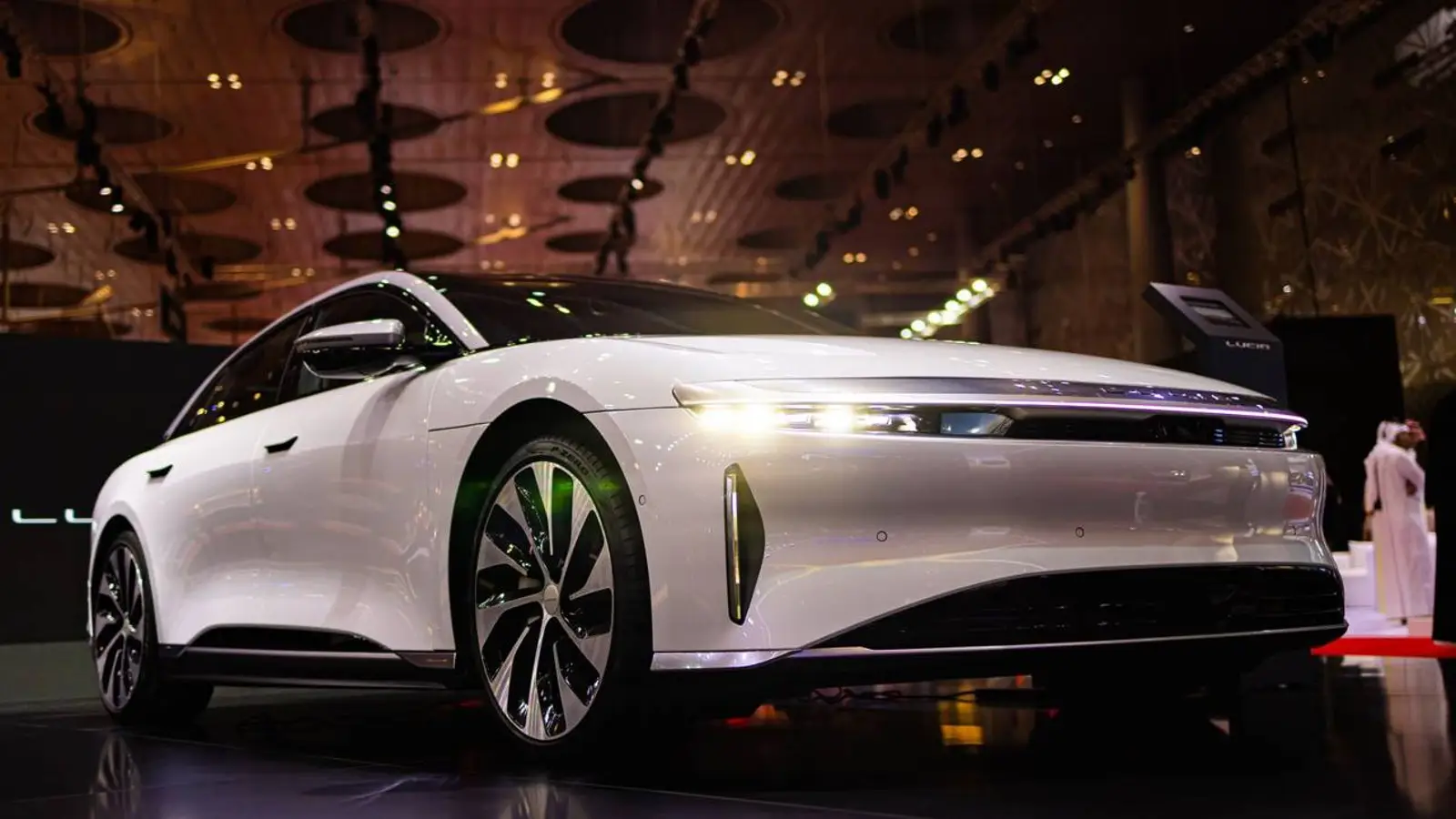
Bolt and Lucid plan at least 25,000 autonomous EVs in Europe using the Lucid Midsize platform, NVIDIA Hyperion and SAE Level 4 automation.
Author: Nikita Novikov
Bolt plans to deploy at least 25,000 fully autonomous Lucid electric cars in major European cities. The companies have announced a joint robotaxi program built around the future Lucid Midsize platform. The vehicles will be prepared for SAE Level 4 autonomous driving.
A key detail of the project is that Bolt does not intend merely to connect third-party self-driving cars to its app. The company plans to own and operate the fleet itself, taking responsibility for infrastructure, operating systems, city partnerships, as well as safety and passenger-service requirements. Lucid, for its part, will adapt the vehicle platform for autonomous driving.
On the technical side, the companies have named the NVIDIA Hyperion architecture. Bolt has previously said it intends to use the platform as a basis for scaling autonomous transport in Europe. Hyperion combines high-performance computing systems with a standardized sensor suite for developing autonomous vehicles.
Level 4 means the system can perform the full driving task on its own within defined operating conditions and an approved area, without relying on a human driver to intervene. That limitation matters: this is not yet a vehicle that can drive itself anywhere and under all circumstances.
For Lucid, this is already its second major robotaxi project. The automaker is also working with Uber and Nuro on a program covering at least 35,000 Lucid vehicles for a global service, including the Gravity and future Midsize models. As part of that project, Lucid is adapting key control systems—steering, braking and acceleration—for autonomous operation.
The European program is taking shape amid growing competition. In Germany, Waymo is already preparing for a service launch in Munich, where it is first conducting mapping work and tests with safety drivers. The company aims to open commercial rides by the end of 2027. In Berlin, talks with Waymo have also advanced according to the city administration, although the company itself has not yet officially confirmed a launch there. Bolt is meanwhile working with Stellantis and Pony.ai on other European autonomous-driving projects.
Bolt also retains its goal of bringing the number of autonomous vehicles on its platform to 100,000 by 2035. That makes the Lucid agreement look less like a standalone pilot and more like part of a broader strategy involving several automotive and technology partners. The companies have not yet disclosed the specific cities, passenger-service launch dates or the delivery schedule for all 25,000 vehicles.
This English edition was prepared using AI translation under editorial oversight by SpeedMe. The original reporting is by Nikita Novikov
Latest Stories