Tesla Semi 2026: production scale, 4680 battery and Megacharger specs
 © tesla.com
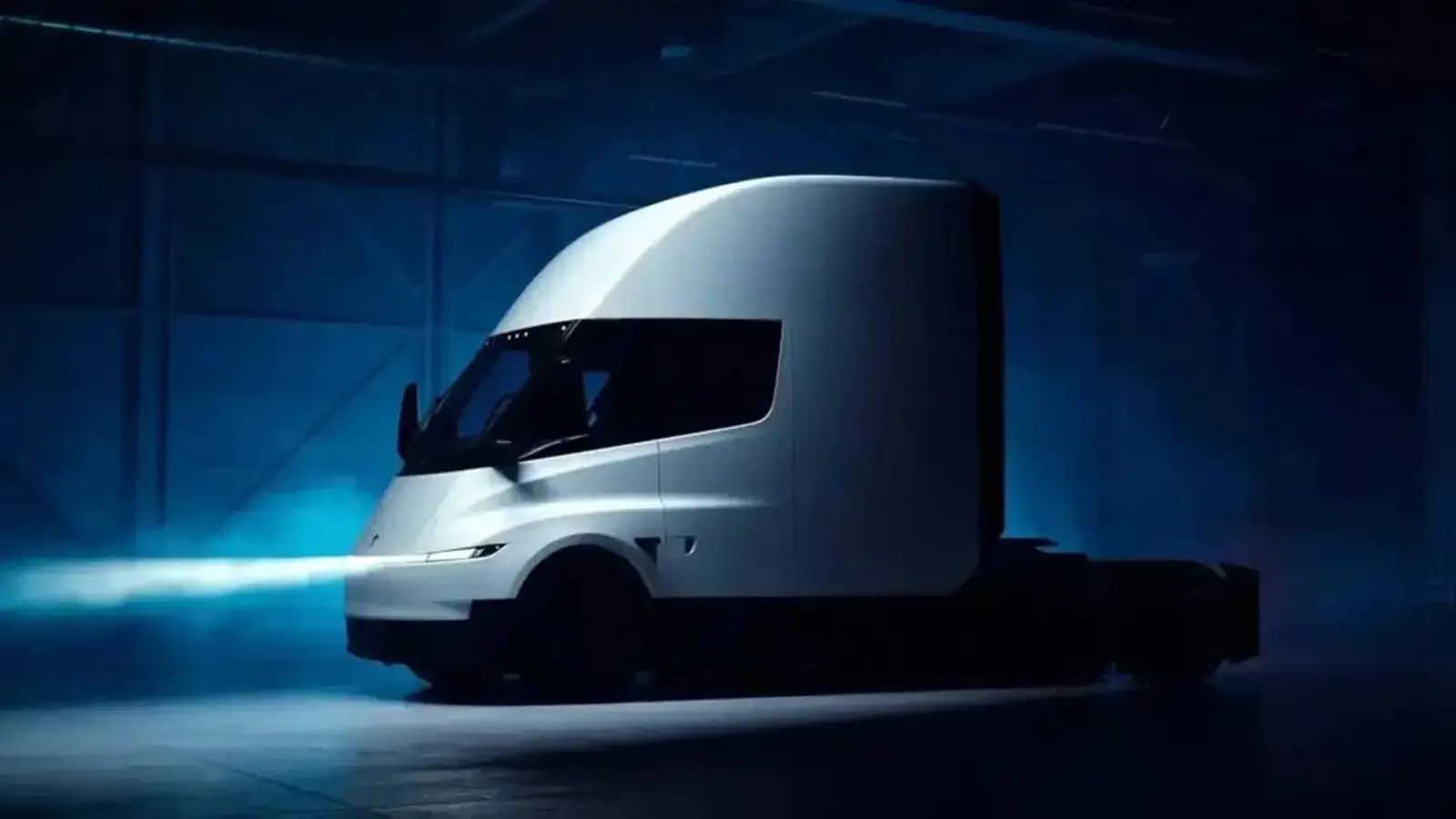
Tesla is scaling Semi production in Nevada, switching to 4680 cells and simplifying key systems. The new plant is designed for up to 50,000 trucks a year.
Author: Nikita Novikov
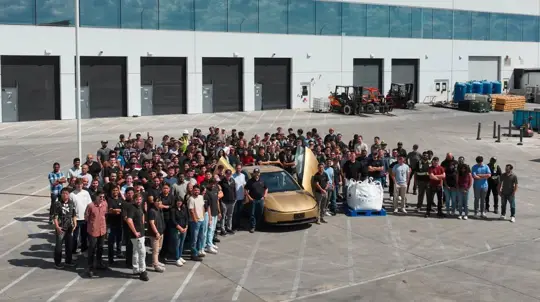
Tesla has announced a further scale-up of Semi production and new customer deliveries. The new plant in Sparks, Nevada, is designed to build up to 50,000 trucks a year, although that figure is the site's planned capacity rather than its current production rate.
In an official statement, the company also detailed the technical changes made as Semi moves from pilot vehicles toward a mass-production version. Over the past four years, the truck has been reworked to cut cost, simplify assembly and improve reliability. One of the biggest changes is the move away from 2170-format cells to Tesla's own 4680 cells. Tesla says this reduced mass and the battery energy capacity required without cutting the claimed driving range.
The drive unit has also been simplified. The rotor now uses a steel structure instead of carbon-fiber reinforcement, which Tesla describes as a cheaper and more reliable solution. The rectangular-wire stator is shared with Cybertruck, allowing the company to use a component already produced at scale and reduce manufacturing costs.
The steering system is unusual as well: Semi uses fully electric power steering with no hydraulic pumps or fluid. That reduces the number of serviceable components while also providing a technical foundation for future driver-assistance and automation functions.
The Megamanifold thermal system manages both cabin climate control and powertrain cooling. Part of its architecture is shared with Cybercab, meaning Tesla is applying a similar approach in both a compact purpose-built vehicle and its heaviest road vehicle.
The factory covers about 1.7 million square feet, or roughly 158,000 square meters. Tesla plans to build Standard Range, Long Range and European-spec Semi variants on a single production line. The first European trucks will therefore be closely tied to U.S. production: Europe already has separate specifications, and deliveries are expected to begin in 2027.
Tesla also claims Semi uptime of around 98% since the start of 2026. This is the manufacturer's own figure, so it should not yet be treated as an independent reliability assessment. The same applies to claims of minimal maintenance: the electric drivetrain does eliminate an internal-combustion engine, exhaust system and traditional transmission, but real fleet operating costs will become clearer with broader use.
When connected to a Megacharger, Semi can recover up to 60% of its driving range in about 30 minutes. That figure refers to the share of range restored and does not necessarily mean charging the battery from 0% to 60%. The U.S. network is already receiving chargers rated at up to 1.2 MW.
The first truck from the new high-volume line rolled off on April 29, 2026, so the September event is better described as a move into commercial scale-up rather than the first start of production. Tesla says customer deliveries are expanding, while the company also plans to use its own Semi trucks to move freight.
This English edition was prepared using AI translation under editorial oversight by SpeedMe. The original reporting is by Nikita Novikov
Latest Stories