Dacia Hipster: price, 15 kWh battery and planned 2027 production
 © dacia.md
Dacia Hipster could enter production in China in 2027 at about £9,500, with four seats and a roughly 15 kWh battery, but final approval is still pending.
Author: Dmitry Novikov
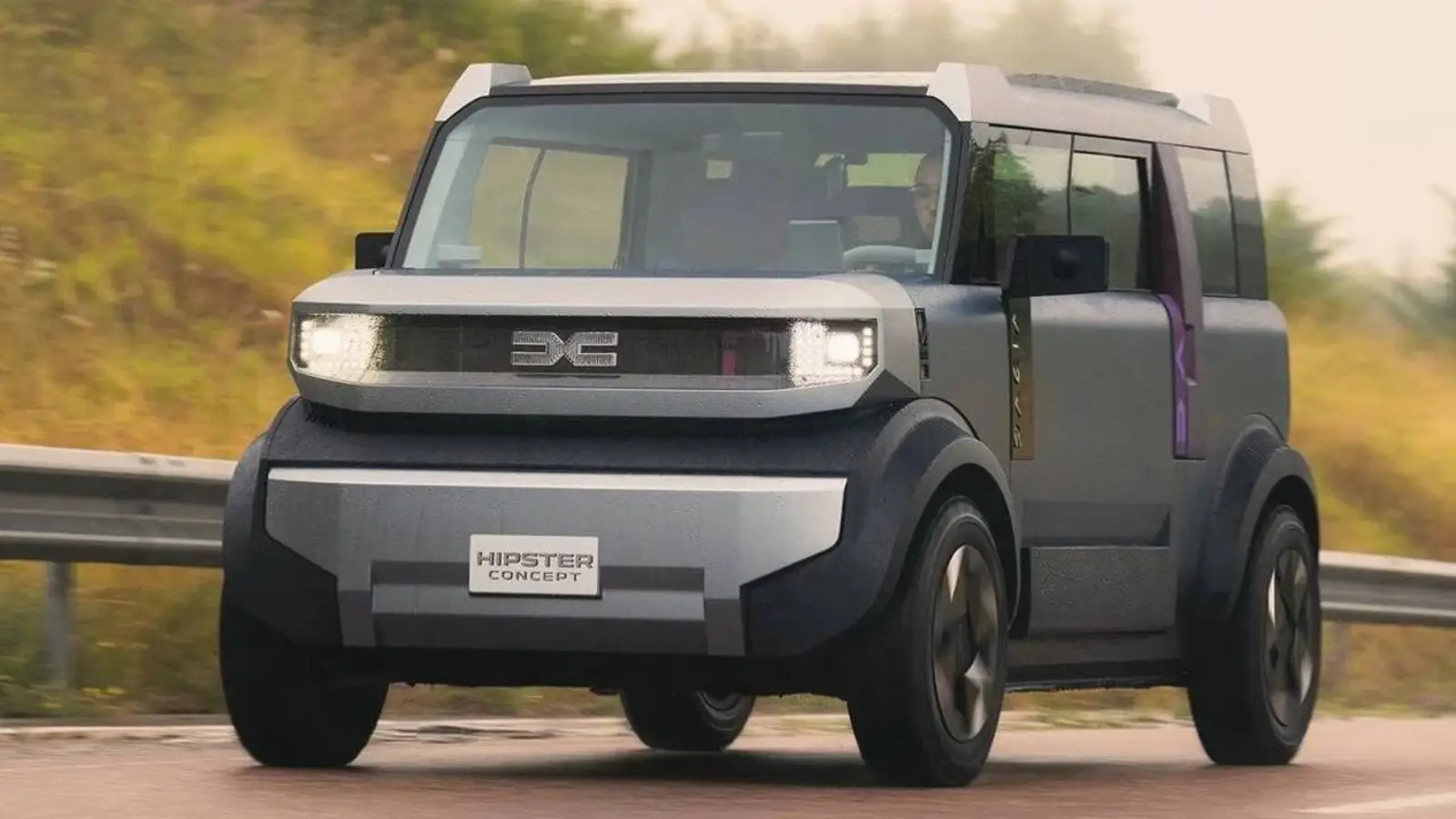
£9,500 is the new price target for the Dacia Hipster. According to Autocar, the compact electric vehicle is planned for production in China in 2027. There is an important caveat, however: Dacia itself has not officially announced series production, and the project still requires final management approval. The brand's official page continues to describe the Hipster as a concept that is not for sale.
The project is aimed primarily at the heavy L7e quadricycle category. The four-seat Hipster is expected to remain about 3 metres long, while Autocar's sources cite a battery capacity of roughly 15 kWh. The L7e category imposes strict limits, including a mass of up to 450 kg excluding the battery, power of up to 20 hp and a top speed no higher than 56 mph, or around 90 km/h. It should therefore not be expected to match the performance of a conventional city EV.
The new price target is noticeably more aggressive. Under Dacia's previous management, the target was about £11,200, whereas the current figure is £9,500. That is a reduction of £1,700, or just over 15%.
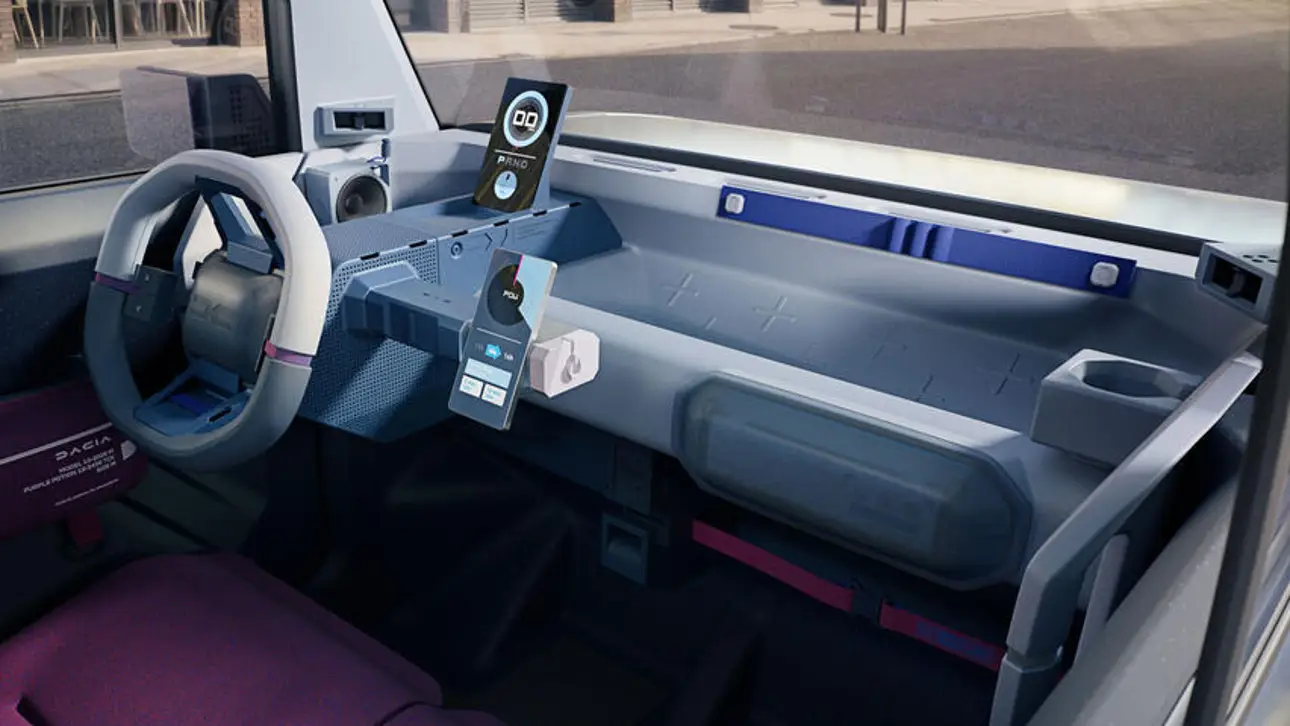
According to the British publication, Hipster production is planned for the eGT New Energy Automotive plant in Shiyan, a joint Renault, Dongfeng and Nissan facility. The previous Spring was built there until July 2026. To reduce costs, engineers are considering reusing some components from the previous-generation Spring, while the Chinese team is involved in development of the battery, chassis and electric motor.
The gap to a full-fledged Dacia electric car would still be substantial. The current Spring in France starts at €16,900, while the converted Hipster target is about €11,000. If both figures remain valid by launch, the quadricycle would be roughly 35% cheaper than the Spring.
The next key step is final approval of the project. Patent images have already shown a more production-realistic body design, but until that decision is made, the £9,500 price, 15 kWh battery and 2027 production plan should be treated as targets for the current project rather than final factory specifications.
This English edition was prepared using AI translation under editorial oversight by SpeedMe. The original reporting is by Dmitry Novikov
Latest Stories