2027 BMW i3 50 xDrive: price, range, charging and specifications
 © press.bmwgroup.com
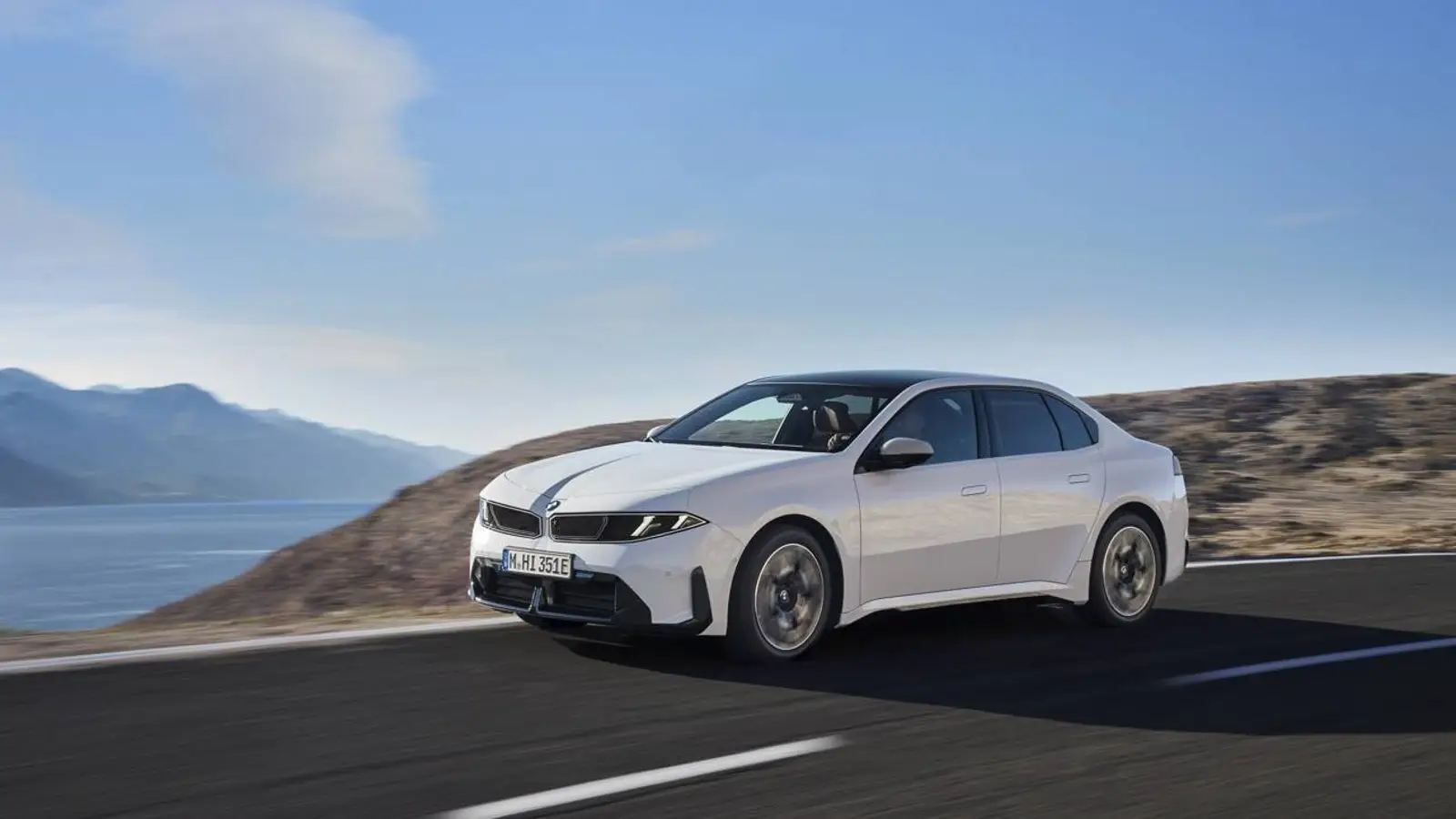
The 2027 BMW i3 50 xDrive starts at $61,500 in the US, offers 463 hp, an estimated 446–468 miles of range and up to 400 kW DC charging.
Author: Polina Kotikova
In the US price list, $4,400 separates the electric BMW i3 50 xDrive from the gasoline-powered M350 xDrive. BMW asks $61,500 for the i3, while the M350 costs $65,900. Within the new 3 Series family, that makes the more powerful EV cheaper than the gasoline flagship even before any possible incentives.
That does not make the electric 3 Series cheaper than the entire gasoline range. The regular BMW 330 starts at $49,900 and the 330 xDrive at $51,900, so the i3 costs $11,600 more than the base sedan. BMW adds the same $1,350 destination and handling charge to all four prices. The new 3 Series is scheduled to reach the US market in the first quarter of 2027.
The US-spec i3 50 xDrive produces 463 hp from two electric motors and has all-wheel drive. BMW preliminarily estimates 446–468 miles, or about 718–753 km, of range based on its own testing under EPA procedures. The 800-volt architecture supports DC charging at up to 400 kW and can add an estimated 191–208 miles, roughly 307–335 km, of range in ten minutes.
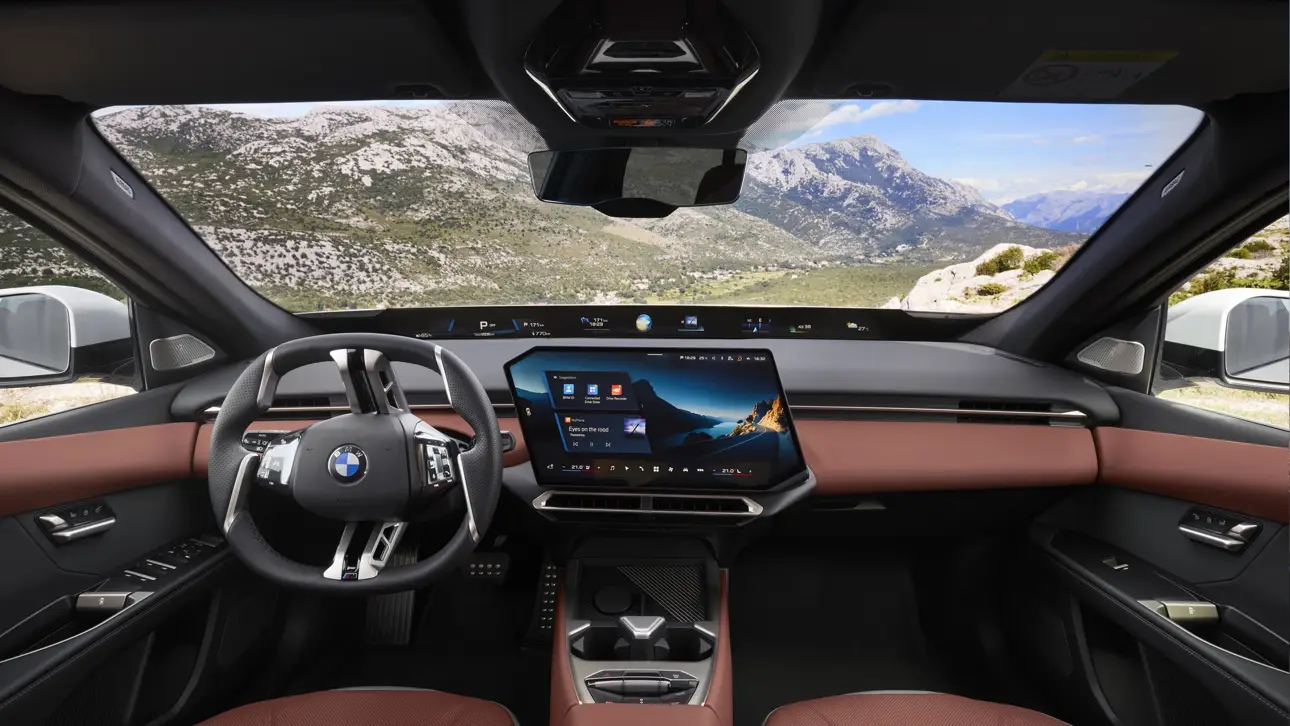
The interior also brings unusual details for the new generation. The i3 uses a redesigned steering wheel with a central upper spoke, while the 17.9-inch free-cut Central Display is angled slightly toward the driver. The M350 gets a different M steering wheel with a flattened rim and spokes positioned at roughly four and eight o’clock.
The M350 xDrive is less powerful on paper at 437 hp, but its 3.0-liter inline-six with a 48-volt mild-hybrid system is quicker: 0–60 mph takes 3.9 seconds versus 4.5 seconds for the i3. So this pairing does not support the claim that the EV is already quicker. BMW has not yet published final EPA fuel-economy figures for the M350, making a full-range comparison between one charge and one tank premature.
The market is still moving toward electrification, though not evenly across regions. Under the IEA’s updated outlook, plug-in cars — BEVs and plug-in hybrids combined — could reach about 29% of global car sales in 2026. After a weak first quarter, global sales in the second quarter rose 35%. In the European Union, battery-electric vehicles alone reached a 20.7% share in January–June.
The new 3 Series highlights a narrower but important point: EV price parity is beginning to appear inside the same model family, not only in broad market averages. For now it works here only against the expensive six-cylinder M350 xDrive, while the regular BMW 330 still retains a clear price advantage over the electric version.
This English edition was prepared using AI translation under editorial oversight by SpeedMe. The original reporting is by Polina Kotikova
Latest Stories