Tesla disputed FSD testing costs as RDW logged more than 3,000 hours
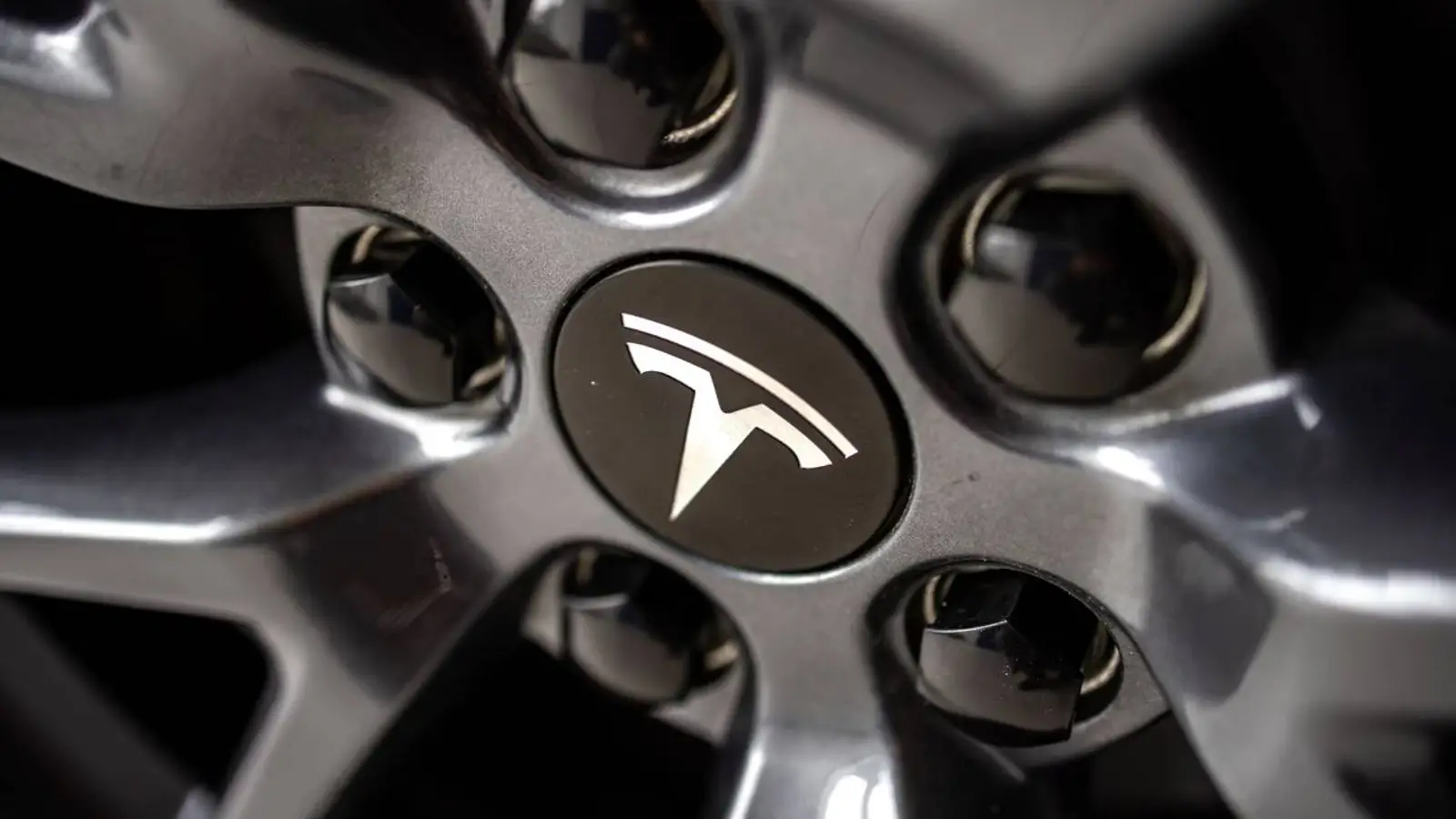 © A. Krivonosov
Reuters correspondence shows Tesla disputed a €365,000 RDW bill and sought changes to testing, while the Dutch regulator says its FSD review remained independent.
Author: Nikita Novikov
Tesla challenged the cost of testing Full Self-Driving in Europe and pushed for changes to how the system was evaluated. In April 2025, the company received a €365,000 estimate from the Dutch vehicle authority RDW for permits, technical work and other services covering a five-month period. Tesla called the costs excessive and asked for detailed information on staff qualifications, hours worked and rates.
A week later, an RDW employee proposed discussing how the scope of further work could be adjusted or reduced. The exchange is described in a Reuters investigation published on October 7, based on hundreds of pages of correspondence between Tesla and European regulators. The sequence of emails by itself does not prove that any reduction in testing was a direct result of the billing dispute.
The disagreements went beyond money. Tesla proposed using its own reports instead of having an inspector physically present for some tests, while RDW suggested remote observation for part of the process. The manufacturer also requested advance information about the types of checks and the names and roles of RDW personnel involved.
The published correspondence does not by itself show that the tests were fictitious or that approval was obtained improperly. RDW says it conducted an independent and extensive assessment: more than 3,000 hours of testing on proving grounds and public roads, over 1,000 test drives, and analysis of data covering 1.8 million km of European driving with the system. The authority also says it independently reviewed Tesla’s data-collection method and statistical analysis.
A separate dispute concerns safety statistics. Seven researchers who reviewed Tesla’s European materials for Reuters said the mileage accumulated under FSD control was too limited for a meaningful crash-rate comparison. Tesla instead used indirect indicators including hard braking and acceleration, horn use, turn signals and automatic emergency braking. In the researchers’ assessment, those data do not prove that the system reduces fatal crashes.
This differs from the August dispute over access to RDW material. That earlier investigation focused on the refusal to disclose a substantial part of the assessment data on trade-secret grounds. The newer report examines negotiations over the cost, methods and intensity of the evaluation itself.
The Netherlands allowed FSD Supervised on April 10, after which the Dutch approval was recognized by seven other EU countries. There is still no single EU-wide authorization. Germany said on October 6 that it was prepared to support further European approval under agreed conditions, including the new name Tesla Assisted Driving and a limit of no more than 10% above the posted speed limit. Since October 9, Tesla has used the Tesla Assisted Driving name in Europe. The next possible window for an EU-wide vote is not expected before December, but no fixed decision date has been announced.
Tesla Assisted Driving, previously known in Europe as FSD Supervised, does not make the car autonomous. The driver must continuously watch the road, supervise the system and be ready to intervene. That is why independent evaluation of the assistance system, its underlying data and driver interventions remains central before any broader EU rollout.
This English edition was prepared using AI translation under editorial oversight by SpeedMe. The original reporting is by Nikita Novikov
Latest Stories