DS N°4 diesel model reintroduced with efficient 1.5L engine for long-distance driving
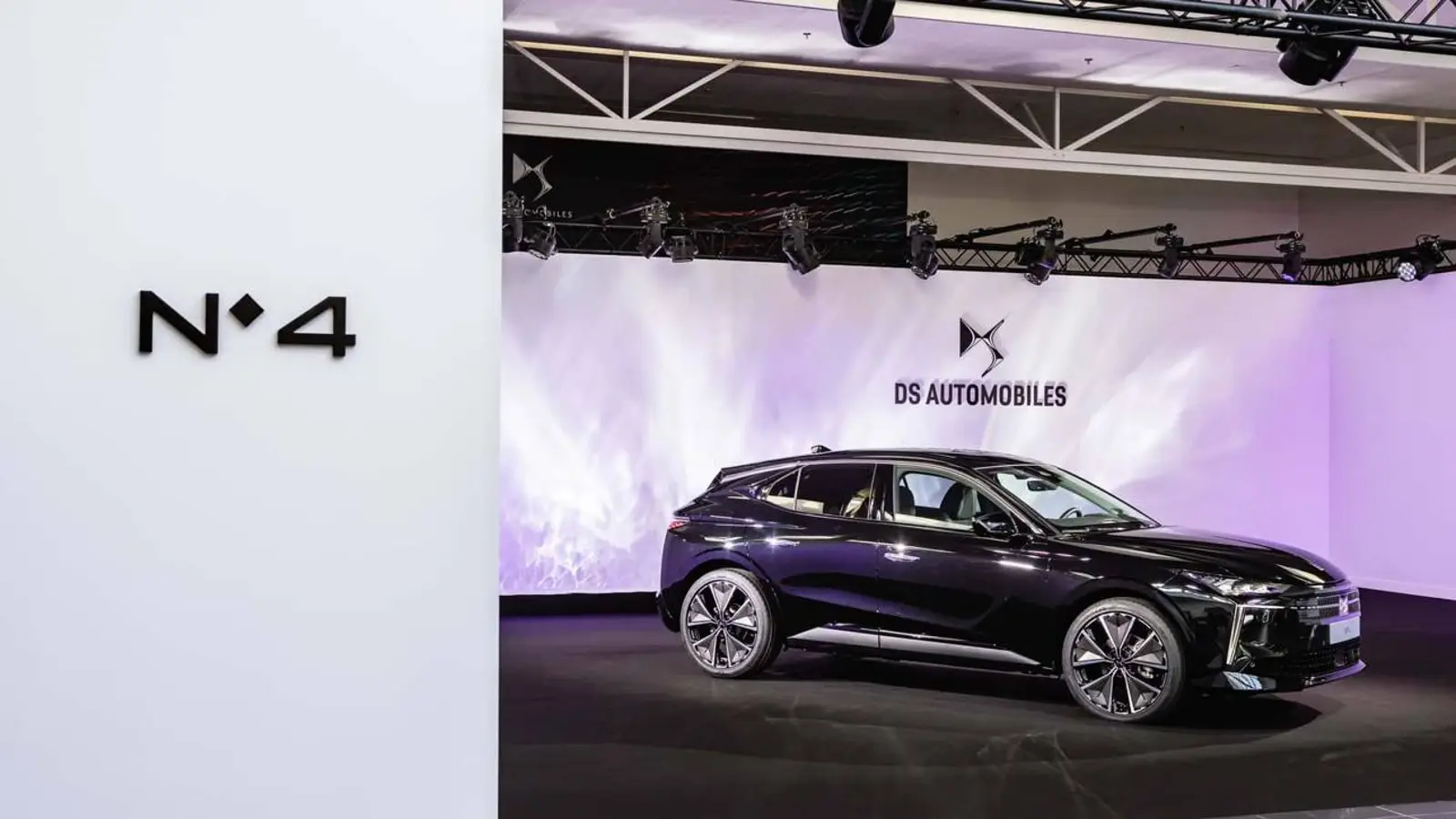 © dsautomobiles.com
DS N°4 now offers a diesel engine option with 130 hp, 5.2L/100km fuel consumption, and prices starting at 39,900 euros, targeting economical long-distance drivers.
Author: Polina Kotikova
Against the backdrop of mass abandonment of diesel engines by automakers, the DS brand, part of the Stellantis group, has made an atypical move. The compact premium DS N°4 model has once again been equipped with a classic turbo-diesel engine.
Diesel as an alternative to electrification
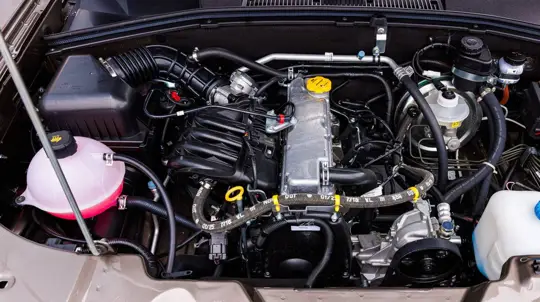
The DS N°4 is now available with a 1.5-liter BlueHDi diesel engine producing 130 horsepower. This engine is well-known from the previous generation of the model and is primarily aimed at customers who frequently undertake long-distance journeys. As a result, the N°4 lineup now features four types of powertrains: diesel, mild-hybrid, plug-in hybrid, and the fully electric E-Tense version.
Technology and fuel consumption
The diesel version comes exclusively with an eight-speed automatic transmission and front-wheel drive. According to the WLTP cycle, the claimed average fuel consumption is 5.2 liters per 100 kilometers, highlighting its focus on economical operation. The EMP2 platform allows for different powertrain types to be combined in a single model without significant compromises.
Prices and trim levels
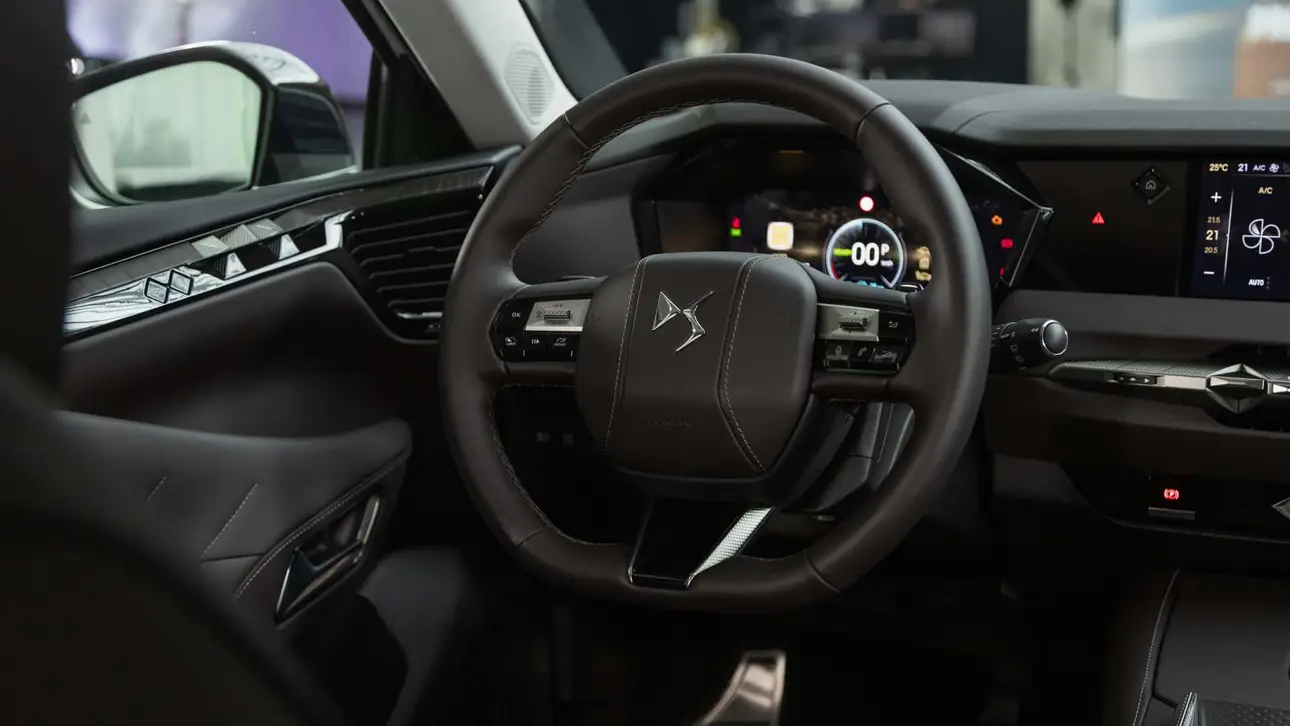
The price of the diesel DS N°4 starts at 39,900 euros for the Pallas version. Standard equipment includes the DS Iris multimedia system with ChatGPT integration.
The more expensive Étoile version is offered from 44,700 euros and adds matrix LED headlights and premium trim. Thematic Performance Line and Jules Verne editions are also available. In terms of pricing, the diesel version occupies a middle ground between the mild-hybrid and fully electric versions.
The return of diesel to the DS N°4 is a deliberate step against market trends. DS is targeting customers who prioritize range and efficiency, demonstrating that even in 2026, diesel remains a relevant solution in the compact premium segment.
This English edition was prepared using AI translation under editorial oversight by SpeedMe. The original reporting is by Polina Kotikova
Latest Stories