Canada's Project Arrow EV concepts unveiled at Toronto auto show
Project Arrow Vector and Borealis: Canada's electric vehicle ambitions
Canada's Project Arrow EV concepts unveiled at Toronto auto show
Discover Canada's Project Arrow Vector and Borealis EV concepts, featuring 3D-printed chassis, high performance, and autonomous tech, aiming to boost domestic EV production.
2026-02-14T04:37:19+03:00
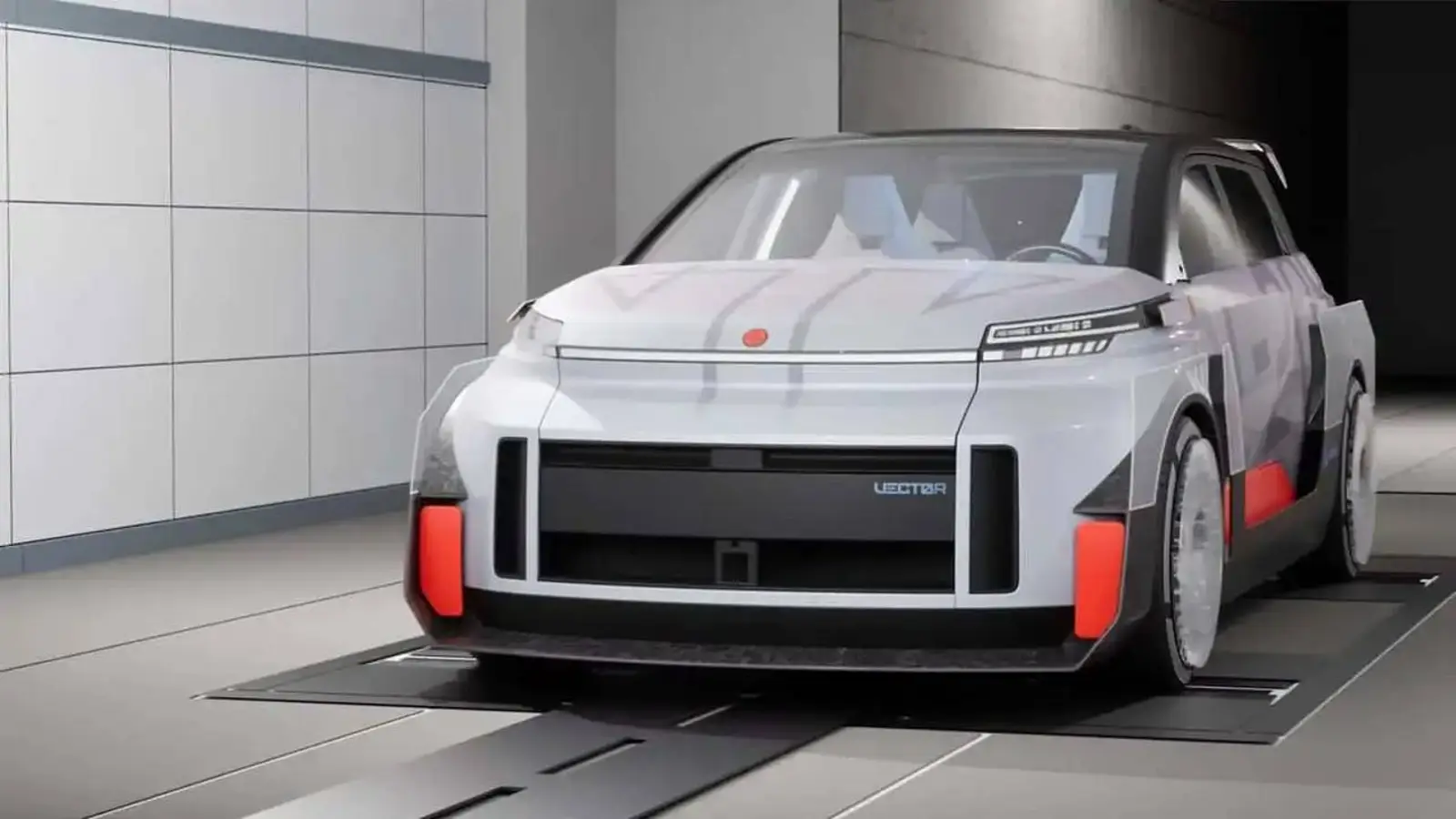
Canada unveiled its most ambitious electric vehicles at the Toronto auto show—the Project Arrow Vector and Borealis concepts. The APMA aims to prove the country can build a complete EV without importing technology.The Vector evolves from the first show car with sharper body styling, 650 horsepower, and a claimed range of 550 km. Its chassis is 3D-printed from an aluminum-polymer blend and includes Level 3 autonomy.The Borealis points to a further horizon: a metal 3D-printed chassis, an experimental electric drive, and a claim of Level 5 autonomy. This concept is designed for future smart-city infrastructure and has a theoretical range of up to 1,500 km.Both projects were developed in collaboration with Ontario Tech University and more than 80 Canadian suppliers. Canada clearly intends to put itself on the global EV technology map.
Project Arrow, Vector, Borealis, electric vehicles, EV concepts, Canada, Toronto auto show, 3D-printed chassis, autonomous driving, APMA, electric car technology
2026
Michael Powers
news
Project Arrow Vector and Borealis: Canada's electric vehicle ambitions
Discover Canada's Project Arrow Vector and Borealis EV concepts, featuring 3D-printed chassis, high performance, and autonomous tech, aiming to boost domestic EV production.
Michael Powers, Editor
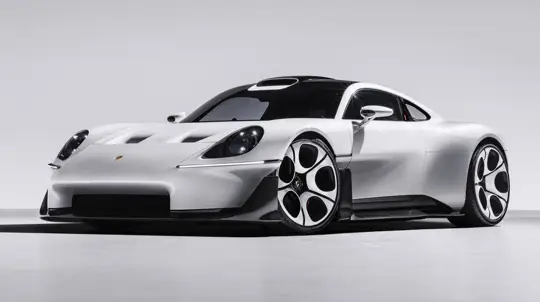
Canada unveiled its most ambitious electric vehicles at the Toronto auto show—the Project Arrow Vector and Borealis concepts. The APMA aims to prove the country can build a complete EV without importing technology.
The Vector evolves from the first show car with sharper body styling, 650 horsepower, and a claimed range of 550 km. Its chassis is 3D-printed from an aluminum-polymer blend and includes Level 3 autonomy.
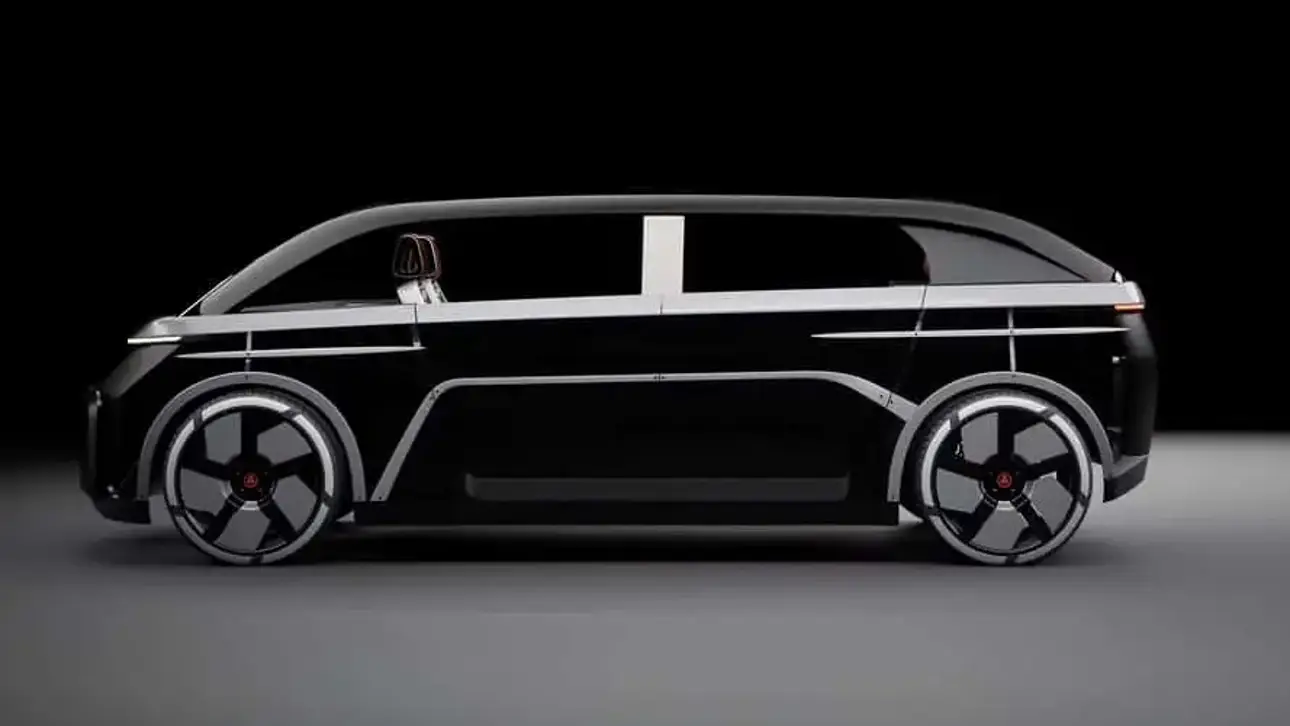
The Borealis points to a further horizon: a metal 3D-printed chassis, an experimental electric drive, and a claim of Level 5 autonomy. This concept is designed for future smart-city infrastructure and has a theoretical range of up to 1,500 km.
Both projects were developed in collaboration with Ontario Tech University and more than 80 Canadian suppliers. Canada clearly intends to put itself on the global EV technology map.