2026 J.D. Power Vehicle Dependability Study results released
 © A. Krivonosov
The 2026 J.D. Power Vehicle Dependability Study ranks cars by reliability. Toyota and Lexus top the list, with surprises from Chevrolet and BMW. Learn about key findings and trends.
Author: Nikita Novikov
The 2026 J.D. Power Vehicle Dependability Study results have been released. This ranking is based on the number of problems per 100 vehicles (PP100) after three years of ownership, reflecting the real-world experience of owners of 2023 model-year cars.
The methodology covers issues with powertrains, multimedia systems, electronic assistants, build quality, and overall ownership experience. A lower PP100 score indicates a more reliable model.
Toyota and Lexus lead again
As expected, Japanese brands continue to dominate. The Toyota Corolla has been named the most reliable compact car. Its success stems from naturally aspirated engines, minimal technical experimentation, and conservative updates that avoid major platform changes.
The Toyota Camry leads in the midsize segment. This success is attributed to a proven architecture, well-established gasoline and hybrid powertrains, and a measured approach to cabin digitization.
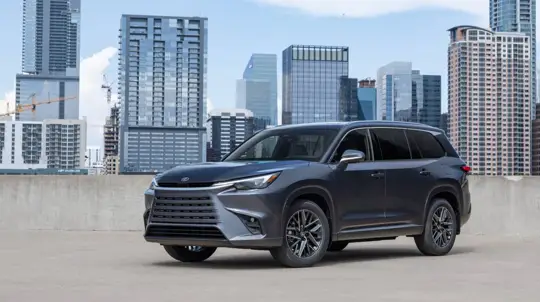
In the premium segment, Lexus performed strongly. The IS model led among compact premium sedans, while the Lexus GX topped the midsize premium SUV category. The manufacturer continues to prioritize mechanical reliability and gradual technology adoption over aggressive innovation.
Surprise winners
A surprise came from the Chevrolet Equinox, which took first place among compact crossovers. This segment is traditionally dominated by Japanese brands, so the model's success points to a notable improvement in quality control at General Motors.
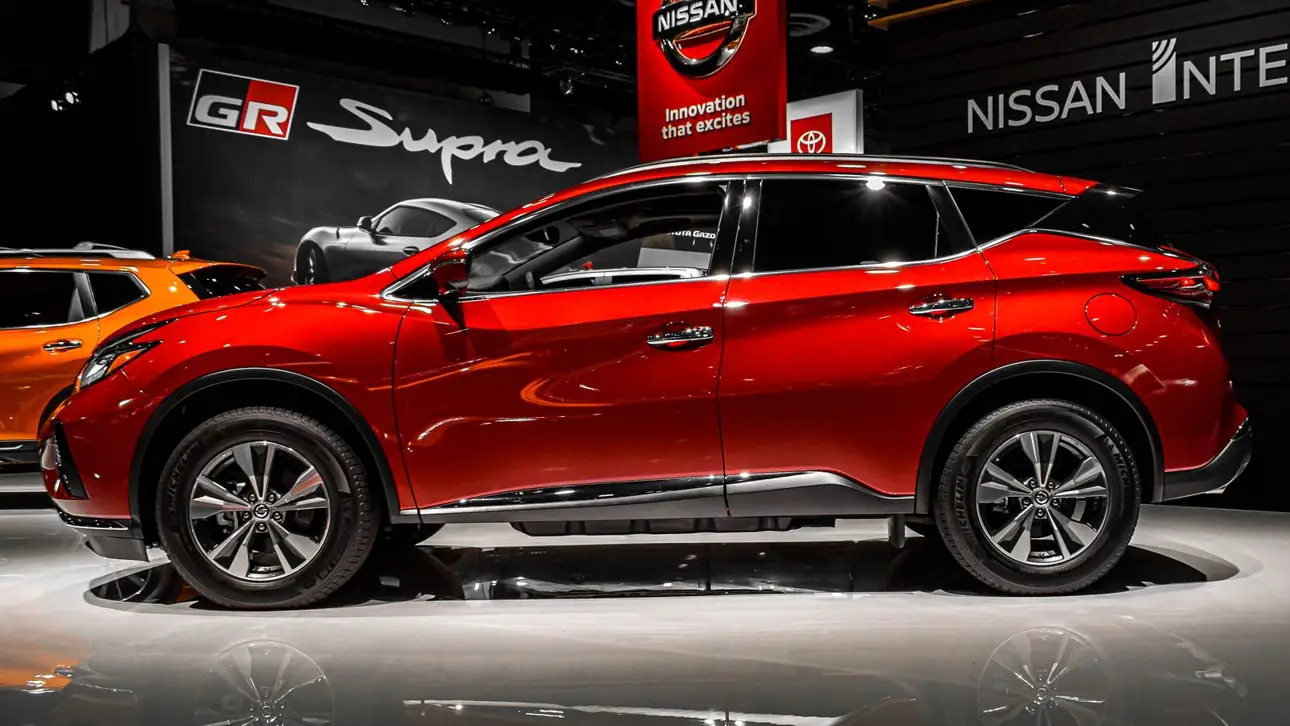
The Nissan Murano also emerged as an unexpected leader among midsize SUVs. Given past issues with continuously variable transmissions, the Murano's victory looks like an attempt by the brand to regain market trust.
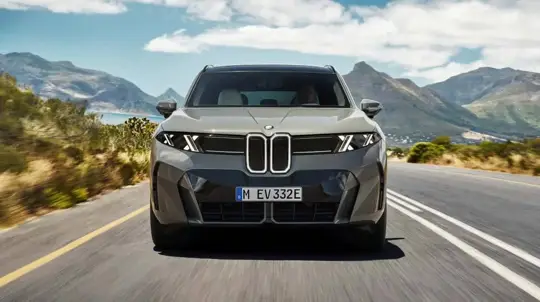
The BMW X4 topped the compact premium SUV segment. Considering historical criticisms of BMW electronics, this result suggests improved engineering discipline and powertrain standardization.
The Ram 1500 became the most reliable full-size pickup. For the American market, this is particularly telling, as such vehicles are often used in demanding conditions.
The main problem isn't mechanical, it's software
The study reveals that modern reliability issues are increasingly tied not to engines or transmissions, but to software.
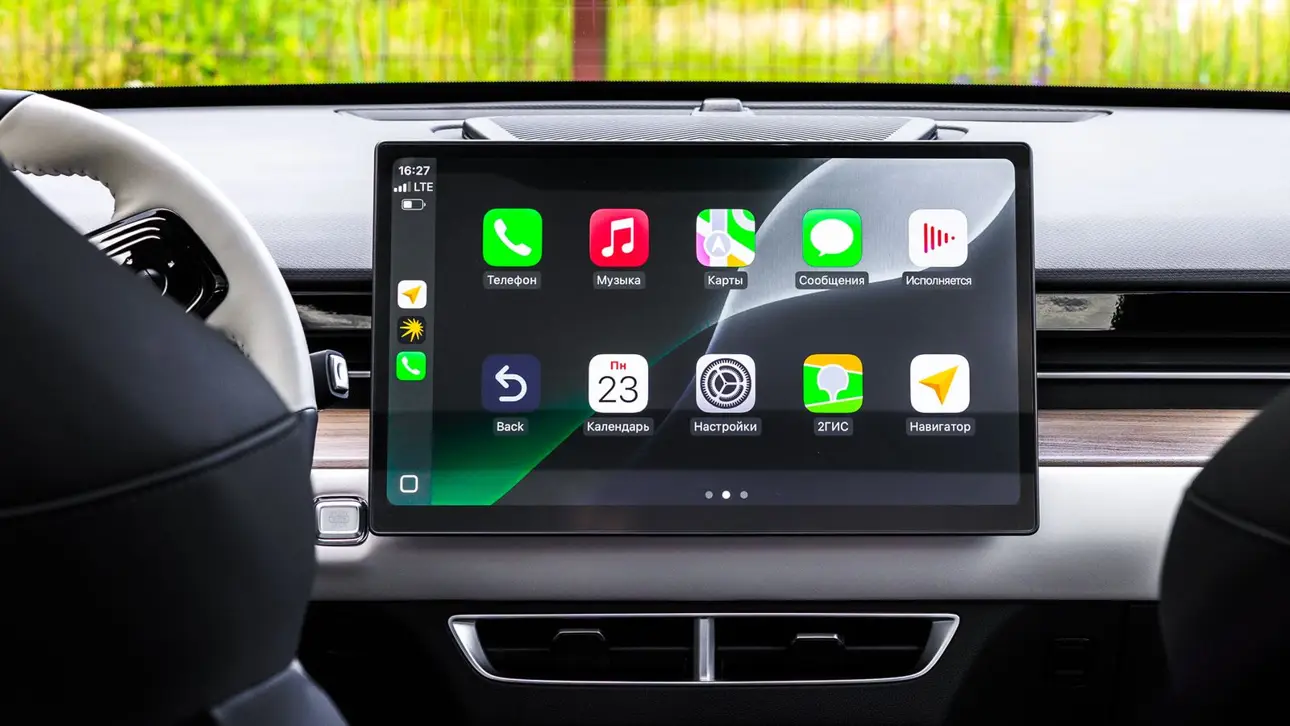
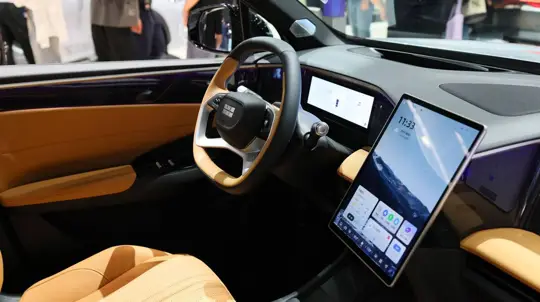
Smartphone integration via Android Auto and Apple CarPlay remains the most common complaint for the third consecutive year. Over-the-air (OTA) updates have yet to deliver the expected improvement in user experience.
Electrification also affects the scores. The highest problem rate was recorded for plug-in hybrids, followed by fully electric vehicles, then conventional hybrids. Gasoline models still show the best reliability figures.
Premium vehicles averaged 217 problems per 100 cars, which is higher than mass-market brands. This confirms that more complex electronics and digital features increase the likelihood of faults.
Overall, the 2026 ranking reveals a clear trend: reliability today is defined less by mechanical simplicity and more by the level of software integration.
Toyota and Lexus continue to win through engineering conservatism. But the appearance of Chevrolet, Nissan, BMW, and Ram among the leaders signals a shift in market dynamics.
In the era of digital cars, software has become the primary risk factor. The brands that can successfully combine technological sophistication with system stability will set new reliability standards.
This English edition was prepared using AI translation under editorial oversight by SpeedMe. The original reporting is by Nikita Novikov
Latest Stories