The Tesla battery myth is cracking: real mileage tells a very different story
 © A. Krivonosov
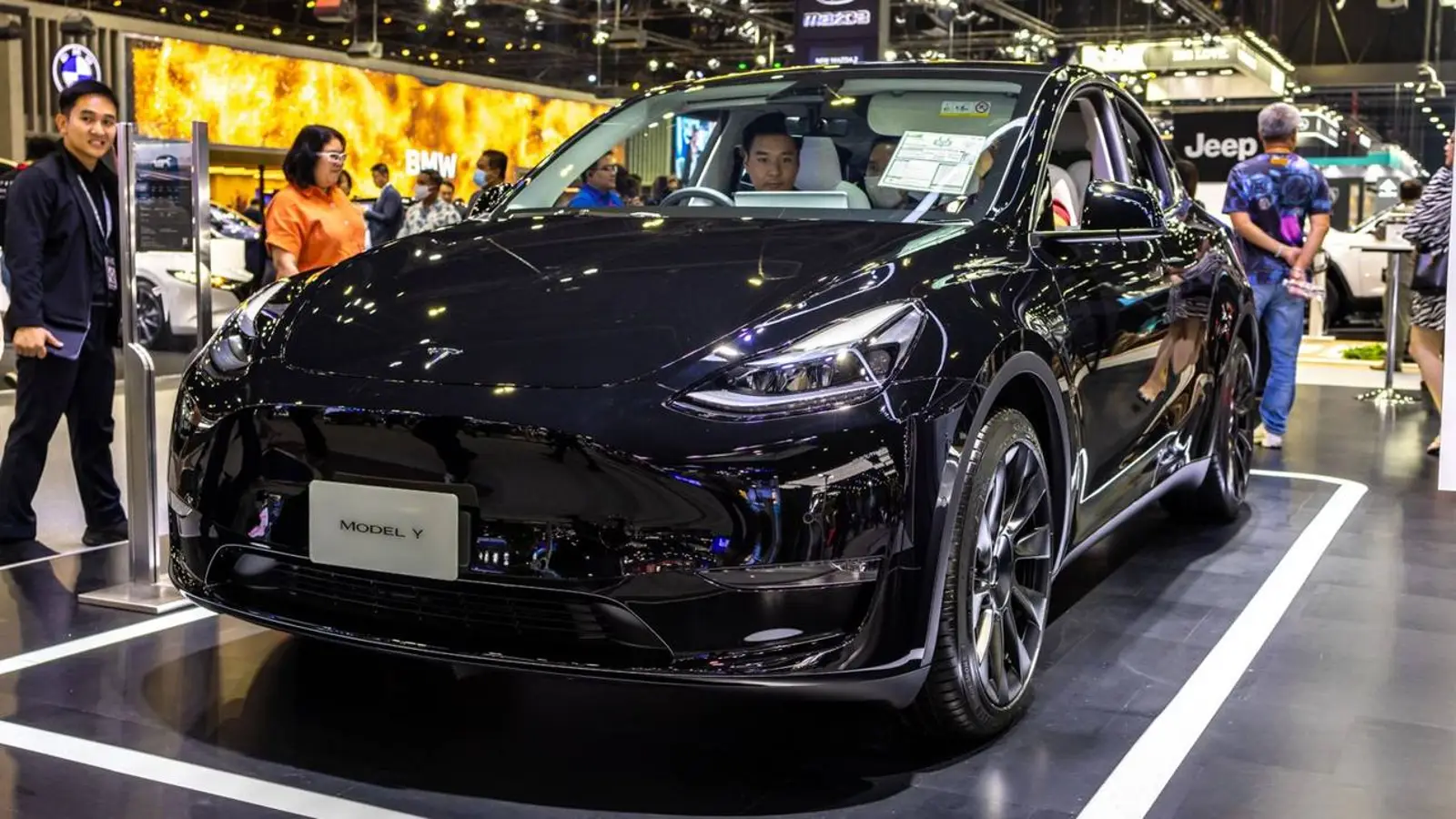
Real-world Tesla Model 3 and Model Y figures show battery degradation is sharply non-linear — the biggest loss hits early, then the curve flattens over hundreds of thousands of kilometres.
Author: Dmitry Novikov
The biggest fear around an electric car is its expensive battery, which supposedly «dies» quickly. But the data on the Tesla Model 3 and Model Y points to a different picture: degradation doesn’t follow a straight line — it slows sharply after the first few tens of thousands of kilometres.
The most visible wear hits at the very start of a car’s life. The drop from 100% to 95% capacity typically happens by around 80,000 km. After that, the process becomes much slower: moving from 95% to 90% can take a car roughly 200,000 km. The longest stretch is from 90% to 80% — experts estimate batteries only reach those levels closer to 500,000 km.
That changes the way you look at used Teslas. What matters to a buyer isn’t the mileage itself, but the state of the specific pack, its charging history and how the car has been driven. Losing the first few percent doesn’t mean the battery will keep crumbling at the same pace. More often, it settles onto a stable plateau where the range drops far more gently.
A real-world example — the first officially sold Tesla Model Y cars in Turkey. After three years on the road, most of the cars examined kept battery health at roughly 95%. That trajectory matches the expected wear curve and looks nothing like a scenario where an EV needs its most expensive component replaced after just a few years.
The track record of the older Model S and Model X tells the same story. Modern chemistry, thermal management and charging control have made the battery a far less frightening part of an electric car. The debate about pack longevity won’t disappear, but the line «you’ll have to replace the battery in a couple of years» holds up worse and worse against real-world mileage.
This English edition was prepared using AI translation under editorial oversight by SpeedMe. The original reporting is by Dmitry Novikov
Latest Stories