Mercedes Kecskémét plant expansion 2026: capacity, electric C-Class and costs
 © mercedes-benz.com
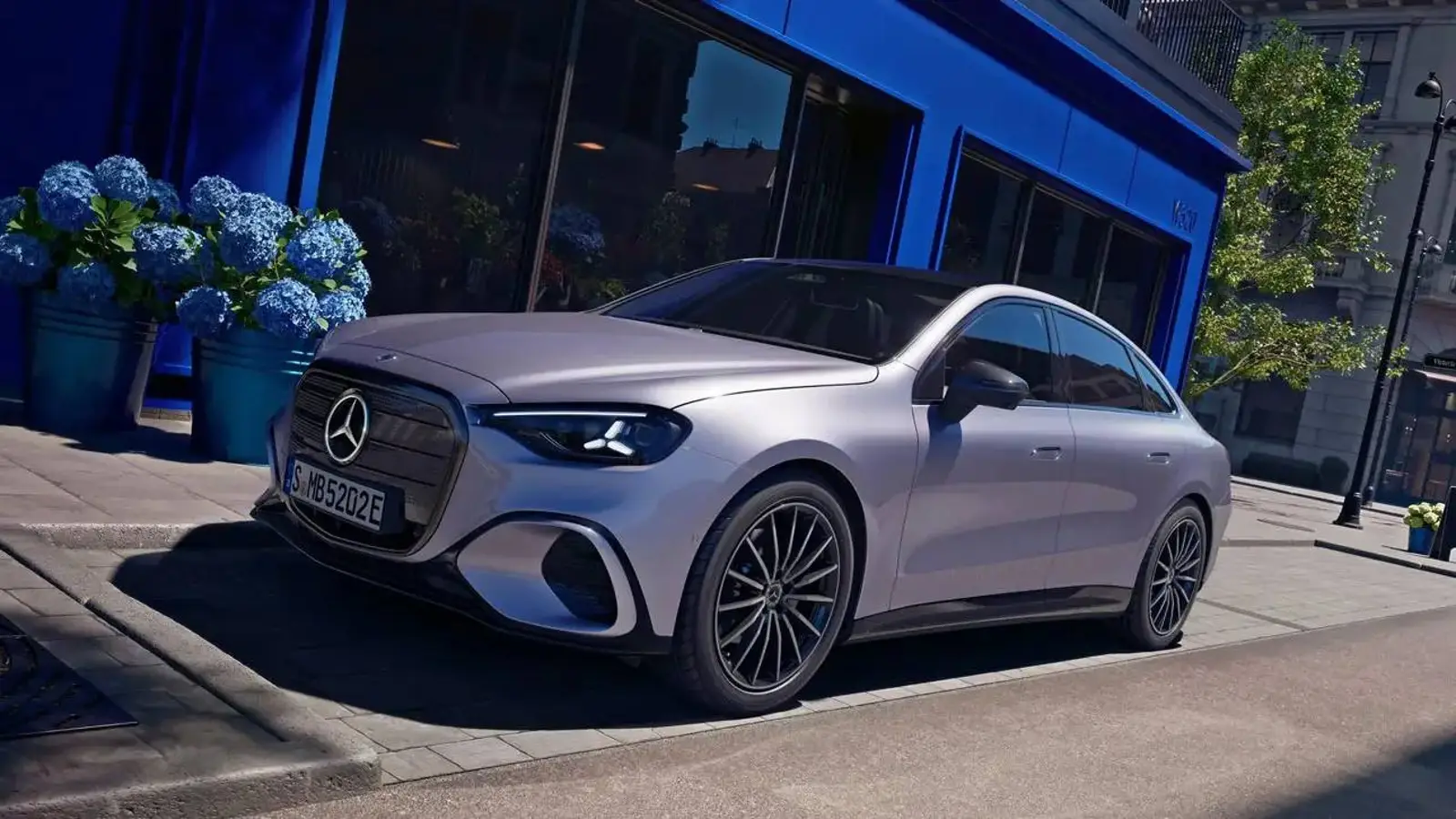
Mercedes is pouring over €1 billion into its Kecskémét plant in Hungary, which will build the new electric C-Class alongside the A-Class and GLB.
Author: Dmitry Novikov
Mercedes isn’t expanding its Kecskémét plant just to add another line. More than €1 billion is turning the Hungarian site into one of the brand’s key European hubs: the A-Class and GLB are already built there, and now the electric C-Class joins them.
The scale shows in the infrastructure. Mercedes has built two new lines for body construction and assembly, a paint shop and a battery assembly area. Once the expansion is complete, the plant could potentially turn out up to 400,000 cars a year. If that utilization holds, Kecskémét would become not just Hungary’s largest car factory but Mercedes’ biggest plant in Europe.
The reasoning goes beyond proximity to EU markets. Mercedes wants to raise the share of output coming from lower-cost European countries from 15% to 30%, while maximum production capacity in Germany is set to shrink to around 900,000 cars in the coming years. Mercedes CFO Harald Wilhelm has put production costs in Hungary at roughly 70% below German levels. Against pressure from China, tariffs, falling profits and expensive labor, this is no longer a backup plan — it’s part of the crisis strategy.
Hungary is fast becoming an auto cluster for German brands. BMW invested around €2 billion in its Debrecen plant, where electric iX3 production got underway. Audi in Győr builds the Q3, Cupra models, body components, and nearly 1.6 million gasoline, diesel and electric powertrains. Suppliers are growing alongside them — Bosch, ZF, Aumovio and others benefit from sitting close to the assembly plants.
For buyers, this is reshaping what “German car” even means. The country of assembly will increasingly be Hungary, Slovakia or another European site rather than Germany itself. That doesn’t automatically mean lower quality — quality is set by the brand’s standards, suppliers and oversight. But owners do care about the details: parts availability, shared components with other models, supply stability, and how quickly a new plant reaches mature build quality.
Mercedes didn’t just expand Kecskémét. It showed that even a premium brand can no longer afford to build new EVs only where it’s historically been prestigious to do so.
This English edition was prepared using AI translation under editorial oversight by SpeedMe. The original reporting is by Dmitry Novikov
Latest Stories