Dodge Hornet 2024: Remaining Inventory, Prices, and Why Production Ended
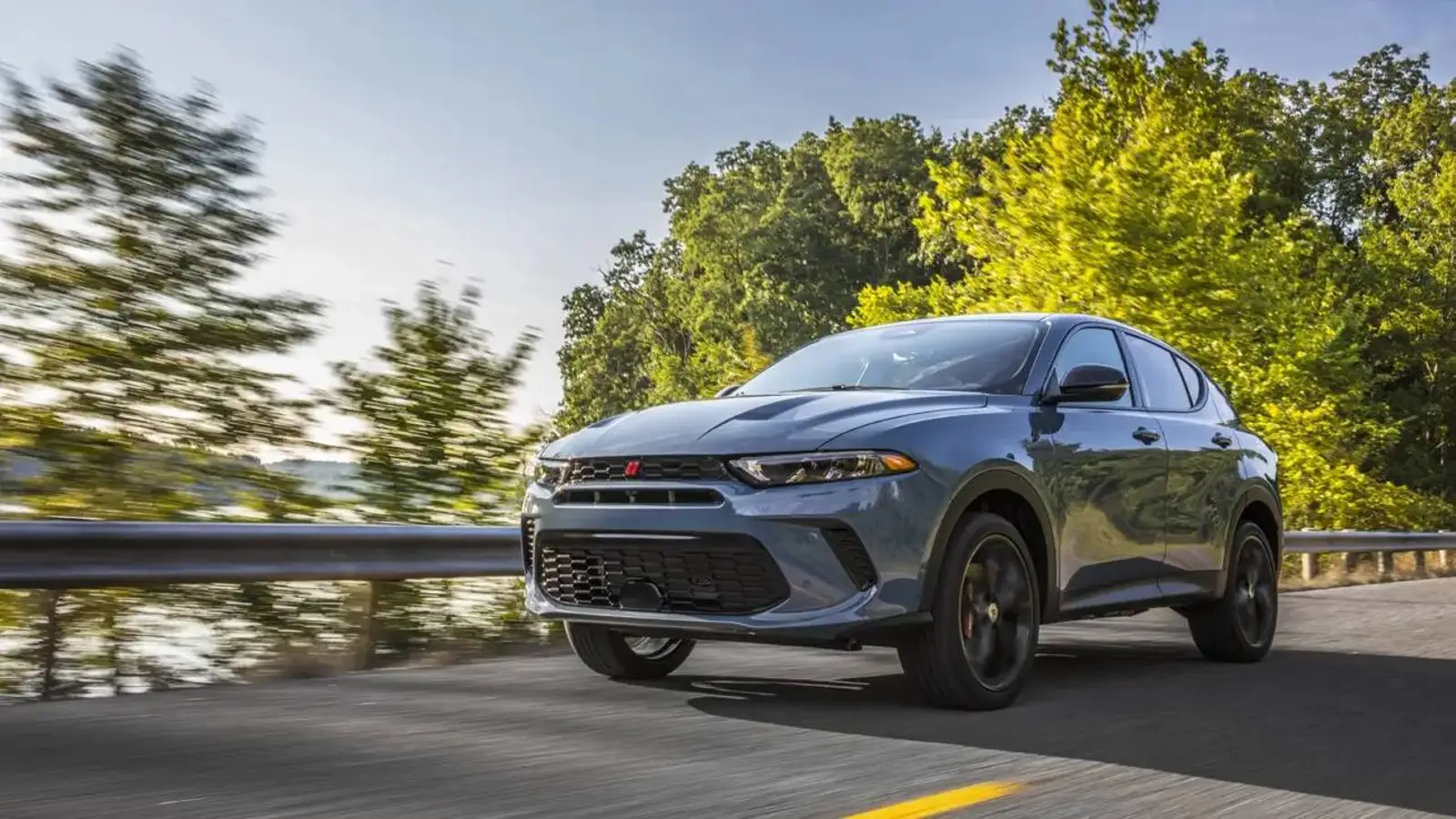 © media.stellantis.com
Dodge has ended Hornet production after three model years. Dealers are clearing the last units, with prices cut as low as $23,990 on the cheapest 2024 GT trim.
Author: Nikita Novikov
The Dodge Hornet isn’t exiting the market with a farewell special edition — it’s exiting through a quiet clearance sale. According to the brand’s own inventory data, fewer than 90 new crossovers remain in the US, and third-party listings still show more units, some of which may already be stale. For a model launched as an affordable entry point into the Dodge lineup and a bridge toward electrification, the ending came far too fast.
The Hornet arrived in 2022 as the technical twin of the Alfa Romeo Tonale — recently refreshed with a grille inspired by the 33 Stradale — sharing the same Italian production base at Pomigliano d’Arco, the related FCA Small Wide architecture, and two core ideas: a compact SUV with Dodge attitude and a plug-in hybrid R/T variant. But geography turned into a liability. The car was built in Italy, and import tariffs combined with Stellantis’s reshuffled electrification plans made the project too exposed. Dodge Hornet production officially ended after three model years, with the company citing shifts in the policy environment.
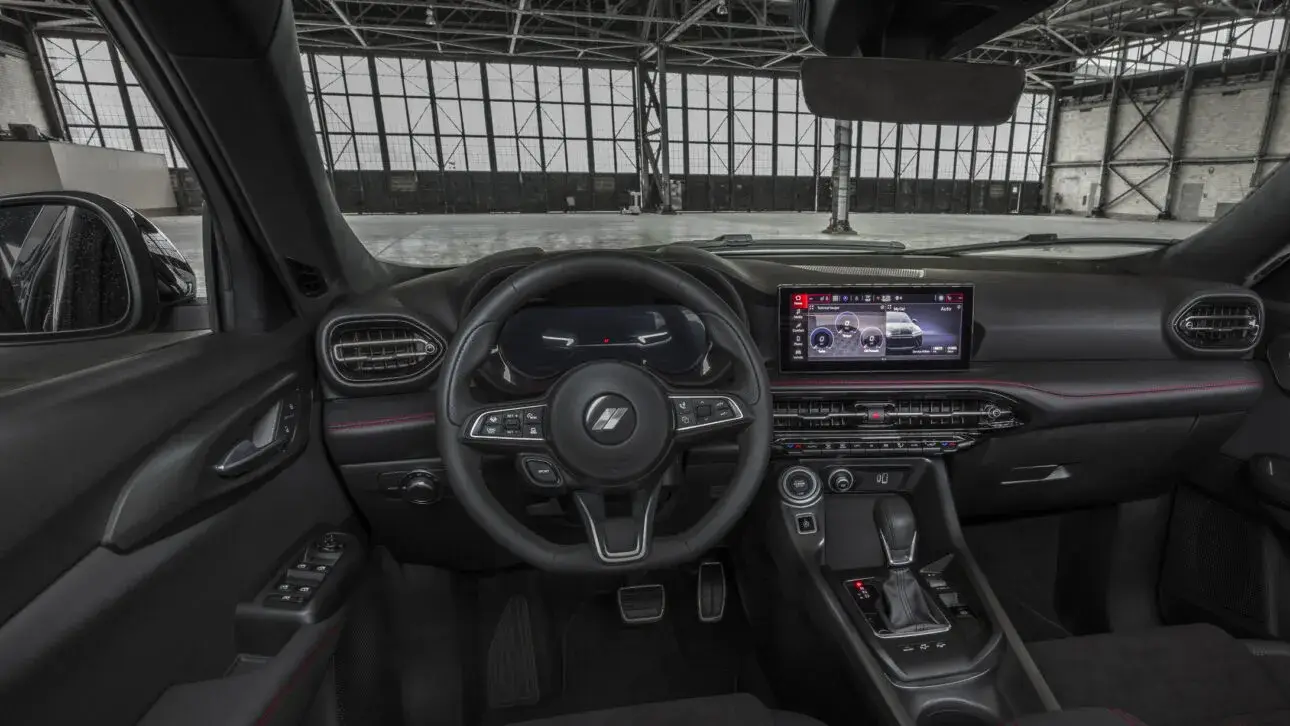
Dealers are clearing out what’s left aggressively. Dodge’s official inventory list shows 88 units priced between $31,590 and $50,775. Classifieds listed 129 new Hornets across model years, and the cheapest one — a 2024 Hornet GT — was marked down from $34,990 to $23,990. For American buyers, this isn’t about image anymore, it’s a bet: grab a discontinued Dodge cheap now, or skip a model with no future in the lineup.
The Hornet’s problem went beyond tariffs. To Dodge loyalists, it felt too European and too compact; to mainstream SUV shoppers, it wasn’t practical enough to compete with the Toyota RAV4, Honda CR-V, Chevrolet Equinox, or Mazda CX-5. And the plug-in hybrid R/T landed in an awkward spot — pricier than regular crossovers, but without the Alfa Romeo badge its underpinnings came from.
With the Hornet gone, Dodge is effectively left with the tall Durango and the new Charger — which recently gained a 550-hp SIXPACK version. That pulls the brand back toward its more familiar identity: big, powerful, emotional cars, not a compact crossover for practical-minded buyers.
The Hornet didn’t fail overnight — it just turned out to be the wrong car for the wrong brand, in the wrong country, at the wrong moment for tariffs.
This English edition was prepared using AI translation under editorial oversight by SpeedMe. The original reporting is by Nikita Novikov
Latest Stories