Volvo EX60 becomes the first car where Gemini looks out the windshield with you
 © скриншот видео
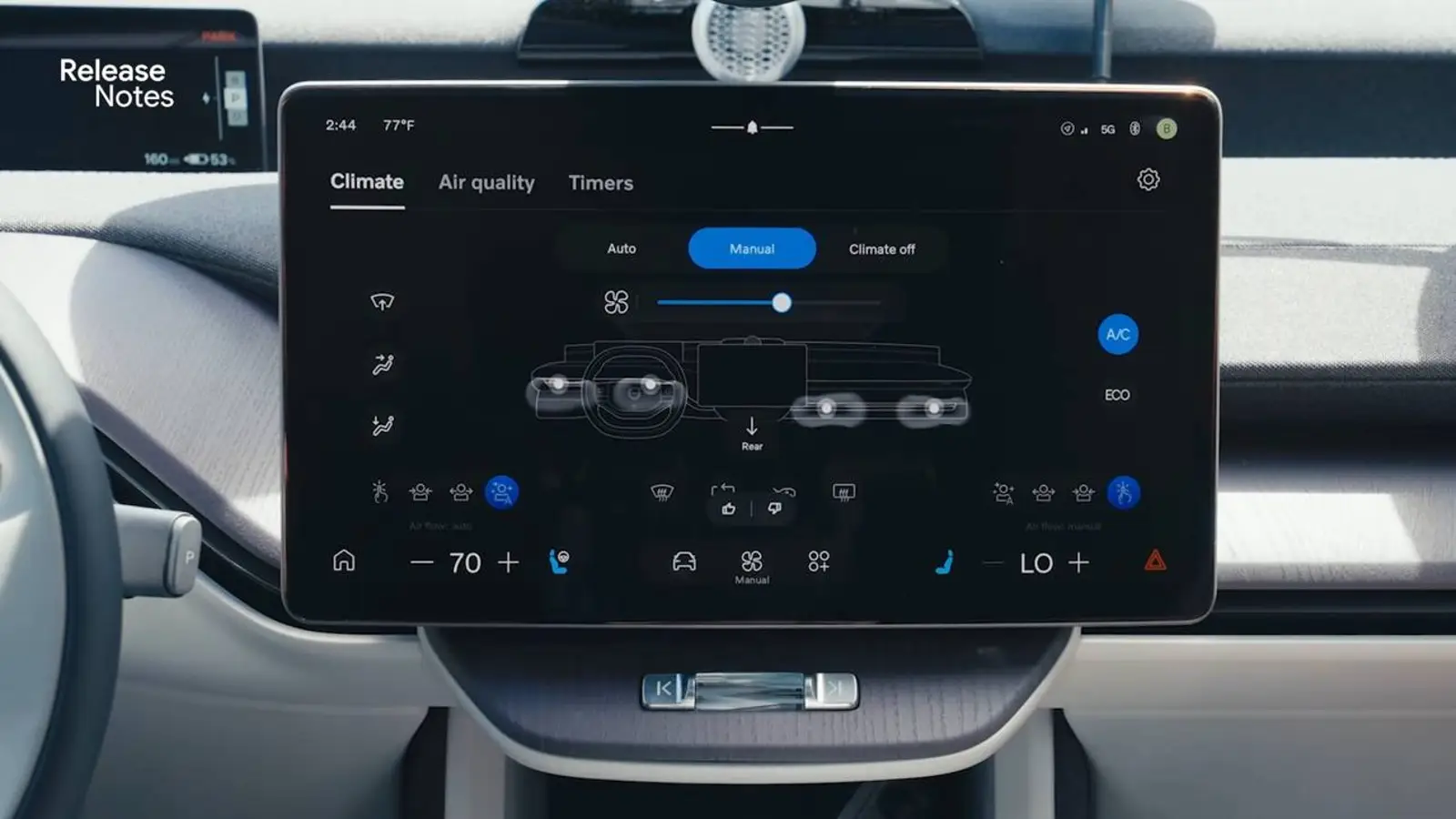
Google's Gemini can temporarily tap into a car's front camera to identify buildings, signs and landmarks. Demoed on the unreleased Volvo EX60 running Android Automotive.
Author: Nikita Novikov
Google has shown a new automotive Gemini feature that looks both useful and slightly unsettling. The AI can tap into the car’s front camera, see the object ahead and tell the driver what it is. This is not autopilot. Not “the car figured it all out.” But a step toward a car that starts perceiving the world not only for safety assistants, but for a conversation with the human behind the wheel.
The demo took place in the still-unreleased Volvo EX60. The pick is logical: Volvo and Polestar have long walked hand in hand with Google because they use Android Automotive rather than a phone projection over Android Auto. The difference is fundamental. Android Auto mostly mirrors what’s available on the phone, while Android Automotive is embedded deeper into the car and can work with climate, driver assistants, infotainment and now — potentially — the camera.
The scenario resembles Gemini Live on a smartphone: point the camera at a building or an object, ask a question, get an explanation. Only here the camera is already installed in the car. The driver can ask Gemini to describe what’s ahead or provide information about an object along the route. Convenient? Yes. Especially in an unfamiliar city, near a landmark, a complex junction or an object you want to understand without pulling out the phone.
But the word “camera” in a car cabin always sets off the privacy siren. Google specifically stresses that Gemini doesn’t get permanent access to the video feed. According to Sameer Samat, President of Android at Google, the system connects to the camera only after a user request, then disconnects and no longer “sees” what’s happening in front of the car. Sounds good. Though trust in features like this will depend not on a single statement at a presentation, but on the settings, permission transparency and how easily the driver can turn access off.
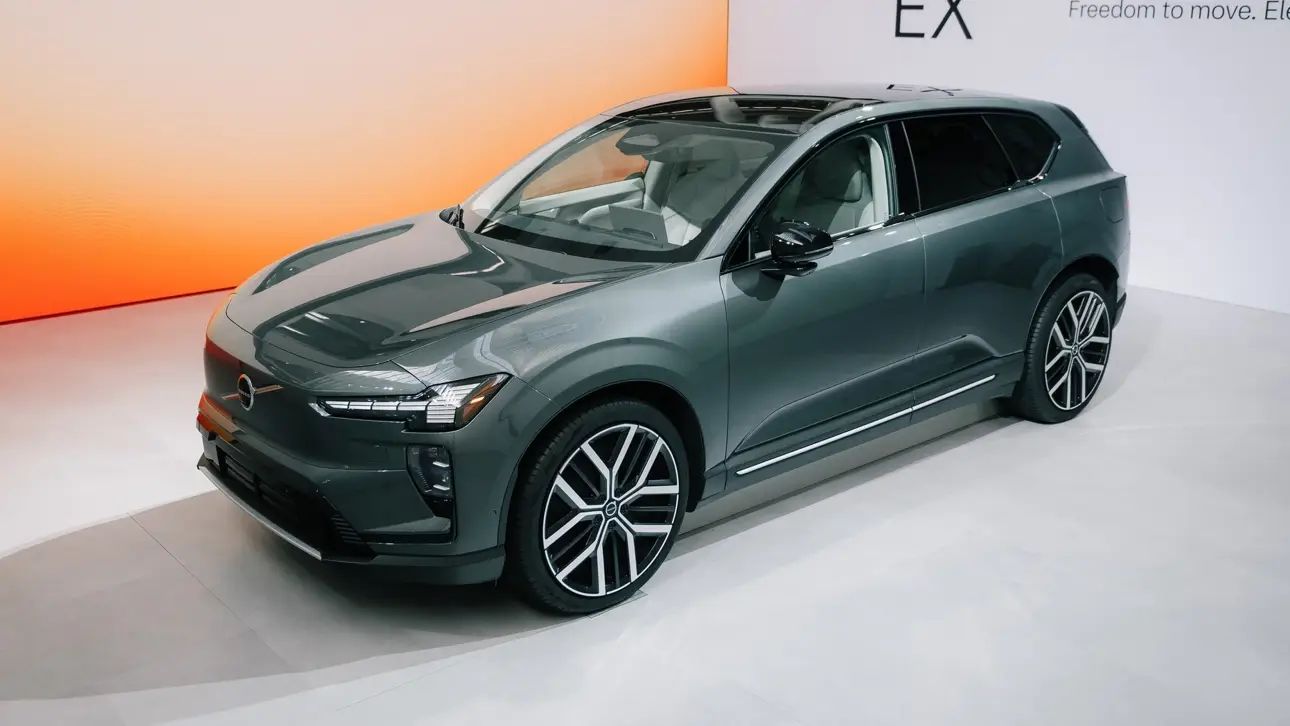
In the demo, the feature ran slower than Gemini Live on a phone. The reason is clear: the assistant has to get access to the car camera, process the query, find related information and deliver the answer through the infotainment system. For a passing reference about an object that’s tolerable. For a road situation where seconds count, not anymore. There’s no need to confuse an AI helper with an active safety system.
Gemini in Android Automotive will be able to control car functions more naturally than the old Google Assistant: climate, navigation, infotainment, possibly individual driver-assist settings. That’s the main win. The driver won’t have to remember the exact wording from the manual. You can speak more normally. Cars have long been able to listen, but often act as if a slightly different phrase or an accent is a personal insult. AI should take away at least part of that pain.
For automakers this is a new front in the competition. Tesla sells software as part of its image, Chinese brands are aggressively developing voice assistants and large screens, Mercedes, BMW, Volvo and Polestar are trying to make the digital cabin more than a showcase. Google is entering from a strong position: if Android Automotive gets smarter, brands won’t have to build a full AI ecosystem from scratch themselves. But the price of that is dependence on Google inside the car.
Gemini in the car is interesting not because it “sees the road.” The more interesting part is different: the car is gradually turning into a device that not only drives you, but also explains the world around you. What’s left is to make it do that in time, without distracting the driver and without asking for too much trust.
This English edition was prepared using AI translation under editorial oversight by SpeedMe. The original reporting is by Nikita Novikov
Latest Stories