The end of an in-between car: BMW retires the iX in America and hands the role to the iX5
 © A. Krivonosov
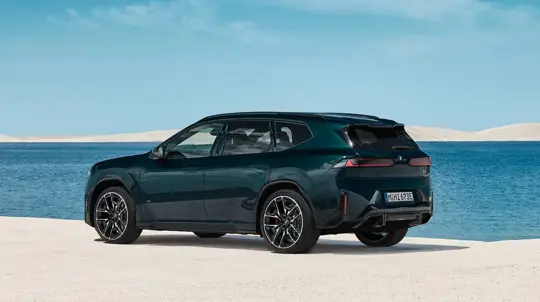
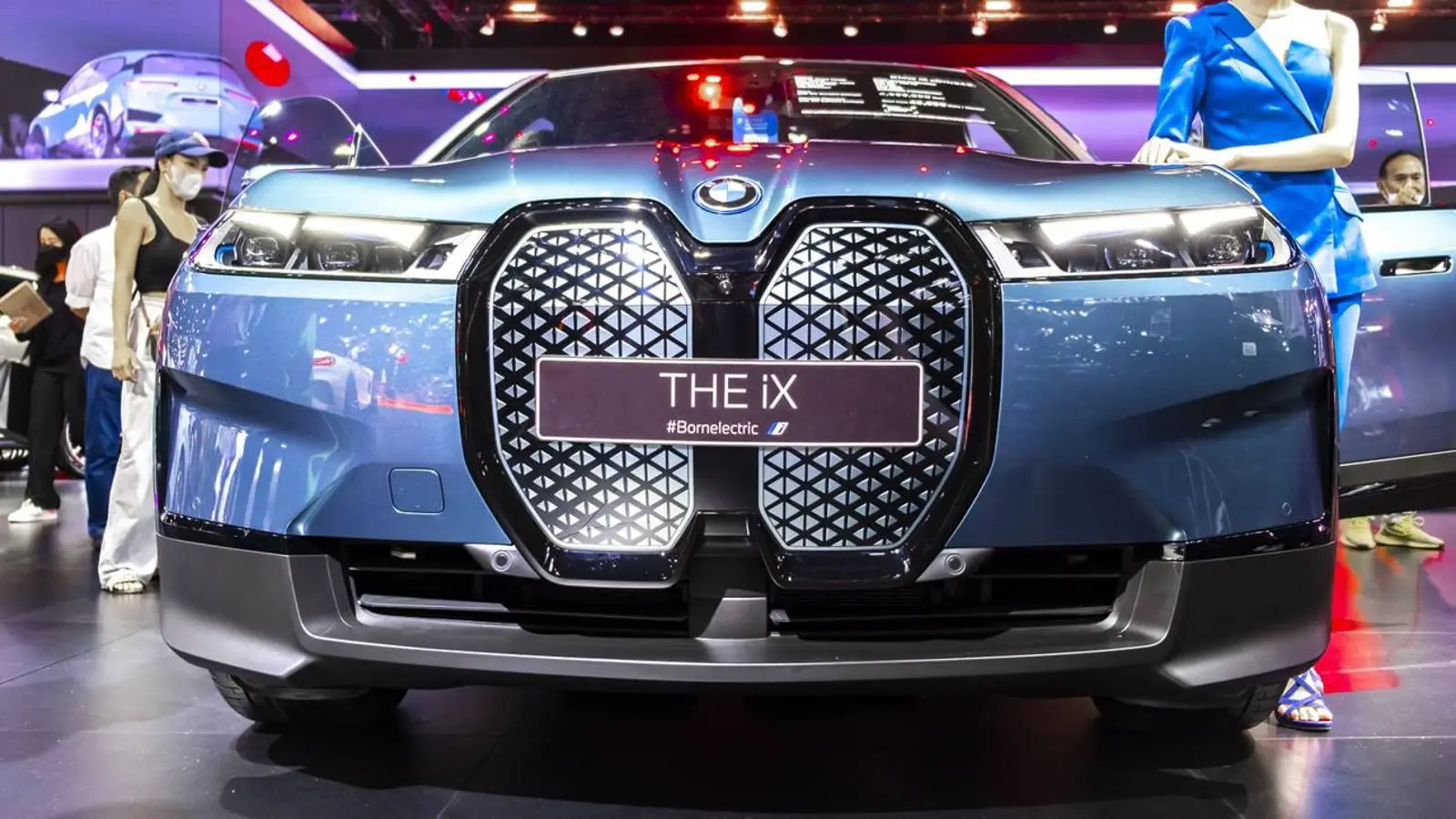
BMW is ending US sales of the iX after the 2026 model year and letting the iX5 inherit its place, while the electric SUV stays on sale in other markets into 2027, and in some as far as 2028.
Author: Polina Kotikova
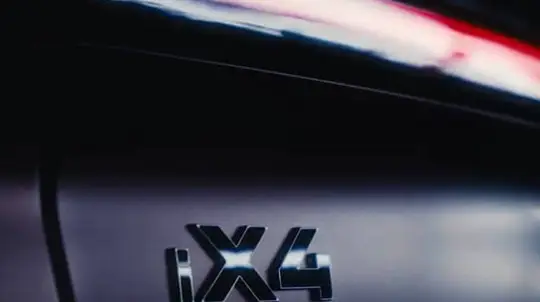
The BMW iX will leave the US market after the 2026 model year, though in other countries the electric crossover will stay on sale at least until 2027. The iX5 will take its place, while the iX itself remains a transitional model ahead of the Neue Klasse.
The iX is leaving the US not because it has become technically pointless, but because it turned out to be a car caught between two eras. It arrived as an experimental electric crossover with a dedicated platform, an unconventional design, a Carbon Cage and an interior that effectively prepared buyers for BMW’s new digital architecture. That role now passes to the Neue Klasse models and the upcoming iX5.
For the American market, the 2026 model year will be the last. Even though the iX recently received a facelift with calmer looks, updated batteries and software, it is still being pulled from sale in the US. The likely reason is not only modest demand but also the need to clear space for the electric X5. The iX5 is easier to explain to a buyer: a familiar name, a familiar hierarchy, fewer arguments about its styling.
Beyond the US, the iX will stay on sale for longer. According to Drive, the model will remain in the range at least until 2027, and in some countries it may hang on until 2028. That creates a rare situation: the iX and the iX5 will coexist for a while, even though they are close in size. The older iX will probably have to be pushed on price and equipment, because the new iX5 gets fresher battery technology, better efficiency and slots more neatly into BMW’s current design language.
The iX is worth seeing not as an “electric X5” but as a rare technological bridge. It can make sense with a big discount, a transparent history and a clear service path. Without that, the future iX5 will look like the safer bet — even if the iX itself stays the more unusual car.
This English edition was prepared using AI translation under editorial oversight by SpeedMe. The original reporting is by Polina Kotikova
Latest Stories