Sodium instead of lithium: the trick that could make Dacia's cheapest EV even cheaper
 © dacia.md
Renault and Dacia are testing sodium-ion cells for their most affordable electric cars. CATL promises LFP-level cost by late 2026 and up to 30% cheaper later, with the Dacia Hipster as the likely first taker.
Author: Polina Kotikova
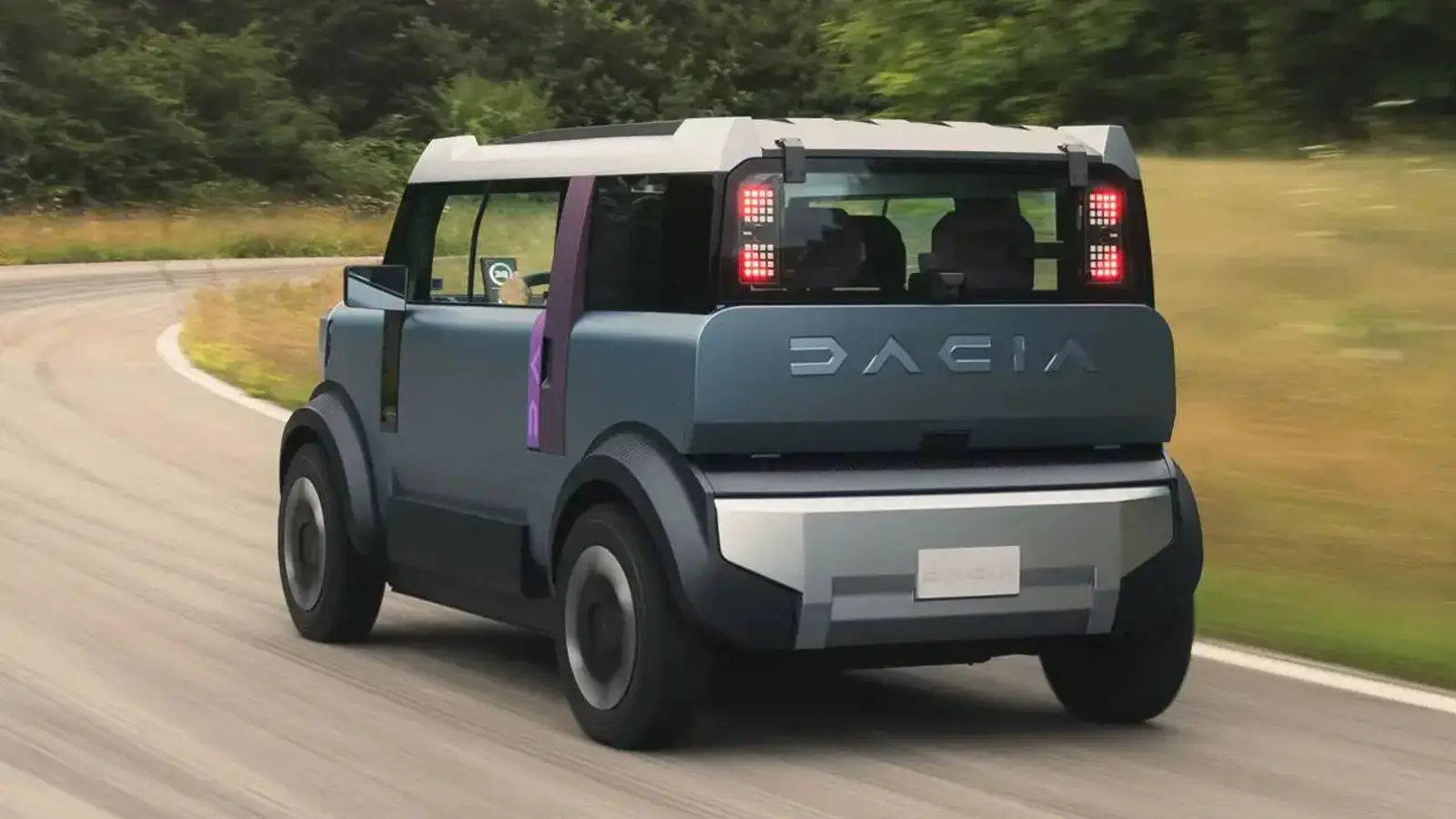
Dacia could become the first European brand bold enough to put sodium-ion batteries not into a lab prototype, but into a cheap, mass-produced electric car. According to several reports, the leading candidate is the upcoming Dacia Hipster — a heavy quadricycle where price matters more than record range. This is exactly the kind of case where a simpler battery turns out to be not a compromise, but the right tool.
Renault has long been exploring sodium-ion batteries for its cheapest Dacia models. The logic is straightforward: sodium is cheaper than lithium, and these cells don’t rely on some of the pricey materials such as copper and graphite. CATL expects that as early as the end of 2026 the second generation of sodium-ion cells will match LFP on cost at the cell level, and then could become up to 30% cheaper.
The upsides for a budget EV are obvious: a lower price, better behaviour in the cold, fast charging, a smaller carbon footprint and a service life of up to 10,000–15,000 cycles depending on the use case. The drawback is serious too — lower energy density. That’s why CATL first sees such batteries in cars with up to 500 km of range on the CLTC cycle, while the next generation should, in theory, push the bar to 600 km.
For Dacia this is an almost perfect fit. The Spring has already switched to LFP, and the Hipster was always meant to be the simplest, cheapest kind of urban transport — a rival to the future Fiat Multiplina. In a car like that, buyers care more about a low price, durability and predictability than about long-haul range on the motorway. Former Dacia boss Denis Le Vot put it bluntly a few years ago: sodium batteries are heavy and hold less energy, «but they’re cheap».
If Dacia or Renault really do prove out sodium-ion batteries in cheap EVs, a similar technology could reach Chinese city cars within a few years — think BYD, Changan, GAC, Dongfeng and JAC. Cold climates are where it matters most: if sodium confirms its winter advantages, it will look far more appealing than many budget lithium packs.
Still, don’t expect an overnight revolution. For big crossovers and long journeys, LFP and NMC remain more practical thanks to their energy density. A sodium-ion battery looks less like a replacement for the whole market and more like a way to make a cheap city EV less dependent on lithium and raw-material prices. That’s precisely why the first candidate isn’t the premium Renault, but Dacia.
This English edition was prepared using AI translation under editorial oversight by SpeedMe. The original reporting is by Polina Kotikova
Latest Stories