2027 Toyota C-HR: price, range and specs of the $37,080 electric crossover
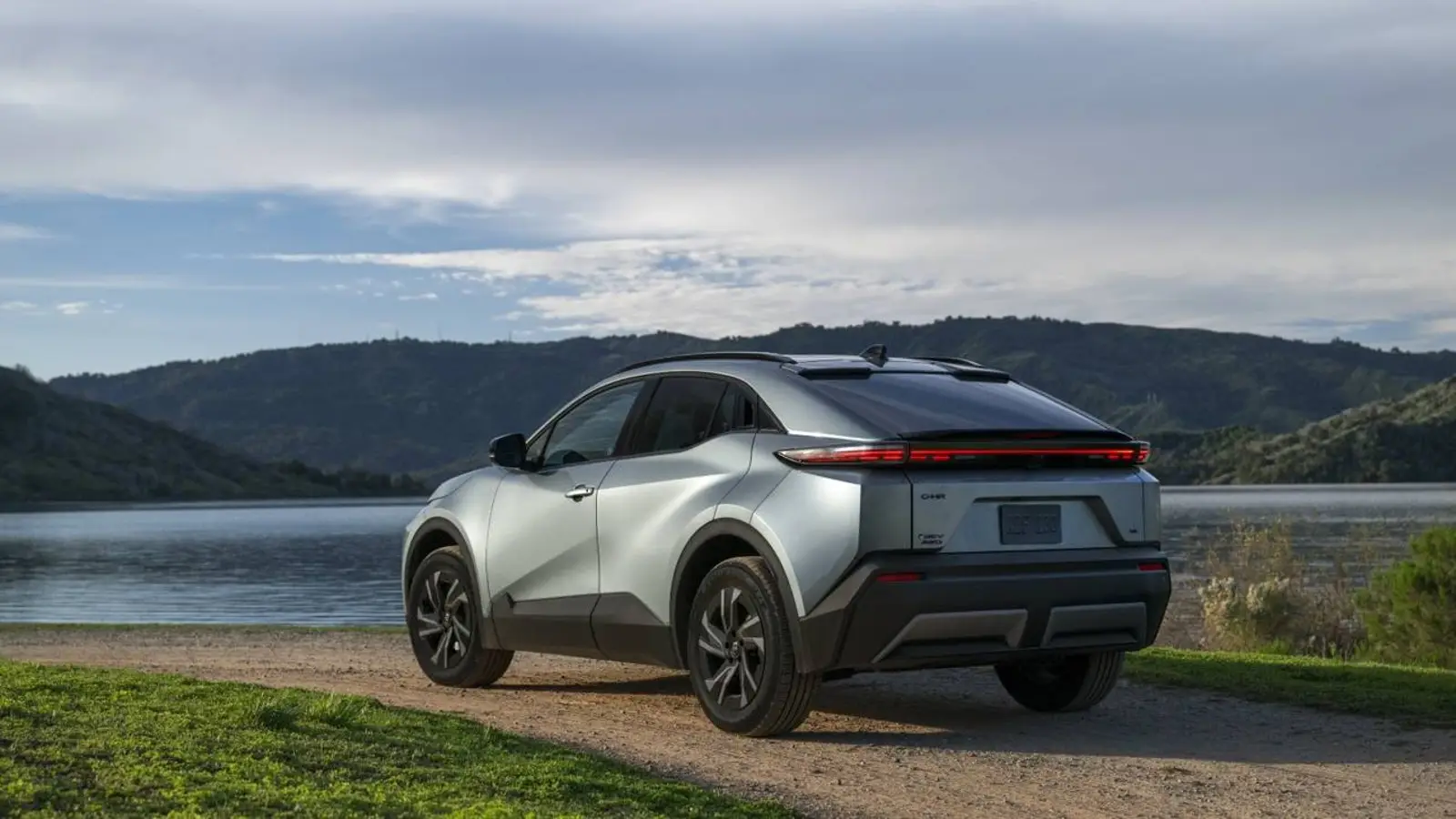 © toyota.com
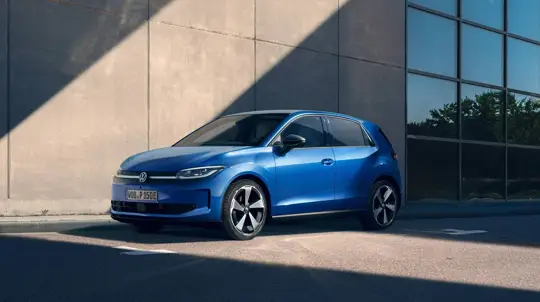
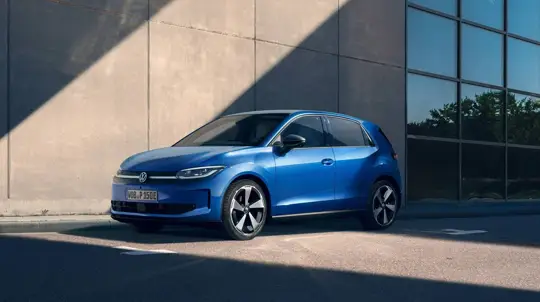
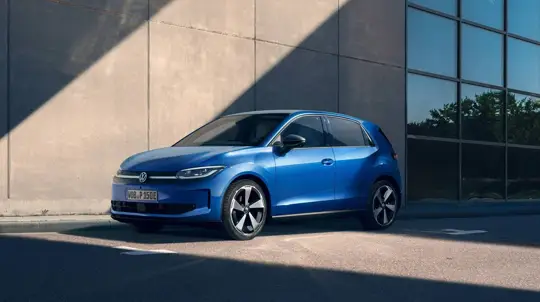
The 2027 Toyota C-HR starts at $37,080, only $80 up on last year, with 287 miles of range, 338 hp and standard all-wheel drive. Deliveries begin in September.
Author: Nikita Novikov
The 2027 Toyota C-HR is just $80 more expensive in the US, starting at $37,080 before delivery, taxes and dealer fees. Toyota says the first cars reach American dealers in September, and nothing has changed under the skin compared with the 2026 model that introduced the electric C-HR.
The previous model year opened at $37,000, so the increase works out at 0.2% — effectively the same sticker with a new model year on it. The mandatory delivery charge also stayed at $1,595, so those $80 really are the whole story.
Both grades, SE and XSE, use two electric motors, all-wheel drive and a 74.7-kWh battery. The 338 hp quoted in the US translate to roughly 343 metric horsepower. Toyota rates the 0–60 mph sprint at 4.9 seconds. DC charging from 10% to 80% takes about 30 minutes with a warm enough battery and a powerful enough station. The NACS port opens up compatible Tesla Supercharger stalls.
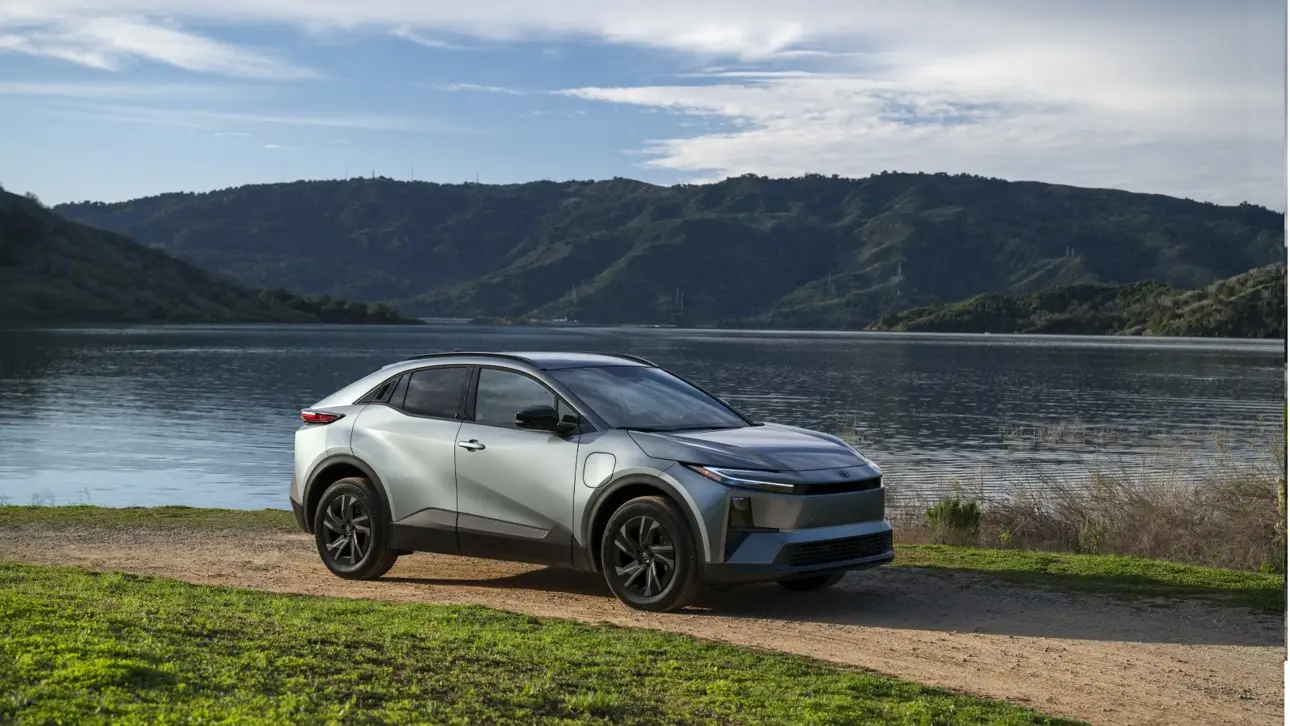
The entry-level SE on 18-inch wheels is rated at 287 miles, or 462 km, on the EPA cycle. The XSE with its 20-inch rims drops to 273 miles — about 439 km. Those bigger wheels cost around 23 km of estimated range without touching either the battery or the drivetrain.
The SE already includes a 14-inch screen, heated front seats and steering wheel, a power driver seat, a power liftgate, two wireless chargers, a digital key, blind-spot monitoring, rear cross-traffic alert and parking assist with automatic braking. Toyota Safety Sense 3.0 is standard as well. Both grades get steering wheel paddles for four levels of regenerative braking, a 1500-watt outlet in the cargo area and 59.5 cubic feet, or 1685 liters, of space with the rear seats folded flat.
The XSE adds SofTex and synthetic suede trim, a power passenger seat and memory for the driver seat, a surround-view camera system, Lane Change Assist and Traffic Jam Assist, with a panoramic roof and a nine-speaker JBL audio system on its options list. It costs $39,080 — $2,000 more than the base car.
Within Toyota’s own electric range the choice is far from obvious. The larger bZ starts at $34,980 for the 2027 model year, which is $2,100 less than the C-HR. That entry bZ is front-wheel drive with 165 hp — around 167 metric horsepower — and roughly 380 km of range. The extra money buys all-wheel drive, 343 horsepower and about 82 km more range in the C-HR. The 224-hp bZ versions and the long-range XLE FWD Plus, good for up to 505 km, sit higher up the ladder: the Plus asks $37,980, more than the base C-HR.
The European C-HR+ is a different animal: that version is front-wheel drive and rated at up to 607 km WLTP. It is a separate model with its own battery line-up, so neither its range nor its prices transfer to the American C-HR.
Toyota’s basic warranty in the US runs three years or 36,000 miles, about 57,900 km. Electric components, including the traction battery, are covered for eight years or 100,000 miles — roughly 160,900 km. Buyers also get five-year trials for part of the connected services, though mobile data and remote functions may cost money once the free period ends.
The rest of the electric line-up moved in exactly the same way: the bZ now starts at $34,980 and the bigger bZ Woodland at $45,380, both up by the same $80. Sales explain the caution. The bZ leads with more than 19,000 units so far this year, the C-HR sits second with close to 5000, the Woodland has only just passed 1000, and the C-HR’s twin, the Subaru Uncharted, is on about 2800.
The C-HR arrives in a market where buyers still lean towards hybrids: in the US Toyota is betting on them too. That makes a near-zero price increase look smarter than a serious update: Toyota keeps the car close to the $37,000 mark without widening the gap to the cheaper bZ.
This English edition was prepared using AI translation under editorial oversight by SpeedMe. The original reporting is by Nikita Novikov
Latest Stories