Ford Transit City 2026 Price in Germany: €35,990 Net, 254 km Range, and What's Behind the Discount
 © ford.com
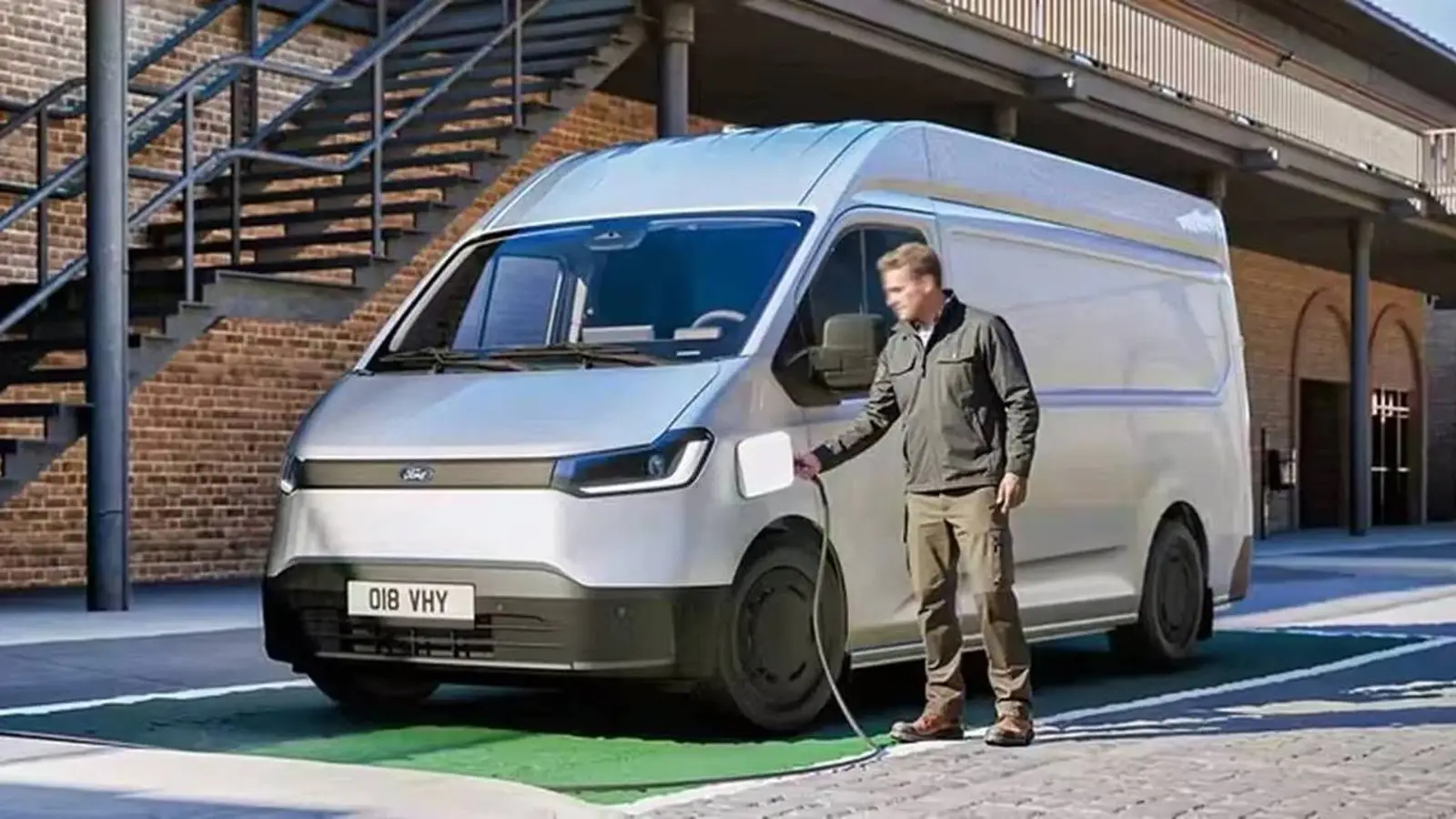
Ford's new electric Transit City starts at €35,990 net in Germany, about 26% below the E-Transit Custom. Behind the low price: a Jiangling Motors joint venture.
Author: Nikita Novikov
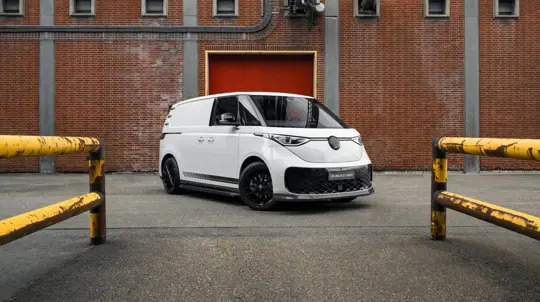
Ford has opened German orders for the electric Transit City: the L1H1 starts at €35,990 net (roughly $42,000), or €42,828 including VAT (about $50,000). A 56-kWh battery delivers up to 254 km of WLTP range. But that €35,990 headline figure isn’t the price customers actually pay — it’s the net price before tax. In its official statement on August 10, Ford Deutschland lists the L1H1 at €42,828 once Germany’s 19 percent VAT is added.
The Transit City is built around a single powertrain: a 110-kW (150-hp) front-mounted electric motor paired with a 56-kWh LFP battery. The short L1H1 covers up to 254 km on the WLTP cycle, and Ford claims up to 381 km in the urban cycle. The larger L2H2 sees its combined figure drop to roughly 223 km — a meaningful trade-off for buyers who need maximum payload. DC fast charging at up to 87 kW takes about 33 minutes to go from 10 to 80 percent.
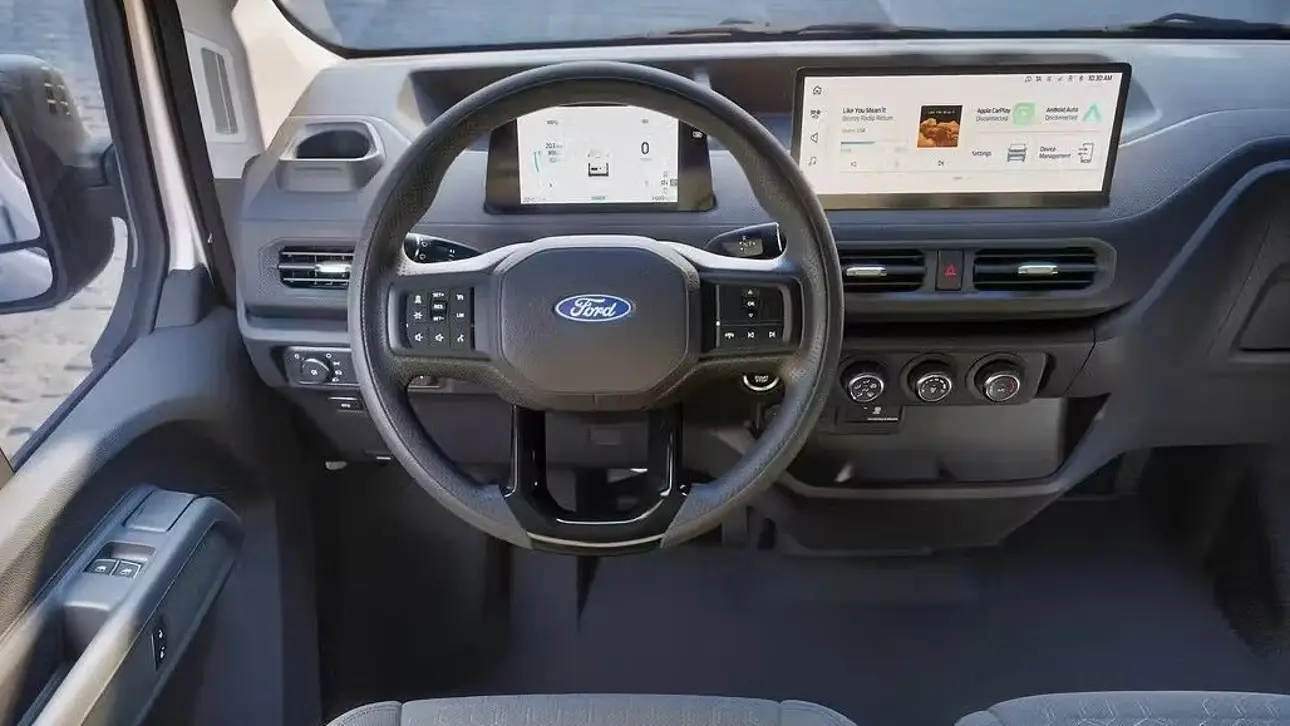
The simplified engineering is offset by solid cargo capability. The long-wheelbase version carries up to 1,275 kg and offers up to 8 cubic meters of space, while the short version manages up to 1,085 kg and around 6 cubic meters. Ford is also offering, for the first time in this class, a Transit City chassis cab with a single-cab layout. High-voltage components are covered by an eight-year, 160,000-km warranty.
The price gap within Ford’s own lineup turned out to be substantial. The base E-Transit Custom in Germany is currently listed from €48,700 net (about $56,900), against €35,990 for the Transit City. That’s a difference of €12,710, or roughly $14,850 — making the new van about 26 percent cheaper than the E-Transit Custom. Ford is also promising a two-year, 40,000-km service interval and estimates maintenance needs to be 40 percent lower than a comparable diesel van.
The model’s Chinese origins aren’t exactly front and center in Ford Deutschland’s press materials. Auto Motor und Sport reports that the Transit City is developed and built by Jiangling Motors in China, with Ford holding a 32 percent stake in JMC. That setup lets Ford add a cheaper electric van to its range while keeping it inside Ford Pro’s service and telematics infrastructure.
The model had already appeared in Ford’s European product renewal plan, but pricing wasn’t yet the headline back then. Now the story has moved from announcement to an actual price list: orders are open in Germany, with the first vehicles expected at dealers by the end of 2026.
This English edition was prepared using AI translation under editorial oversight by SpeedMe. The original reporting is by Nikita Novikov
Latest Stories