Mitsubishi Eclipse Sportback EV 2026: charging ports, speed and battery specs
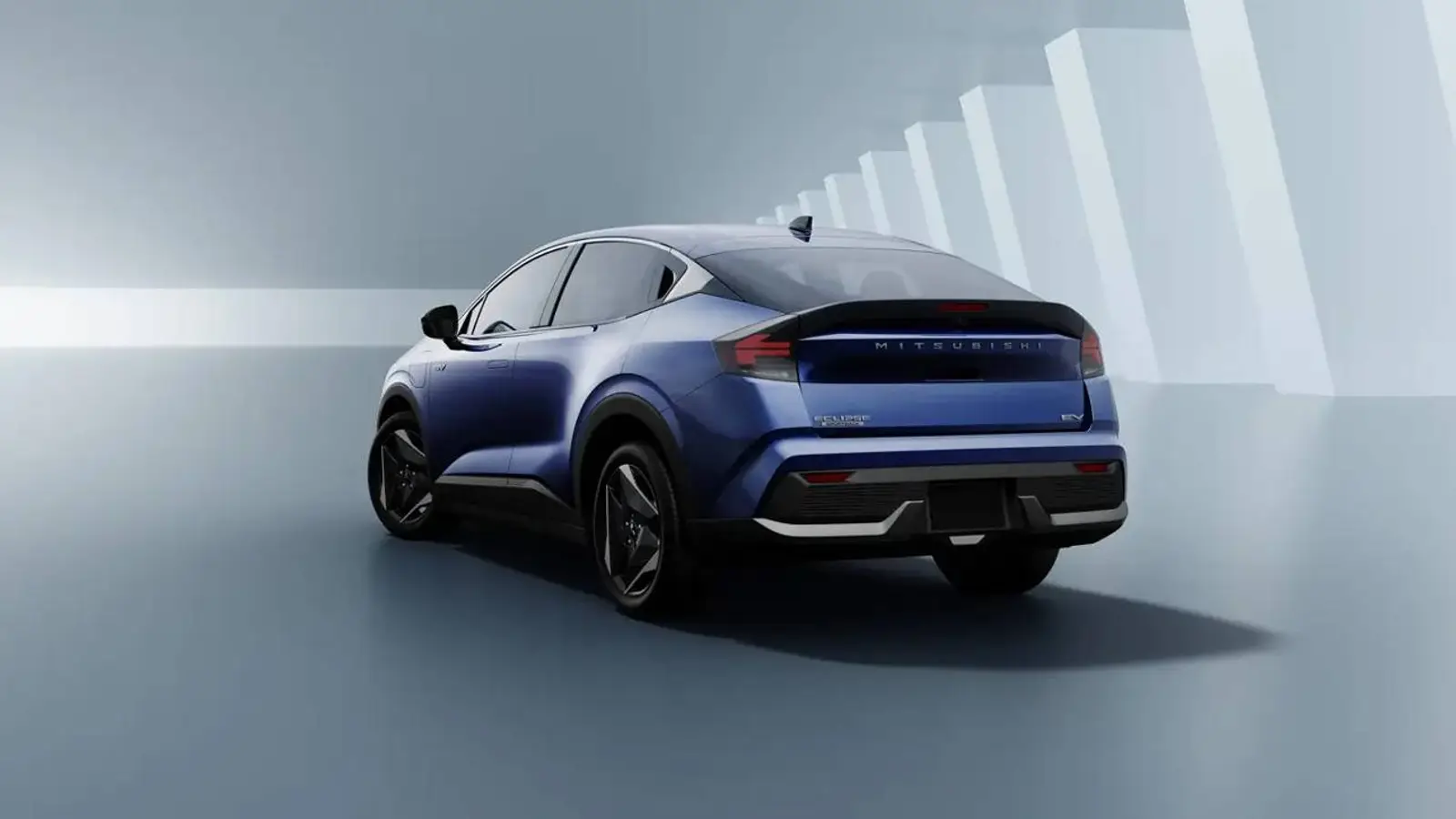 © mitsubishi-motors.com
Mitsubishi confirms 150 kW NACS fast charging for the Eclipse Sportback EV, plus a separate J1772 port for AC charging.
Author: Nikita Novikov
The Mitsubishi Eclipse Sportback EV won’t rely on a single universal charging port — it gets two separate ones instead. For DC fast charging, it uses NACS, giving access to compatible Tesla Supercharger stations, while SAE J1772 is kept for home and public AC charging. The setup comes along with the model’s technical foundation, shared with the new Nissan Leaf.
Mitsubishi confirms a maximum DC charging rate of 150 kW. Under suitable temperature and battery conditions, a charge from 10% to 80% should take about 35 minutes. The 75 kWh battery pack is liquid-cooled; the automaker links this to more stable charging, better range retention and longer durability. The company has not yet disclosed a final North America range figure for the Eclipse Sportback in this announcement.
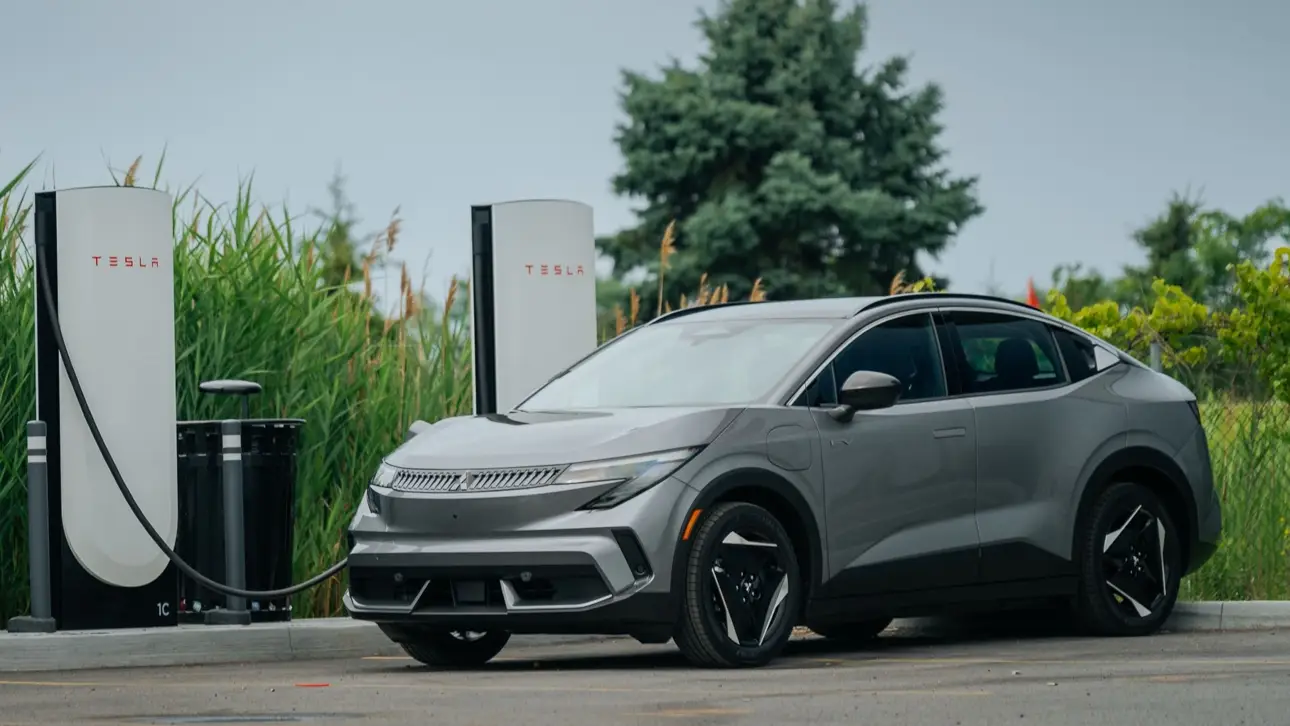
The practical logic behind two ports is simpler than the spec sheet suggests. NACS handles DC fast charging, while J1772 covers Level 1 and Level 2. That means owners won’t need an adapter for either a compatible Tesla Supercharger or an existing J1772 home charger. That detail is what sets this story apart from just another brand switching to NACS.
The car itself isn’t new to readers: the Eclipse Sportback was unveiled back in June as a North American electric crossover built on the Nissan Leaf platform, with Mitsubishi officially confirming it sources the model from Nissan under an OEM arrangement. Mitsubishi has, however, changed the exterior on its own — with a different front and rear end, lighting and wheels.
Sales in the US and Canada are planned for fall 2026. Mitsubishi hasn’t revealed pricing or final specifications yet — those details will show just how much the Eclipse Sportback ends up differing from the technically related Leaf beyond styling and badging.
This English edition was prepared using AI translation under editorial oversight by SpeedMe. The original reporting is by Nikita Novikov
Latest Stories