Japan driver monitoring system (DMS) mandate 2031: rules and thresholds
 © A. Krivonosov
Japan is preparing to make driver monitoring systems (DMS) mandatory from September 2031, tracking gaze and head position to catch distraction and drowsiness.
Author: Nikita Novikov
Three and a half seconds of looking down will be enough for a new car to demand the driver's eyes back on the road. Japan is preparing to make driver monitoring systems (DMS) mandatory from September 2031, Nikkei reports. The requirement is expected to cover both Japanese and imported new models, and from 2033 it would extend to vehicles already in production.
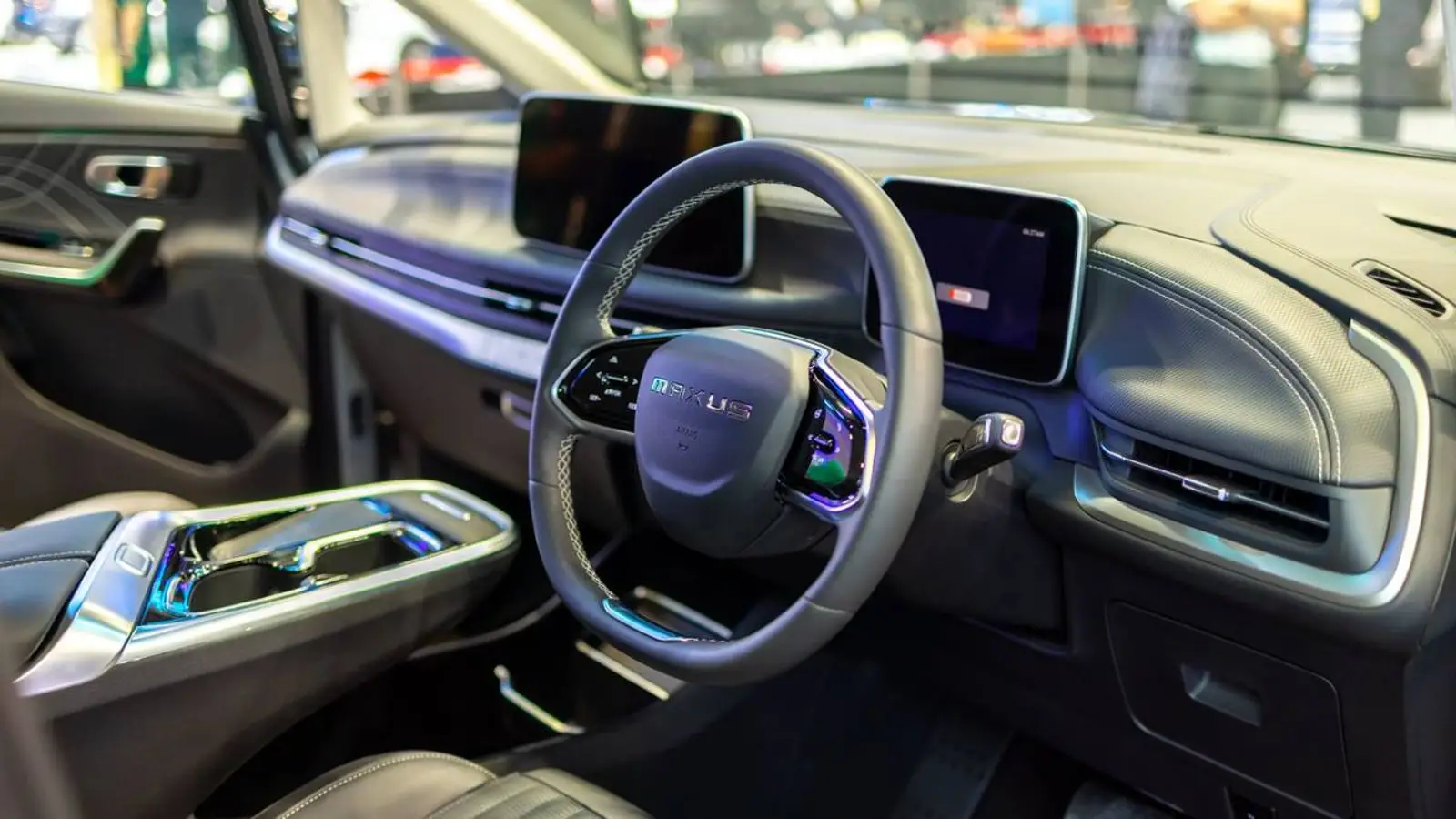
A camera and sensors will analyze gaze direction and head position. At speeds above 50 km/h, a warning is planned after 3.5 seconds of continuous gaze into a hazardous zone — down at a smartphone, for example. Between 20 and 50 km/h, up to 6 seconds is allowed. These parameters match the requirements UNECE has prepared for its ADDW system, designed specifically to catch visual distraction.
Drowsiness is regulated separately. In March 2026, UNECE adopted a new DDAW regulation requiring a warning when signs of fatigue are detected. In Japan's version, the system would analyze eyelids, eye movement and steering inputs at speeds of roughly 70 to 130 km/h.
The practical case for such cameras is easy to see against data showing that after a sleepless night, steering control can start to degrade within just a few minutes. The electronics, however, will judge not a person's intent to pick up a phone but measurable signals — chiefly the direction and duration of the gaze. Similarly, heavy cognitive load changes a driver's braking and decisions, even though DMS itself does not remove the underlying cause of distraction.
According to Japanese media, the Ministry of Land, Infrastructure, Transport and Tourism is expected to finalize the changes to national technical requirements in September. For now, the timeline is more accurately described as planned, while the underlying international standards for fatigue and distraction monitoring are already confirmed in UNECE documents.
This English edition was prepared using AI translation under editorial oversight by SpeedMe. The original reporting is by Nikita Novikov
Latest Stories