Renault Captur Full Hybrid E-Tech 160: 1.8-liter engine, 158 hp and 24.5 km/L
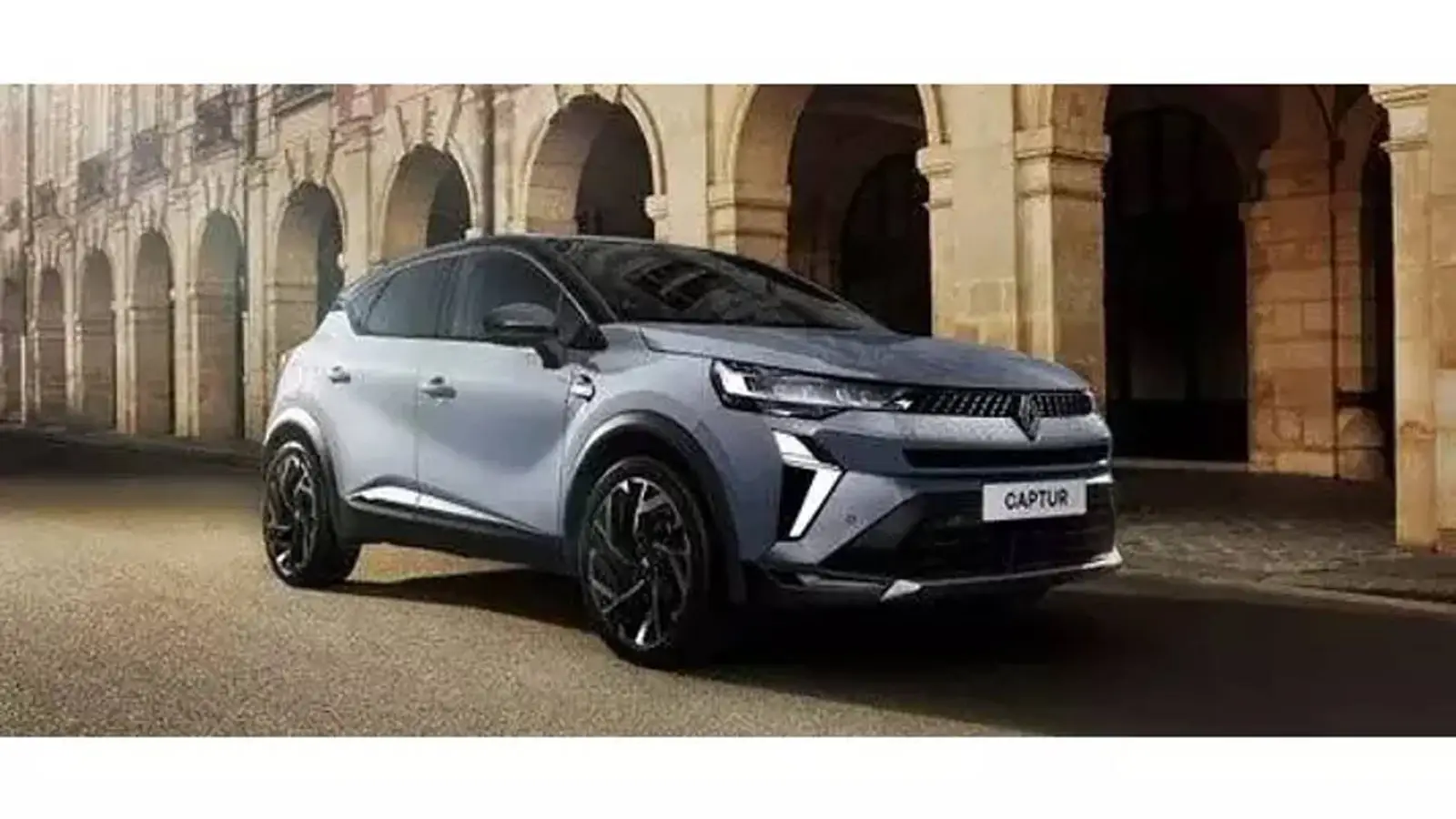 © media.renault.com
Renault’s updated Captur Full Hybrid E-Tech pairs a 1.8-liter engine with 158 hp, 24.5 km/L WLTC efficiency and a ¥4.94 million price in Japan.
Author: Nikita Novikov
About 21 liters of fuel per 10,000 km is the calculated saving from the updated Renault Captur under identical driving conditions. The more noticeable gain is performance: 0–100 km/h is 1.7 seconds quicker. Renault Japan has launched the Esprit Alpine Full Hybrid E-Tech at ¥4.94 million.
Compared with the previous version, engine displacement rises from 1.6 to 1.8 liters. It remains a naturally aspirated inline-four, but now uses 350-bar direct fuel injection. Combustion-engine output increases from 94 to 109 hp, while torque climbs from 148 to 172 Nm.
Total hybrid output rises from 143 to 158 hp. The traction battery grows from 1.2 to 1.4 kWh, while control software for the multimode dog-clutch transmission has been optimized. The 0–100 km/h time drops from 10.6 to 8.9 seconds.
Under Japan’s WLTC cycle, fuel economy improves from 23.3 to 24.5 km/L. In liters per 100 km, that is roughly 4.29 versus 4.08 L/100 km. The difference is about 0.21 L/100 km, or around 21 liters over 10,000 km under the same conditions.
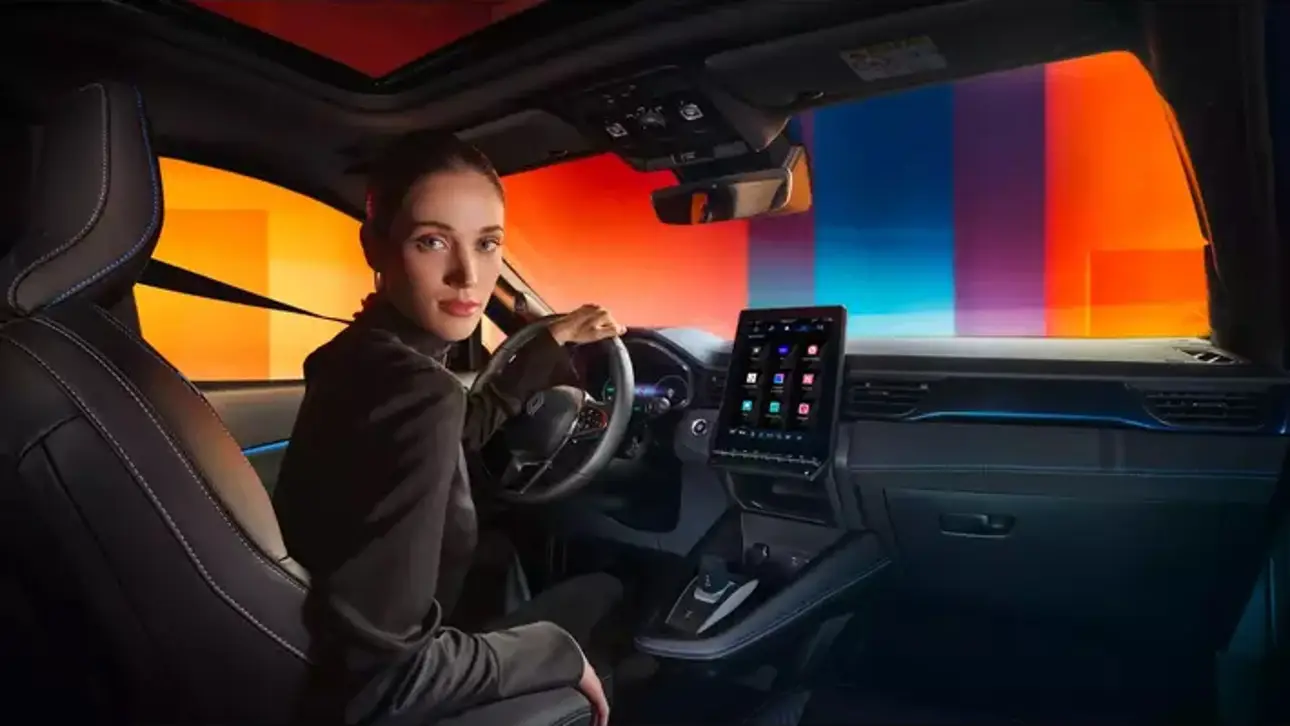
The updated model gets Google Maps and Google Assistant built in, a 10.4-inch central display, a nine-speaker harman/kardon audio system, a 360-degree camera system and driver monitoring. In Japan, Google automotive services and related My Renault connected functions are included for eight years at no extra charge.
The previous Captur Esprit Alpine Full Hybrid E-Tech was listed at ¥4.699 million in July. The new version is ¥241,000 more expensive, an increase of about 5.1%. Given the relatively small fuel-economy gain, the update’s main value lies in stronger performance, the revised powertrain and richer equipment rather than fuel savings alone.
The E-Tech 160 system is not a global debut. The European Captur received the new 1.8-liter hybrid powertrain in May 2025, with the Japanese market following later.
This English edition was prepared using AI translation under editorial oversight by SpeedMe. The original reporting is by Nikita Novikov
Latest Stories