Li Auto L9 SUV Livis version: embodied intelligence flagship unveiled
 © lixiang.com
Li Auto introduces the L9 SUV Livis version with 2560 TOPS computing, 800V active suspension, and EREV platform. Explore its features, competition, and growth strategy.
Author: Nikita Novikov
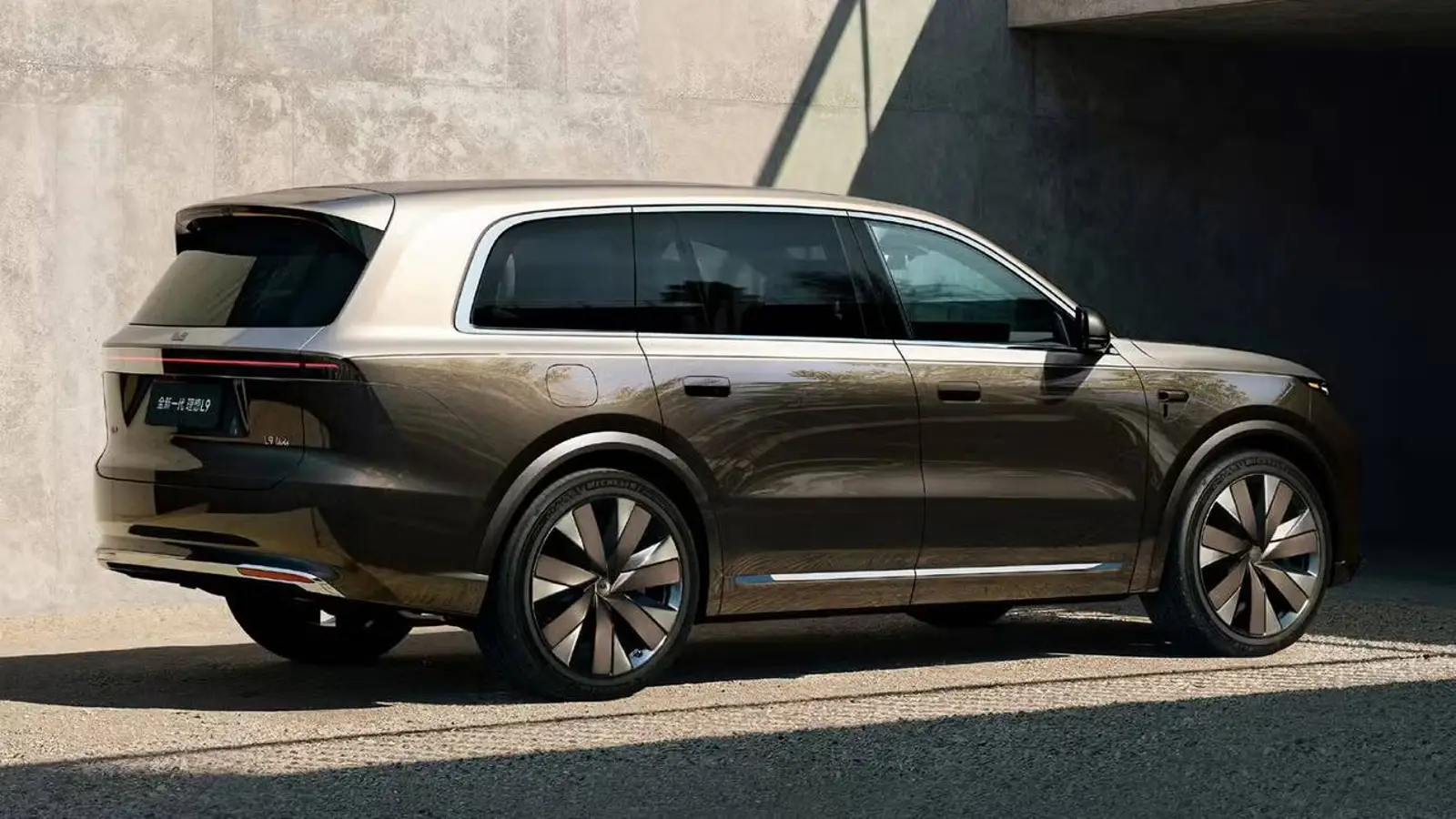
Li Auto has unveiled the updated L9 SUV, which the company calls its "embodied intelligence flagship." The main news is the introduction of the top-tier Livis version, which features significant technical changes and a record-breaking price.
What's New in This Generation
The focus is on the computing platform. The Livis version comes with two proprietary M100 chips built on a 5-nm process, delivering a total power of 2560 TOPS—three times higher than Nvidia Thor-U. This technological package is complemented by a LiDAR with 360-degree coverage, advanced electronic architecture, and a new perception system.
The suspension has also been upgraded to a new level: an 800-volt fully active system provides over 10,000 N of lift force per wheel, while steer-by-wire, four-wheel steering, and EMB create what Li Auto positions as a "premium dynamic benchmark."
Design, Features, and Expectations
Livis is the first L9 to feature a two-tone body and an extended glass package. The company hasn't disclosed all the parameters of the standard trims, but a switch to the M100 chip and the new Snapdragon 8797 for the multimedia environment is expected.
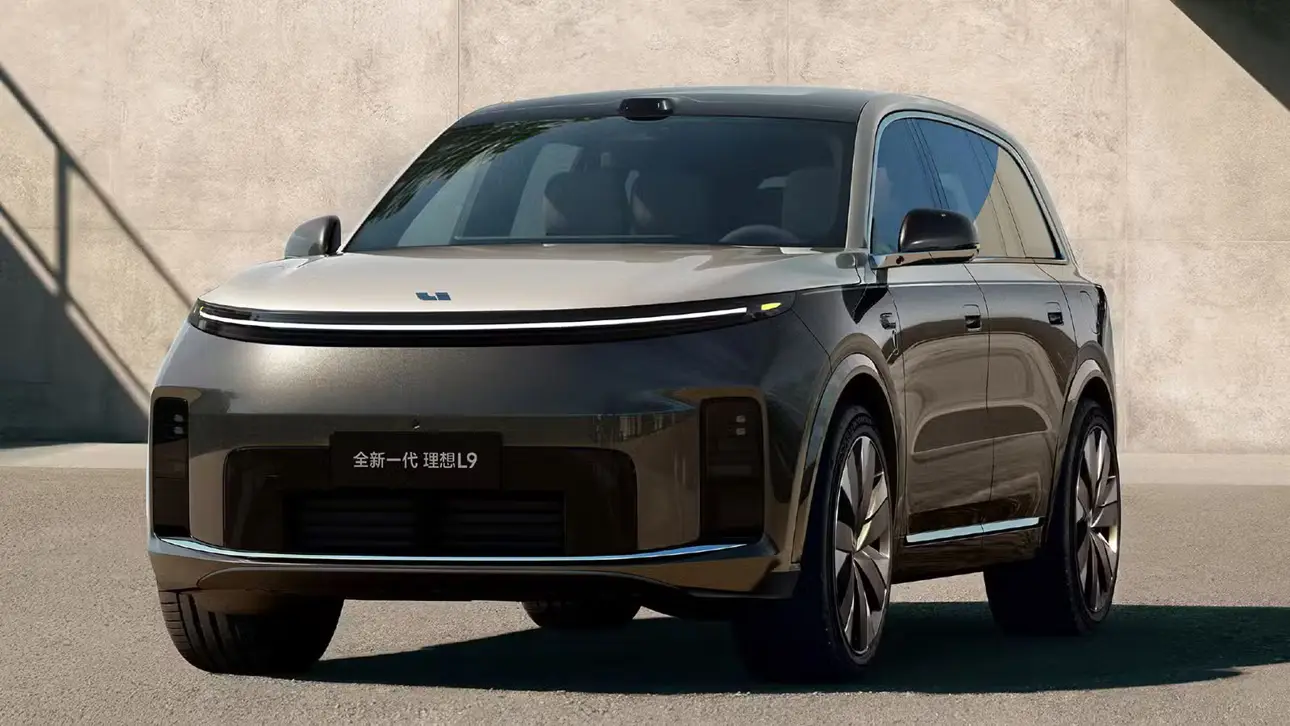
The EREV platform has been retained, but updates to the chassis and battery (over 70 kWh) should extend the electric range to over 400 km. Visually, the model has received minimal tweaks, emphasizing technological evolution over stylistic changes.
Sales Slump and Growth Strategy
2025 has been a challenging year for Li Auto, with 406,343 vehicles sold marking an almost 19% decline. The company is returning to strengthening its EREV lineup, aiming to make the second-generation L9 a leader and achieve roughly 40% growth in 2026.
The L9 remains the brand's flagship image SUV, and the Livis version serves as a showcase for technologies that will later trickle down to mass-market models.
Competition
The updated L9 Livis is positioned above direct competitors in terms of computing power and chassis. The NIO ES8 offers a powerful BEV package and advanced autopilot but falls short on active suspension. The Huawei Aito M9 competes with its "smart" cockpit architecture, though it lacks a comparable 800V active suspension and steer-by-wire combination. The Mercedes-Benz GLS Hybrid excels in luxury but is less technologically integrated. The BMW X7 and Volvo EX90 provide strong safety systems but don't reach the 2560 TOPS level.
In essence, Livis carves out its own niche: an EREV flagship with a computing platform more akin to a robotaxi than a traditional premium SUV.
This English edition was prepared using AI translation under editorial oversight by SpeedMe. The original reporting is by Nikita Novikov
Latest Stories