Exeed pioneers electromechanical brakes for electric vehicles
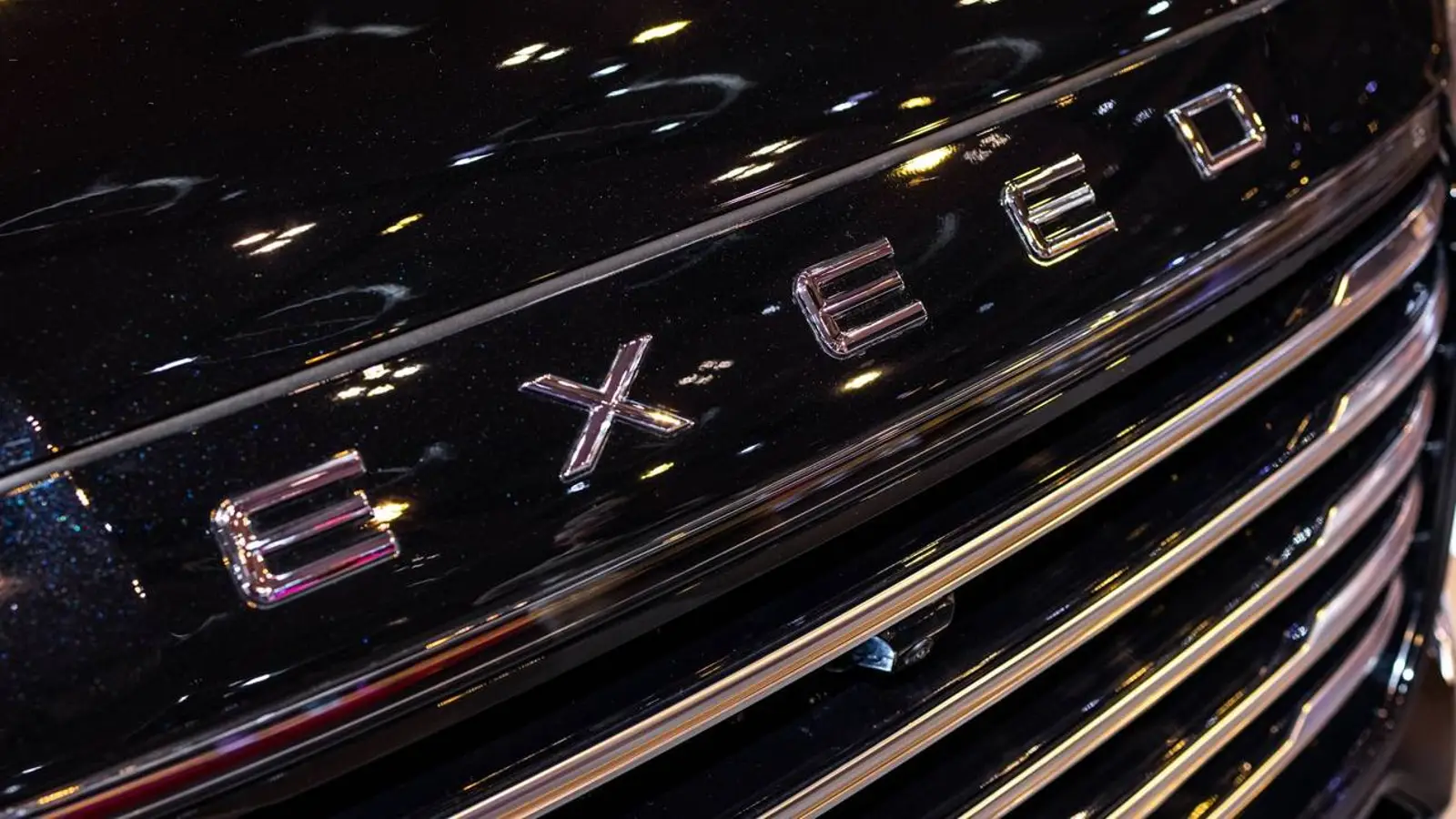 © A. Krivonosov
Exeed is set to mass-produce electromechanical brakes, replacing hydraulic systems with electronic actuators. Learn about China's 2026 standards and the impact on EVs and autonomous driving.
Author: Daria Kashirina
Exeed is set to become one of the first automakers to bring electromechanical brake technology into mass production. The EMB system completely abandons traditional hydraulic circuits—braking force is generated by electric actuators and controlled by electronics, according to Autopilot.
The development of this technology is supported at the state level: starting January 1, 2026, China will enforce the GB21670-2025 standard, which regulates requirements for electric braking systems. This document establishes norms for redundancy, functional safety, and reliability, paving the way for the serial application of such solutions.
Following the Exeed EX7, the similar system is expected to be adopted by the Exlantix ET electric vehicles, which have already undergone testing under the new standard. Meanwhile, component suppliers are preparing EMB for industrial production. The shift to a "digital" chassis, where brakes and steering are electronically controlled, is crucial for the development of autonomous vehicles. However, widespread adoption of the technology is currently limited by concerns over cost, actuator performance, and system redundancy.
Electromechanical brakes represent a logical step in the evolution of automotive platforms. They simplify the architecture and open up possibilities for autonomous driving. But before mass implementation, their absolute reliability must be proven—especially in critical on-road situations.
This English edition was prepared using AI translation under editorial oversight by SpeedMe. The original reporting is by Daria Kashirina
Latest Stories