Peugeot brings the future home: three new electrified models heading to Mulhouse
 © A. Krivonosov
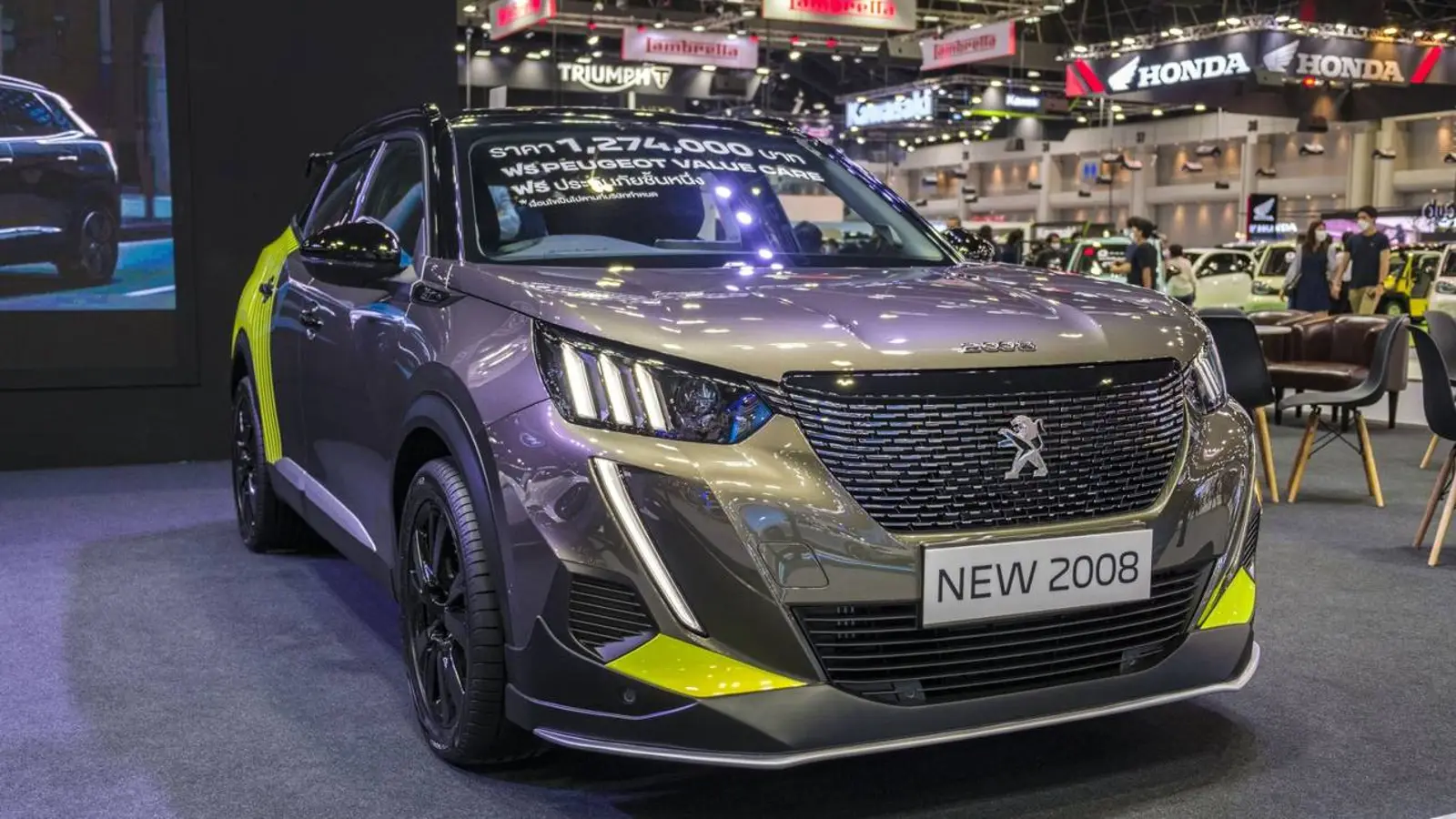
Stellantis picks its Mulhouse factory for three new electric and hybrid Peugeots on the STLA One platform, starting in 2029, as part of a wider €1 billion French plan.
Author: Nikita Novikov
Stellantis has picked its Mulhouse plant to build three new electric and hybrid Peugeot models. Production will start in 2029, with the site itself receiving a €400 million investment.
It is part of a broader French push by Stellantis. French President Emmanuel Macron had earlier spoken of €1 billion in group investment into the country. On top of upgrading the factory, another €500 million will go into research and development — mostly around the new STLA One platform.
STLA One is becoming one of the key building blocks of the group’s new strategy. The platform is built for the future line-up of electrified cars, where Peugeot has to cut costs, keep production in Europe and at the same time fend off Chinese brands that are aggressively pushing on price.
According to Reuters sources, the platform will debut first in Spain in 2027, on the new Peugeot 208. Mulhouse will join later, but straight away with three models. For the plant it is an important signal: as the industry shifts to EVs and hybrids, European sites are fighting not only for volume, but for the right to build new platforms rather than to coast out their lives on old ones.
For buyers, the meaning will only become clear later — in pricing, range, hybrid versions and delivery timelines. But for Peugeot this is already a statement: the brand does not want to hand mass-market electrification to imported rivals and is bringing its new hardware closer to its home market.
By 2029 the question will not be whether Peugeot has new EVs and hybrids. The question will be whether they can be affordable enough that the Mulhouse investment does not end up looking like just an expensive gesture of support for the French car industry.
This English edition was prepared using AI translation under editorial oversight by SpeedMe. The original reporting is by Nikita Novikov
Latest Stories