Brightness isn't everything: what independent headlight tests really reveal
 © A. Krivonosov для SPEEDME.RU
Consumer Reports and IIHS check more than certification — they measure real nighttime visibility, glare and beam evenness.
Author: Yulia Ivanchik
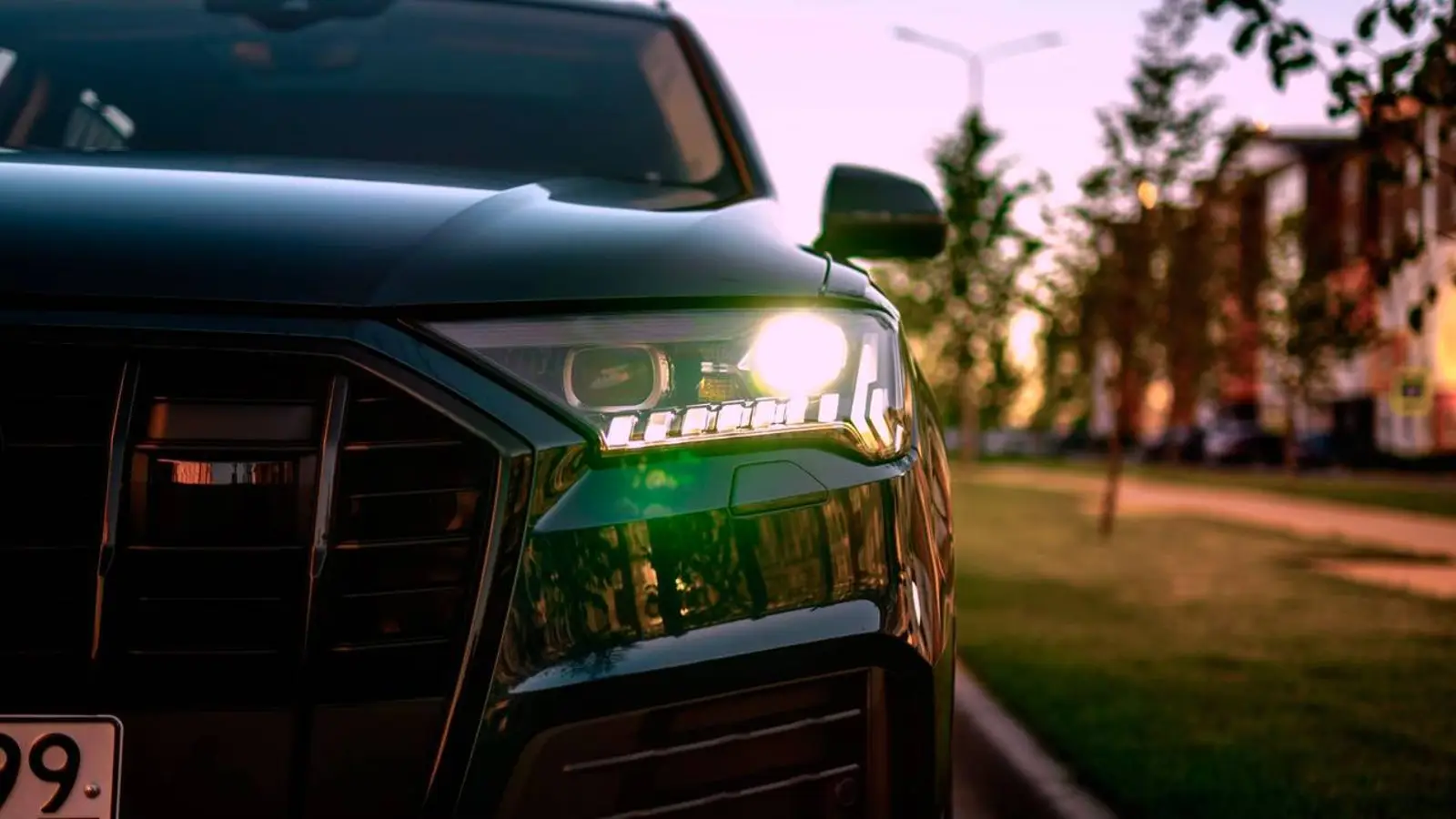
Good headlights aren't just about bright LEDs and a pretty light signature inside the housing. Even brand-new cars that fully meet the mandatory standards can post middling or weak scores in independent tests. The reason is that experts evaluate more than formal certification — they look at real nighttime visibility.
Consumer Reports takes a combined approach. First, the headlights are checked in a windowless indoor space: testers assess the aim and any stray light that can hurt visibility in bad weather. Then the car is taken out to a track at night. Engineers switch between low and high beams and observe how well the driver can spot dark obstacles on the road. Reach, intensity, width and evenness of the beam all count.
IIHS focuses on dynamic testing. The car is tested «as delivered», with no preliminary aim adjustment. Light is evaluated on five sections: a straight, gentle left and right curves, and sharp left and right curves. Each section is driven with low and high beams, measuring how far the lights illuminate the road at an intensity of at least 5 lux. Low-beam glare for oncoming drivers is also checked separately.
The takeaway for drivers is simple. A good headlight shouldn't just «blast bright» — it should evenly light the road, shoulder and curves without creating excess glare. IIHS notes that in the 2025 model year, 51% of the systems tested earned a «good» rating, while roughly 16% landed at «marginal» or «poor» — due to weak visibility, excessive oncoming glare, or both at once.
This English edition was prepared using AI translation under editorial oversight by SpeedMe. The original reporting is by Yulia Ivanchik
Latest Stories