When the range gap becomes a legal case: Germany rules for EV owners
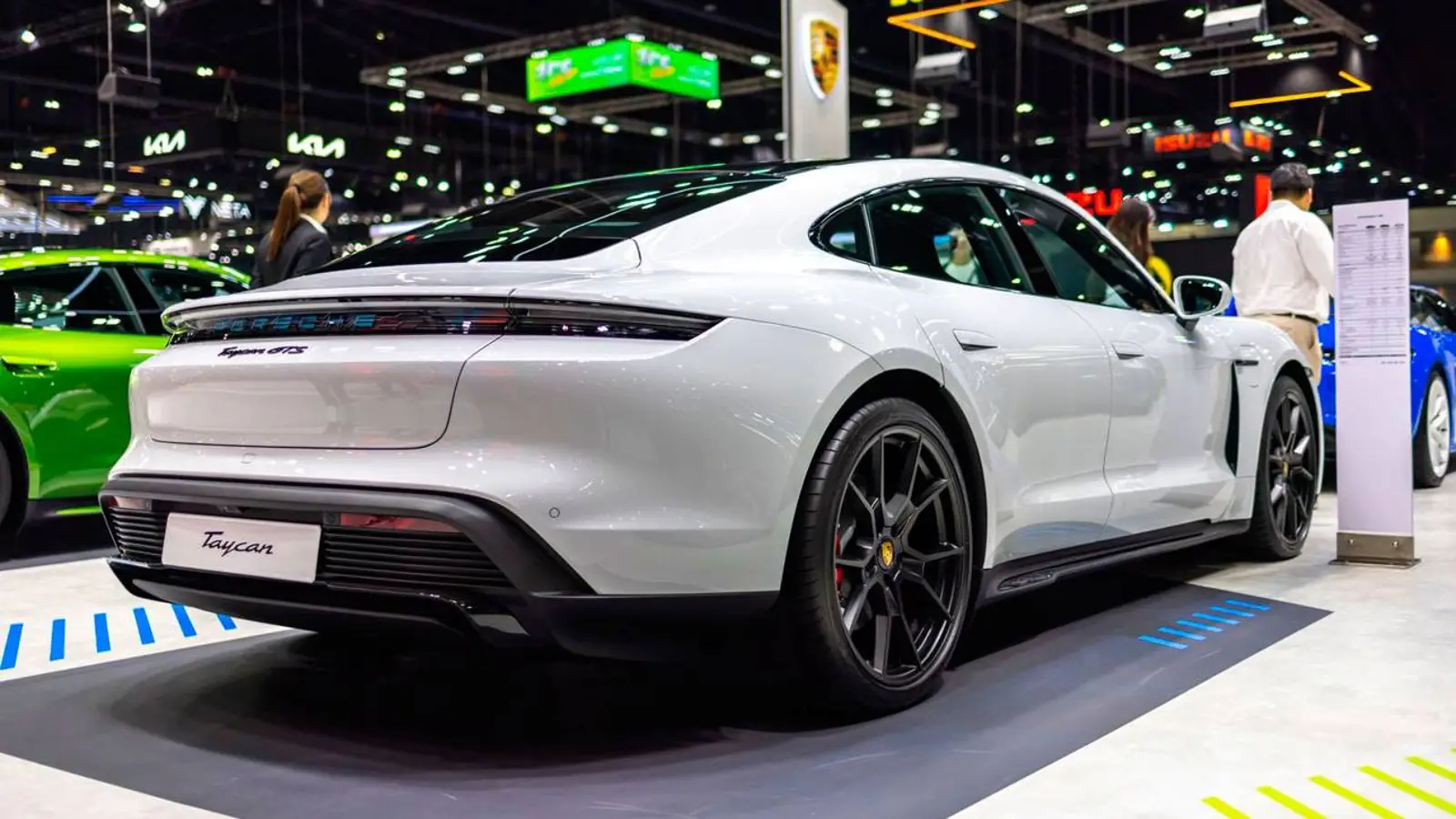 © A. Krivonosov для SPEEDME.RU
A German court has confirmed that if an electric car's real range falls far below the WLTP figure because of a technical defect, the owner can claim compensation or hand the car back.
Author: Yulia Ivanchik
An electric car's range rarely matches the WLTP figure on paper, but sometimes that gap can turn into a legal problem. In Germany, a recent court ruling has shown that if the real range falls far short of the declared one because of a technical defect, the owner can demand compensation or return the car.
Gregor Kolbe, an expert at the German consumer association VZBV, explains that an ordinary deviation from WLTP is not yet a defect. The laboratory cycle exists to compare models, while in real life consumption is shaped by speed, heat, cold, heating, air conditioning, the route and driving style. So an SUV rated at 550 km on paper that covers around 350 km in harsh conditions is not necessarily faulty.
The situation changes when the deviation is simply too large and cannot be explained by operating conditions. By analogy with combustion cars, where a significant excess in consumption can count as a defect, the same approach is now being applied to EVs. Proving it, however, is hard: photos of the dashboard and personal notes only serve as hints, while the decisive piece is usually the report of an independent expert.
In the case cited by the source, the assessment revealed premature ageing of the battery cells, which noticeably reduced usable capacity and range. The key takeaway — an EV owner can challenge the seller not over any difference from the advertised figure, but only when a fault has been technically confirmed.
This English edition was prepared using AI translation under editorial oversight by SpeedMe. The original reporting is by Yulia Ivanchik
Latest Stories