Aston Martin V12: why it survives until 2035 and how the under-1000-cars exemption works
 © A. Krivonosov
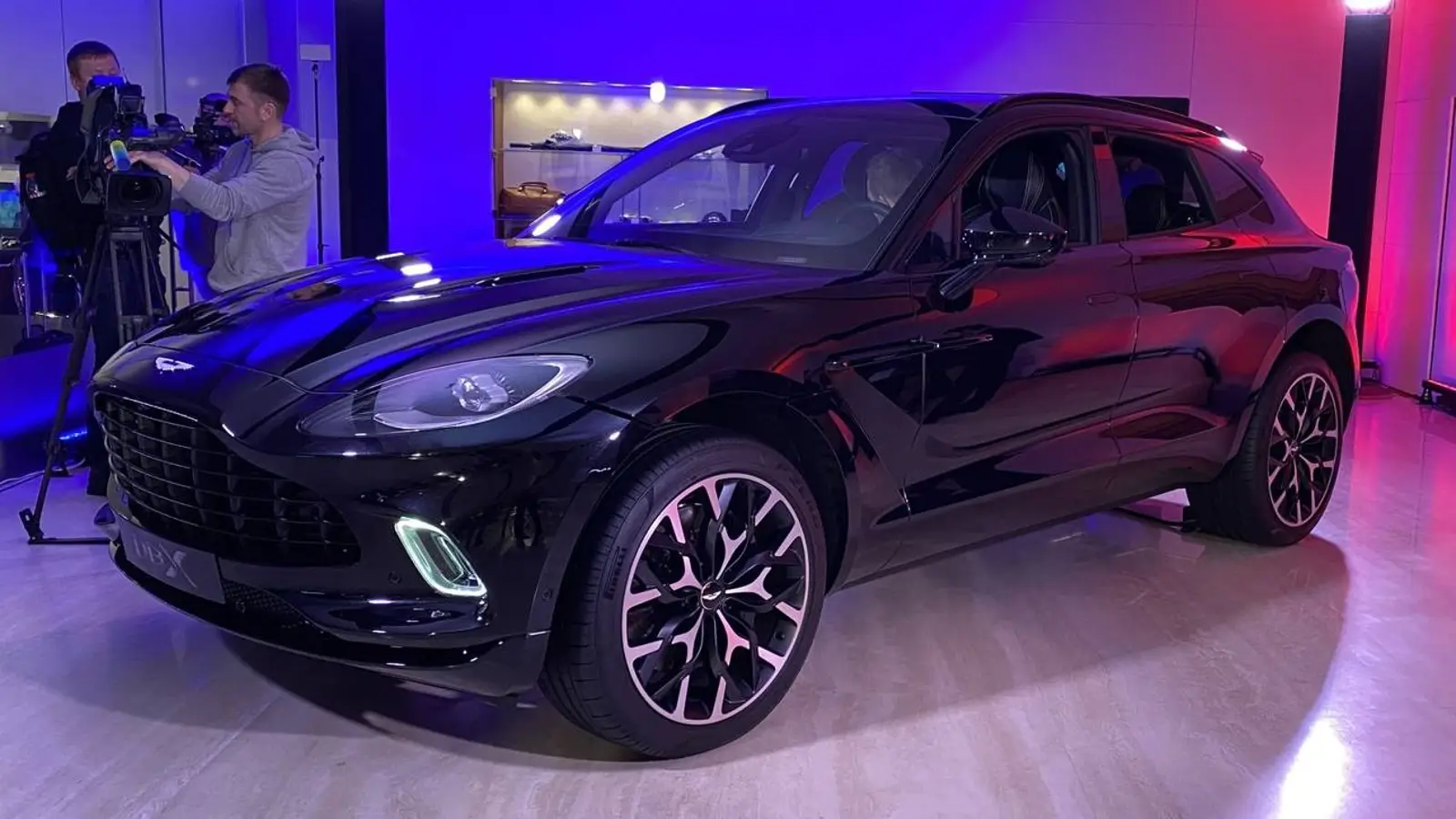
Aston Martin can keep building the V12 until at least 2035 if sales of its twelve-cylinder models stay under 1000 a year. The Vanquish unit makes 835 hp and 1000 Nm.
Author: Polina Kotikova
Aston Martin has found a legal rather than a technical way to save its V12. According to Auto Express, as long as sales of its twelve-cylinder models stay below 1000 cars a year, the brand can rely on exemptions from strict emissions rules until at least 2035.
That changes the tone of the whole story. Not long ago the new Vanquish with its 5.2-litre V12 looked like a farewell gesture before the era of hybrids and EVs. Now Aston Martin has a window of almost a decade — but with an uncomfortable condition: the V12 survives not in volume, but as an expensive, limited product.
The engine is already adapted to current European and US requirements. The new unit delivers up to 835 hp and 1000 Nm, and these versions account for almost a fifth of the brand's sales, according to Aston Martin boss Adrian Hallmark. For a small company it is more than image: the V12 helps keep the average transaction price high and sets Aston Martin apart from sports cars where emotion is increasingly replaced by hybrid torque.
Rivals are in different places. Ferrari still clings to the naturally aspirated V12 in the 12Cilindri and Purosangue, Lamborghini has switched the Revuelto to a hybrid setup, Mercedes keeps the V12 in the Maybach niche, and Rolls-Royce uses it as an element of luxury rather than sport. Aston Martin takes a different path: fewer cars, more exclusivity, and a greater reliance on customers willing to pay for the engine itself.
The practical meaning is simple: the V12 does not disappear, but becomes a product with a quota. And the tougher the rules get, the more expensive the mere fact will be that under the bonnet sits neither a battery nor a V6, but twelve cylinders.
This English edition was prepared using AI translation under editorial oversight by SpeedMe. The original reporting is by Polina Kotikova
Latest Stories