Renault Megane E-Tech 2026: price, range and what the facelift changes
 © media.renault.com
Renault has updated the Megane E-Tech with a 67 kWh LFP battery, 501 km WLTP range and 165 kW charging — and the entry Techno now costs less, from €37,500.
Author: Dmitry Novikov
Renault has updated the Megane E-Tech and made a move that’s rare in the EV market: a bigger battery, faster charging, more kit — and, at the same time, a lower price. Orders are already open in France, and the entry-level Techno has dropped from €39,500 to €37,500. In a segment where improvements usually turn straight into a surcharge, that counts for more than any restyled bumper.
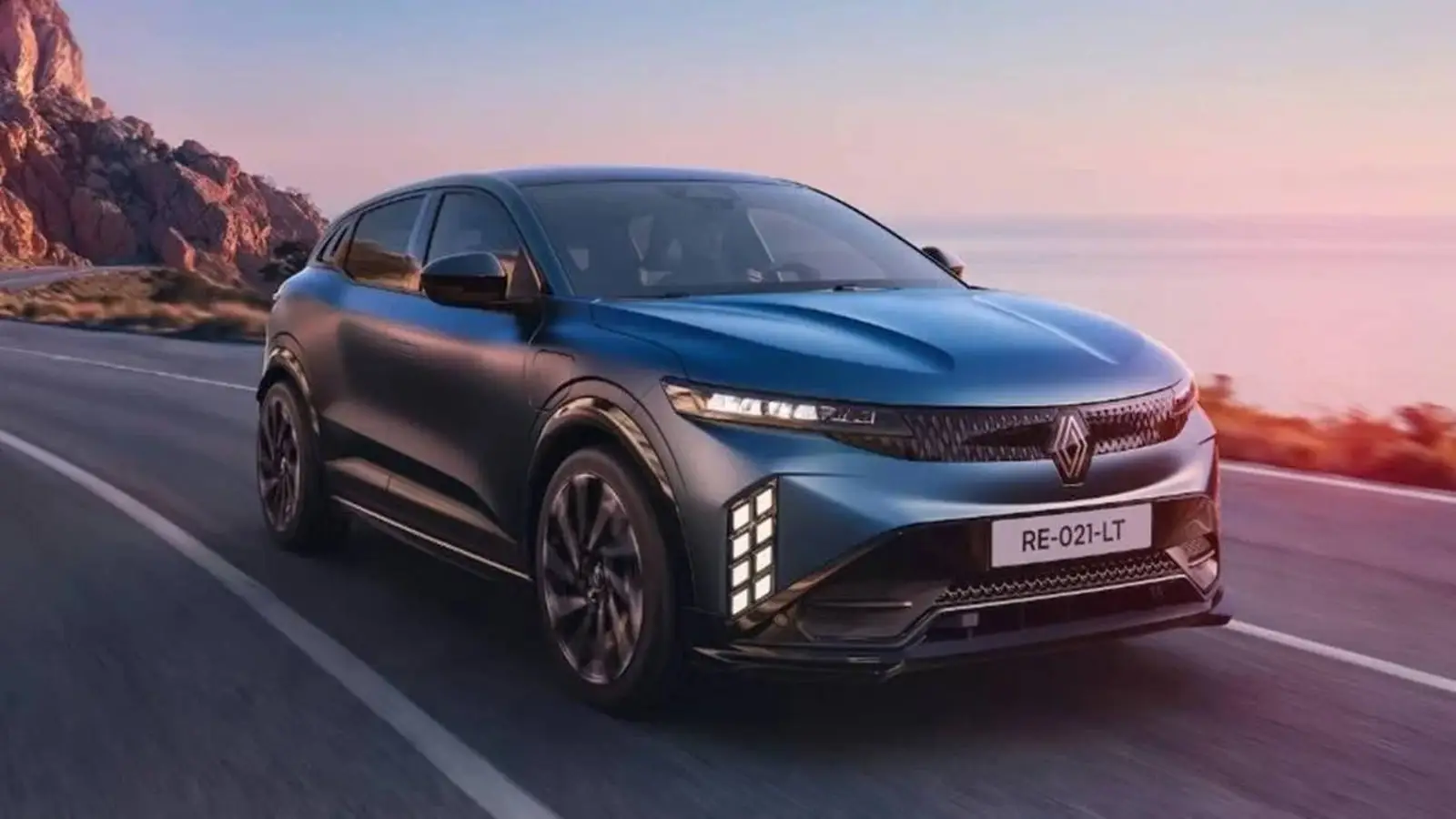
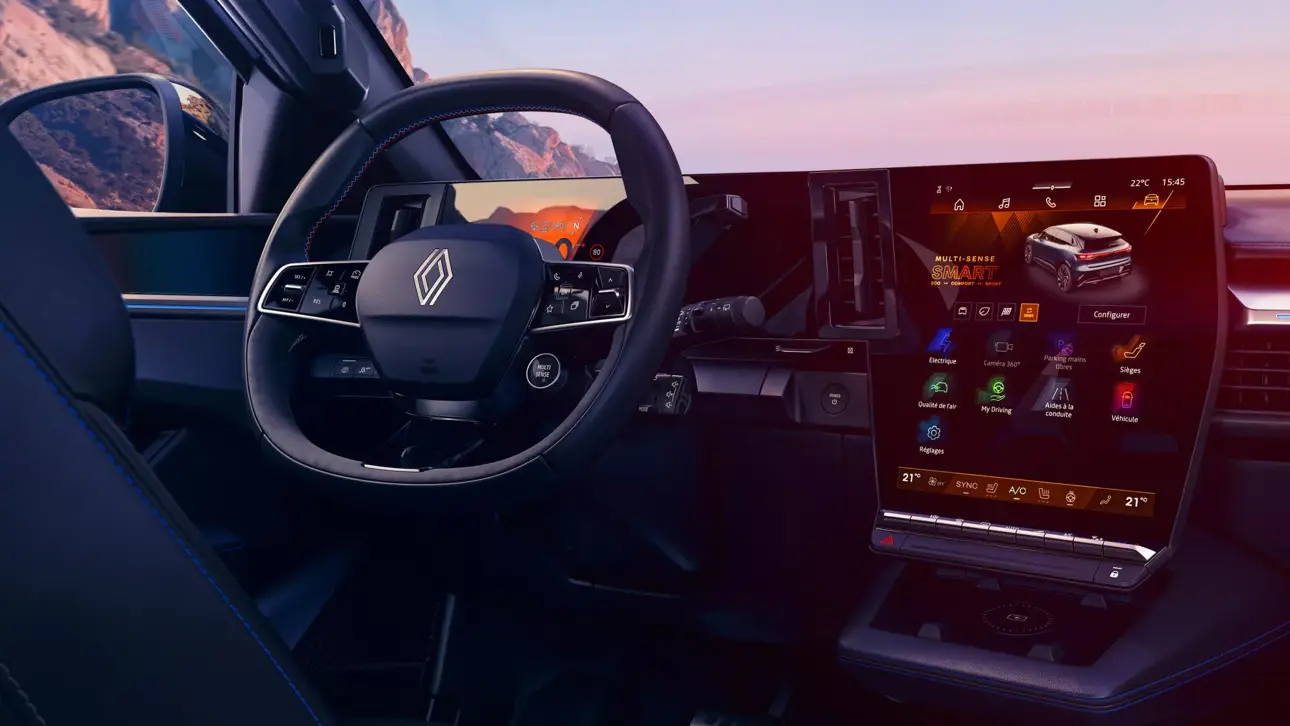
Visually, the Megane E-Tech 2026 has changed only moderately: up front there’s a more compact Renault badge and a new light signature built around diamond motifs. Inside, the 12-inch digital instrument cluster and the 12-inch central OpenR screen with Google services carry over. The Techno trim now includes adaptive cruise control, a rear-view camera, a heat pump, dual-zone climate control, wireless charging, a heated steering wheel and 19-inch wheels. Esprit Alpine adds 20-inch wheels, electrically adjustable and heated front seats, a Harman Kardon audio system and a 360-degree camera.
The big change is a new 67 kWh LFP battery in place of the old 60 kWh NMC pack. The motor is unchanged at 220 hp, but WLTP range has grown from 468 to 501 km. DC fast charging climbs from 130 to 165 kW: a 15 to 80% top-up takes about 24 minutes. Standard kit now includes an 11 kW bidirectional charger with V2L and V2G, while 22 kW AC remains an option.
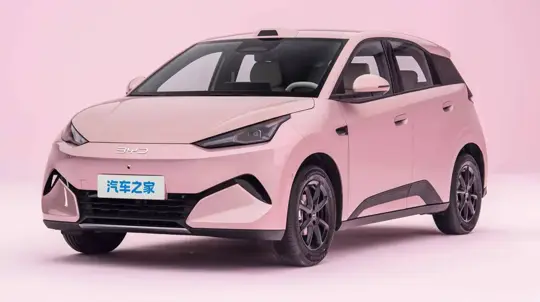
The competitive field is unforgiving. The Volkswagen ID.3 with a 59 kWh battery and 432 km of WLTP range starts at €40,345 in Spain, the Peugeot e-308 with 55 kWh and 450 km from €37,040, the BYD Dolphin with a 60.5 kWh LFP battery and 427 km from €36,990, and the MG4 Premium with 64 kWh and 450 km from €38,190. Against them the Megane scores with a 440-litre boot and European build, yet it doesn’t come out as the cheapest choice.
Renault’s logic here is telling: European EVs are having to get cheaper not after a flop, but simply to survive alongside their Chinese rivals.
This English edition was prepared using AI translation under editorial oversight by SpeedMe. The original reporting is by Dmitry Novikov
Latest Stories